Are There Any Deadly Leccinum Mushrooms?

Nathan Cole
Mycologist · Author · Fungi Expert
Updated
Apr 5, 2026
There are no confirmed deadly species in the genus Leccinum. However, that does not automatically make them safe. Several Leccinum mushrooms have been linked to gastrointestinal poisoning, especially when undercooked, eaten in large amounts, or misidentified. For foragers, the real risk is not fatal toxicity—but false confidence, lookalikes, and preparation mistakes.
What Is Leccinum? (Understanding the Genus)
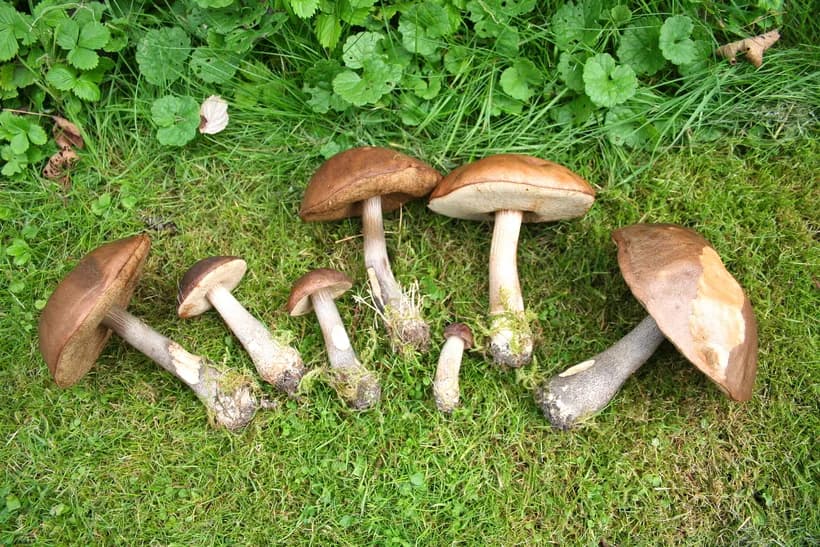
Leccinum is a genus of bolete mushrooms in the family Boletaceae, commonly referred to as scaber-stalk boletes. These fungi are widely distributed across Europe, North America, and parts of Asia, typically forming symbiotic relationships (mycorrhiza) with trees like birch, oak, and aspen.
Unlike gilled mushrooms, Leccinum species belong to a group where the underside of the cap consists of tiny pores (tubes) instead of gills. This alone places them in a different identification category than many deadly mushrooms. For anyone learning mushroom identification, understanding this structural difference is the first critical step.
- Cap (pileus)Brown, orange, reddish, or tan — often smooth or slightly velvety
- UndersideSponge-like pores instead of gills
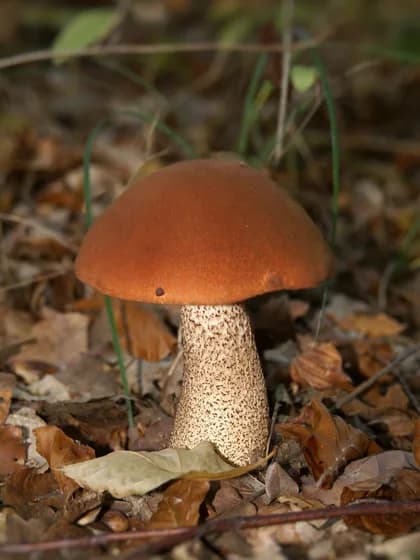
- Stem (stipe)Covered in rough, dark scabers (tiny dot-like scales)
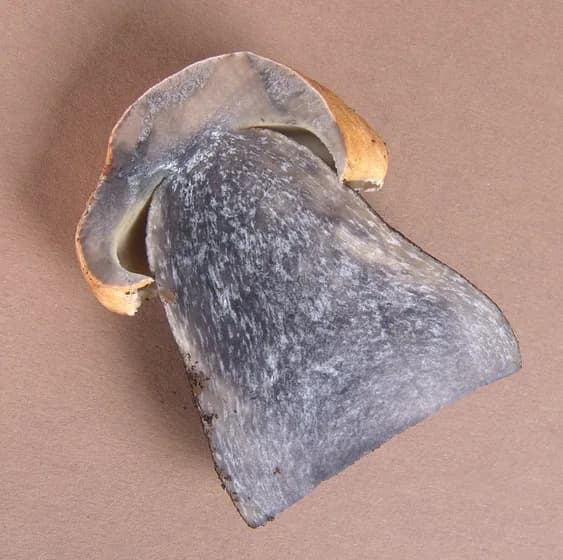
- Flesh reactionMay bruise or change color when cut
- Spore printOlive-brown
- HabitatFound near host trees (birch, oak, aspen)
Are Any Leccinum Mushrooms Deadly?
⚠️ No Confirmed Fatal Species
There are no scientifically verified fatal poisonings directly caused by Leccinum species. This separates them clearly from highly toxic genera like Amanita phalloides, which contains some of the most dangerous mushrooms in the world. From a research and mycology standpoint, Leccinum is generally categorized as:
- Non-lethal genus
- Conditionally edible or cautionary
- Variable in human tolerance
🚨 But "Non-Deadly" Doesn't Mean Safe
Even though they are not deadly, several Leccinum species have caused food poisoning incidents, particularly in Europe and North America.
🤢 Reported Symptoms Include:
- Nausea and vomiting
- Abdominal cramps
- Diarrhea
- Digestive discomfort
Why Do Some Leccinum Mushrooms Cause Illness?
🍳 Improper Cooking Is the Biggest Risk
One of the most important findings across field reports and mycological guides is that Leccinum mushrooms must be fully cooked before consumption. Raw or undercooked specimens may contain:
- Heat-sensitive toxins
- Compounds that irritate the digestive system
🧬 Species-Level Differences Matter
The genus Leccinum includes multiple species, and not all behave the same way. Common examples:
Leccinum scabrum
Birch Bolete — widely eaten in Europe
Leccinum aurantiacum
Orange Birch Bolete — edible with caution
Leccinum versipelle
Orange Oak Bolete — occasional poisoning reported
⚠️ Misidentification & Lookalike Risk
While Leccinum itself is not deadly, incorrect identification can still lead to serious danger. For example:
- Confusing a bolete with a toxic non-bolete species
- Ignoring subtle differences in pore color or bruising
- Overlooking environmental clues (tree association, habitat)
Leccinum vs Deadly Mushrooms (Clear Comparison)
| Feature | Leccinum | Deadly Mushrooms (e.g. Amanita) |
|---|---|---|
| Underside | Pores (tube layer) | Gills |
| Stem | Scabers (rough dots) | Smooth or ring/volva |
| Toxicity | Non-lethal, may cause GI upset | Can be fatal |
| Example | Leccinum scabrum | Amanita phalloides |
Are Leccinum Mushrooms Edible?
✅ Conditionally Edible
Some Leccinum species are consumed in different regions, especially Leccinum scabrum and Leccinum aurantiacum. They are often included in traditional foraging practices across Europe and North America.
⚠️ Practical Safety Guidelines
- Always cook thoroughly — no raw consumption
- Avoid large portions initially
- Test tolerance with small amounts
- Avoid mixing multiple unknown species
- Do not consume if identification is uncertain
How to Safely Identify Leccinum
🔎 Identification Checklist
To improve accuracy, confirm multiple features:
🧠 Expert-Level Advice
- Never rely on a single photo match
- Compare multiple field guides
- Observe the entire environment, not just the mushroom
- Avoid identifying young or damaged specimens
What Experts Say About Leccinum
Mycologists and field guides often describe Leccinum as:
People Also Ask
❓Can Leccinum kill you?
❓Are all boletes safe to eat?
❓Why do some people react differently to Leccinum?
- Individual digestion
- Cooking methods
- Species variation
❓Is Leccinum safe for beginners?
Final Verdict
Sign in to leave a comment and join the discussion.