Amanita phalloides (Death Cap): Identification, Features, Habitat & Safety Guide

Nathan Cole
Mycologist · Author · Fungi Expert
Updated
Mar 31, 2026
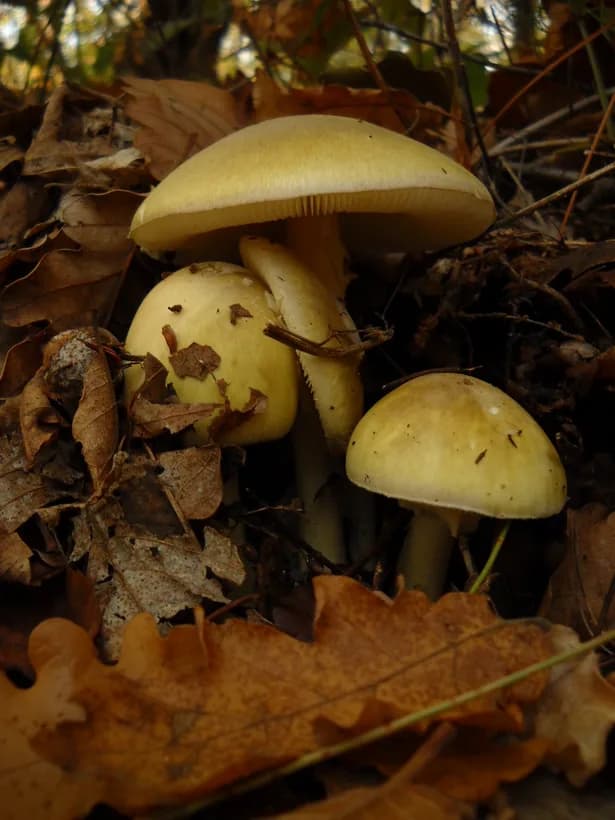
Amanita phalloides, commonly known as the Death Cap, is one of the most dangerous toxic mushrooms in the world. It is responsible for the majority of fatal mushroom poisonings due to its highly potent toxins. Because it closely resembles edible mushrooms such as Agaricus campestris (field mushroom) and Agaricus arvensis (horse mushroom), accurate death cap identification requires careful examination of all mushroom parts.
Quick Identification Summary
Family and Species
| Kingdom | Fungi |
| Division | Basidiomycota |
| Class | Agaricomycetes |
| Order | Agaricales |
| Family | Amanitaceae |
| Genus | Amanita |
| Species | Amanita phalloides |
The Death Cap belongs to the Amanitaceae family, which includes several of the most toxic mushroom species such as Amanita bisporigera (Destroying Angel) and Amanita virosa. Members of this genus are often identified by the combination of white gills, a ring, and a volva, making them especially important in mycology and mushroom safety.
Dimensions
The Death Cap is a medium to large mushroom, often appearing elegant but deceptively simple. Its proportions are similar to many edible species, which increases the risk of misidentification.
Key Features (Identification Characteristics)
Cap (Pileus)
- Shape: Convex when young, flattening at maturity
- Color: Greenish, olive, yellow-green, sometimes pale
- Surface: Smooth, slightly sticky when wet
Cap color can vary, making it unreliable as a standalone feature.
Gills (Lamellae)
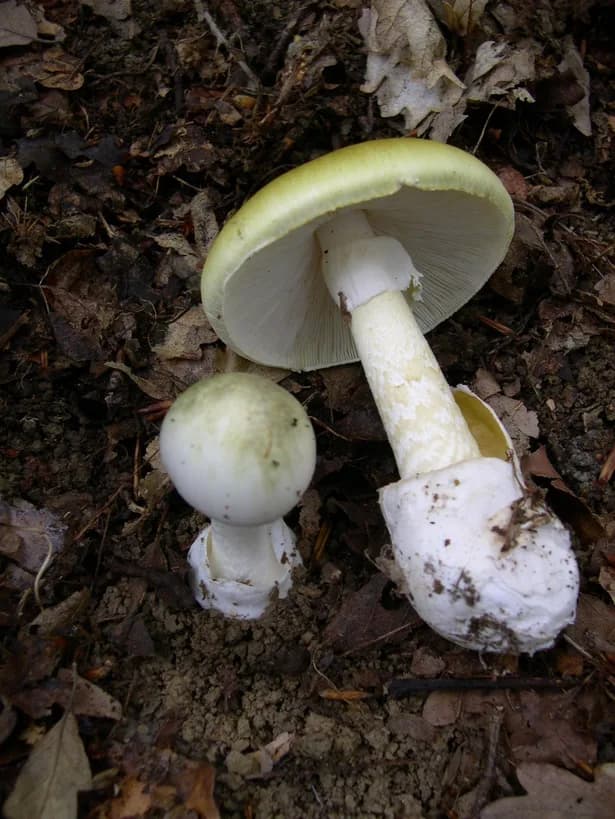
- Color: Pure white
- Attachment: Free gills
- Density: Crowded
White gills are a critical warning sign when combined with other features.
Stem (Stipe)
- Color: White
- Structure: Smooth, slender
- Base: Bulbous and enclosed in a volva
Ring (Annulus)
- Present on the upper stem
- Thin, skirt-like
- May become fragile with age
Volva (Basal Cup)
- Large, cup-like structure at base
- Often partially buried underground
- One of the most important identification features
Color, Smell, and Taste
Color
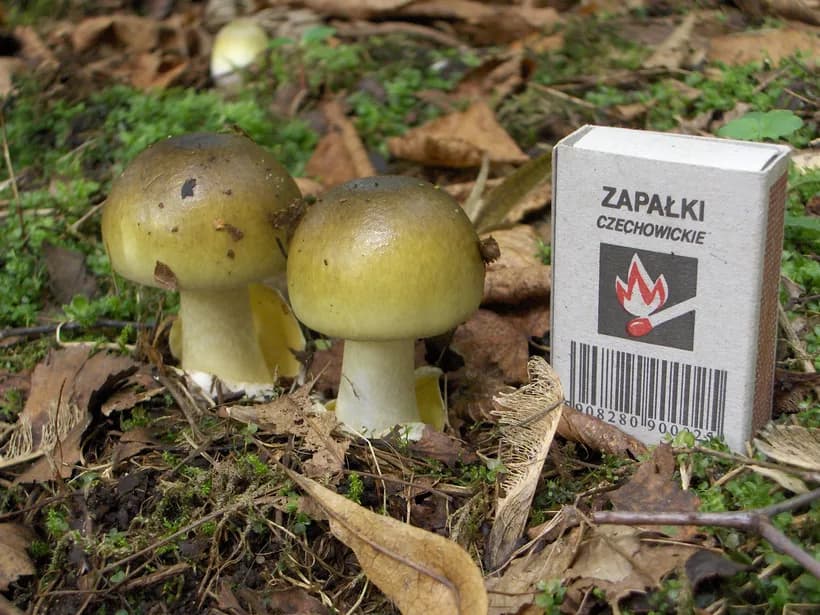
- Cap: Greenish to pale yellow
- Gills: Pure white
- Stem: White
Smell
- Mild when young
- Slightly sweet or unpleasant in older specimens
Taste
- Not distinctive
- ⚠️ Tasting is dangerous — not recommended
Growth Pattern and Seasonality
Growth Pattern
- Typically grows single or scattered
- Occasionally in small groups
Seasonality
- Late summer to autumn
- Appears after rain
Habitat, Environment & Distribution
Habitat
- Woodland areas
- Near hardwood trees
Environment
- Moist soil
- Shaded forest areas
Tree Association
- Oak
- Beech
- Birch
- Chestnut
The Death Cap forms mycorrhizal relationships with trees.
Geographic Distribution
- Native to Europe
- Widespread in North America
- Found in parts of Asia and Australia
It has spread globally due to human activity.
Edibility, Safety & Risk Level
Toxicity
Contains amatoxins, which:
- Destroy liver and kidney cells
- Cause delayed symptoms (6–24 hours after ingestion)
- Often lead to fatal poisoning even in small amounts
Symptoms (Important for Awareness)
- Delayed onset: 6–24 hours after ingestion
- Severe vomiting and diarrhea
- Liver and kidney failure
Similar Species (Look-Alikes Comparison)
| Feature | Death Cap (Amanita phalloides) | Edible Look-Alike |
|---|---|---|
| Gills | White | Often pink or brown |
| Volva | Present | Usually absent |
| Ring | Present | May vary |
| Smell | Mild | Often pleasant |
| Risk | Deadly ☠️ | Safe ✓ |
Common Confusions
The Death Cap is frequently mistaken for safe species. For a detailed side-by-side guide, see our death cap vs destroying angel comparison.
- Young Agaricus species
- Puffballs (when immature)
- Some edible field mushrooms
Benefits and Value
Scientific Importance
- Widely studied in toxicology and medicine
- Helps researchers understand liver toxicity mechanisms
- Important in mycology education and safety awareness
Pros and Cons
Pros
- ✓ Scientifically valuable
- ✓ Important for ecosystem balance
- ✓ Educational importance in mycology
Cons
- ✗ Highly toxic — potentially fatal
- ✗ Easy to misidentify with edible species
- ✗ Responsible for most mushroom-related deaths worldwide
How Our Mushroom Identifier Helps Identify Death Cap
Our AI mushroom species checker uses computer vision to analyze:
By combining these features, the system helps distinguish Death Cap from edible look-alikes, reducing risk. However, AI results should always be verified by an expert before any consumption decision.
Frequently Asked Questions
How to identify a Death Cap mushroom?+
Why is Amanita phalloides so dangerous?+
Where does Death Cap grow?+
Can AI identify Death Cap?+
What should I do if I suspect poisoning?+
Final Thoughts
The Death Cap (Amanita phalloides) is one of the most dangerous mushrooms on Earth. Its resemblance to edible species makes it especially risky for beginners. Understanding its cap, gills, stem, ring, and volva, along with habitat and seasonality, is critical for safe identification.
Using a wild mushroom identification tool can help analyze features, but it should always be combined with expert knowledge. When it comes to wild mushrooms — if in doubt, do not touch or consume.
 GeneralYard Guide
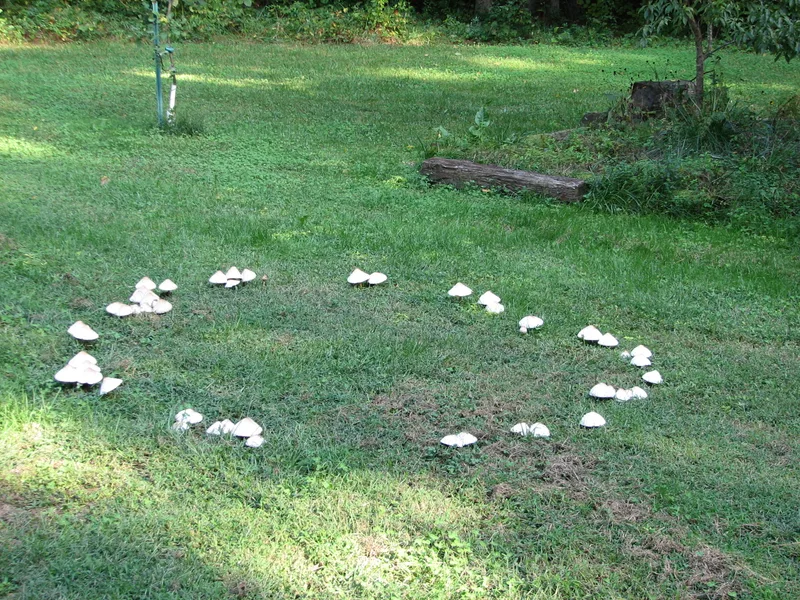
Mushrooms grow in your yard because underground fungi (mycelium) are actively breaking down organic matter in moist, shaded soil.
 GeneralLawn Guide
Remove lawn mushrooms fast by fixing moisture, drainage, and organic matter. Full step-by-step guide to stop mushrooms coming back.
 GeneralGuide
A mushroom identifier book helps you recognize fungi by cap shape, gills, habitat, season and spore print. Find the best field guide for your skill level.
Sign in to leave a comment and join the discussion.