How Do I Get Rid of Mushrooms in My Grass? (Complete Lawn Guide)

Nathan Cole
Mycologist · Author · Fungi Expert
Updated
Apr 4, 2026
Mushrooms in grass are caused by underground fungal networks called mycelium, which thrive in moist soil rich in organic matter. If you are wondering why mushrooms are growing in your yard, the answer starts underground. To get rid of them effectively, you need to remove visible mushrooms, reduce moisture, improve soil drainage, and eliminate decaying material like roots and thatch. Simply removing mushrooms is not enough—long-term control comes from changing the lawn conditions that allow fungi to grow.
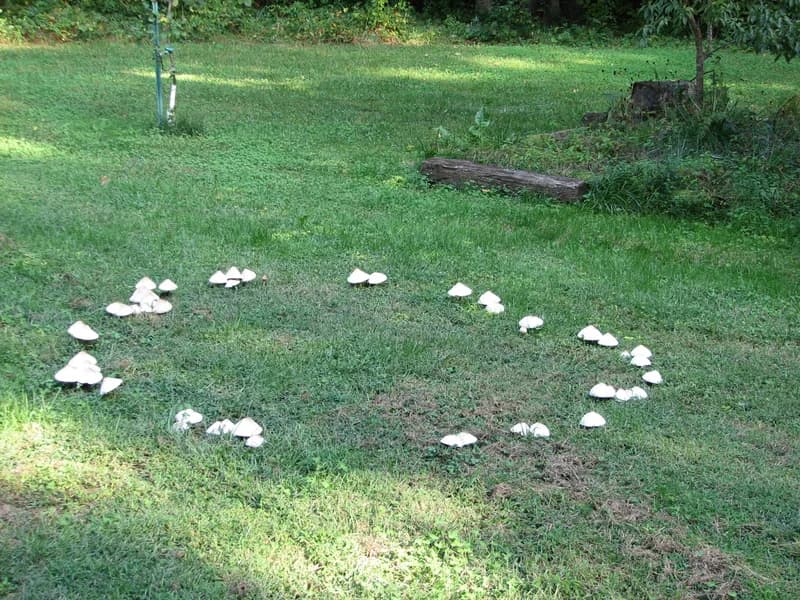
Why Mushrooms Grow in Grass
Mushrooms are the visible fruiting bodies of fungi, formed when underground mycelium finds ideal conditions such as moisture, shade, and organic nutrients. Learning to identify mushroom parts can help you determine what species is growing in your lawn. Common lawn fungi break down dead roots, wood fragments, and organic debris, which is why they often appear after rain or heavy watering.
🌱 Excess Moisture & Poor Drainage
Excess water creates the perfect environment for fungal growth, allowing mycelium to expand and produce mushrooms rapidly. Lawns that stay damp for long periods—especially after rain—encourage fungal fruiting cycles.
Key factors:
- Overwatering or frequent irrigation
- Poor soil drainage or compacted soil
- Low-lying areas where water collects
- Watering at night (reduces evaporation)
- Clay-heavy soil holding moisture
Moisture control is the #1 factor in stopping mushrooms.
🌿 Decaying Organic Matter (Fungal Food Source)
Fungi feed on organic matter decomposition, meaning mushrooms often grow where nutrients are available from buried materials.
Common sources:
- Dead tree roots and stumps
- Buried wood or construction debris
- Thick thatch layer (dead grass)
- Fallen leaves and mulch buildup
- Old compost or organic-rich soil
Removing these reduces the food supply for fungi.
🌳 Shade, Poor Airflow & Low Sunlight
Shaded lawns create a cool, damp microclimate, which supports fungal growth and slows evaporation.
Contributing factors:
- Dense tree canopy
- Overgrown shrubs and hedges
- Limited sunlight exposure
- Poor air circulation
Sunlight helps dry soil and disrupt fungal growth cycles.
Step-by-Step: How to Remove Mushrooms from Lawn
To eliminate mushrooms effectively, you need both immediate removal and long-term lawn correction.
✂️ Remove Mushrooms Before Spore Release
Mushrooms reproduce through spores, which spread easily across your lawn if left untreated.
Best practices:
- Pick mushrooms by hand (remove cap + stem)
- Use gloves to avoid contact with unknown species
- Dispose in sealed bags (not compost)
- Remove early before spores release
This prevents further spread of fungi.
💧 Adjust Watering Habits
Controlling water is essential because fungi depend on moisture for growth.
What to do:
- Water deeply but less frequently
- Allow soil to dry between watering
- Water early morning (not evening)
- Monitor rainfall before watering
Balanced watering disrupts fungal lifecycle conditions.
🌬️ Improve Soil Aeration & Drainage
Compacted soil traps moisture and limits oxygen, which encourages fungal activity.
Solutions:
- Core aeration (improves oxygen flow)
- Add sand or organic amendments
- Break up compacted soil layers
- Level uneven ground
Aeration reduces moisture retention and improves soil health.
🍂 Remove Thatch & Organic Debris
Thatch acts as both a moisture trap and food source for fungi.
Removal methods:
- Dethatching with rake or machine
- Regular leaf cleanup
- Removing old roots and wood
- Reducing organic buildup
Less organic matter = less fungal growth.
☀️ Increase Sunlight & Airflow
Improving environmental conditions makes your lawn less suitable for fungi.
How to improve:
- Trim tree branches
- Thin dense shrubs
- Increase lawn exposure to sunlight
- Improve airflow across lawn
Dry, sunny lawns are unfavorable for mushrooms.
Should You Use Fungicide?
Fungicides target fungi but often fail to eliminate mycelium in soil, making them a short-term solution.
⚠️ Limitations of Fungicides
Chemical treatments do not address the root cause of mushroom growth.
- Temporary results only
- Mushrooms return if conditions remain
- Can harm beneficial soil microbes
- Expensive for repeated use
Fungicides treat symptoms, not the underlying ecosystem.
✅ When Fungicide May Help
In rare cases, fungicides can be part of lawn management.
- Severe recurring fungal outbreaks
- Professional lawn care treatment plans
- Large commercial landscapes
Always combine with moisture and soil control.
Natural Ways to Prevent Mushrooms
Natural lawn care focuses on creating conditions that fungi do not prefer.
🌿 Improve Soil Balance
Healthy soil reduces fungal dominance.
- Add nitrogen fertilizer (breaks down organic matter faster)
- Maintain balanced soil nutrients
- Avoid excessive compost buildup
Balanced soil reduces fungal food availability.
🌾 Maintain Lawn Health
A strong lawn resists fungal overgrowth.
- Regular mowing (not too short)
- Proper fertilization
- Overseeding weak areas
- Soil testing for balance
Healthy grass competes with fungi.
Quick Fix vs Long-Term Solution
Are Lawn Mushrooms Dangerous?
Most lawn mushrooms are harmless, but some can be toxic or deadly.
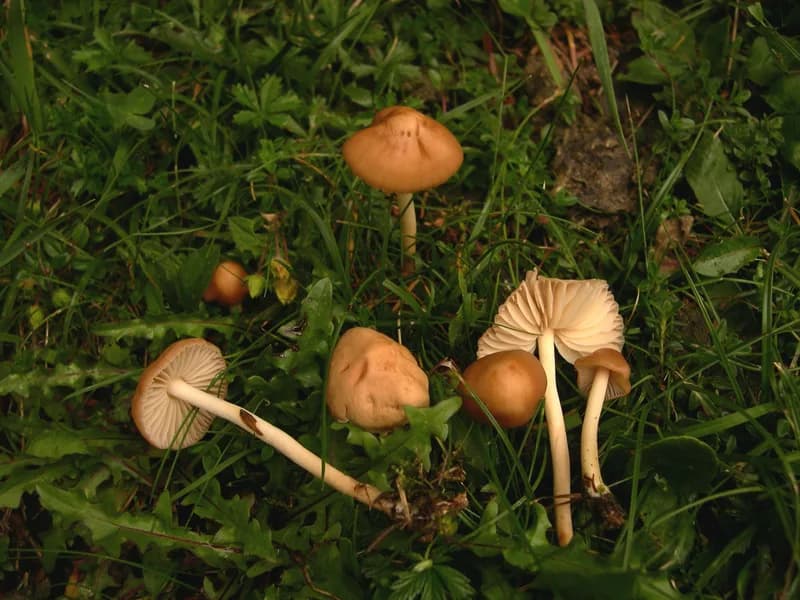
Toxic Mushroom Risk
Some species growing in lawns may belong to dangerous groups such as:
- • Amanita phalloides (Death Cap)
- • Chlorophyllum molybdites — the most common toxic lawn mushroom in North America
- • Scleroderma citrinum (Common Earthball) — a toxic puffball-like species found in gardens
- • Other toxic fungi with similar appearance to edible species like Agaricus campestris (Field Mushroom)
Never consume wild mushrooms without proper identification by an expert.
💡 Need to identify a lawn mushroom quickly? Try our wild mushroom identifier — upload a photo and receive an AI species match with safety warnings in seconds.
People Also Ask
❓ Why do mushrooms keep coming back in my lawn?
Because the mycelium remains underground, and if moisture and organic matter are present, mushrooms will regrow. You need to remove the food source and fix drainage to stop them permanently.
❓ Does vinegar kill mushrooms in grass?
Vinegar can kill visible mushrooms but may damage grass and does not eliminate underground fungi. It is a short-term fix that does not address the root cause.
❓ Are mushrooms a sign of healthy soil?
Yes, they indicate active decomposition and nutrient cycling, but excessive growth suggests moisture imbalance or too much organic matter in the soil.
❓ Can I mow over mushrooms?
Yes, but mowing can spread spores across your lawn. It is better to remove mushrooms by hand before mowing to prevent further spread.
 GeneralYard Guide
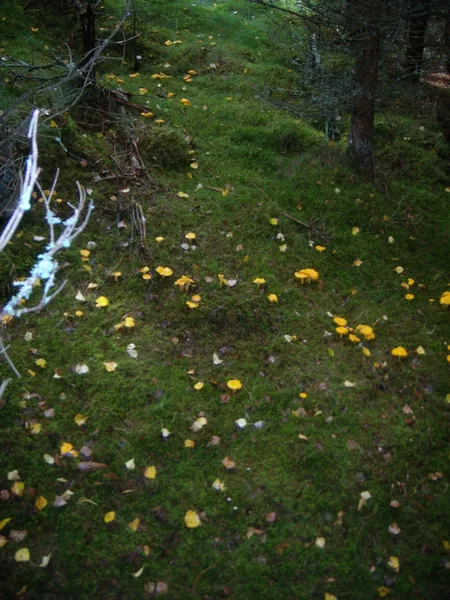
Mushrooms grow in your yard because underground fungi (mycelium) are actively breaking down organic matter in moist, shaded soil.
 GeneralGuide
A mushroom identifier book helps you recognize fungi by cap shape, gills, habitat, season and spore print. Find the best field guide for your skill level.
 DeadlySafety
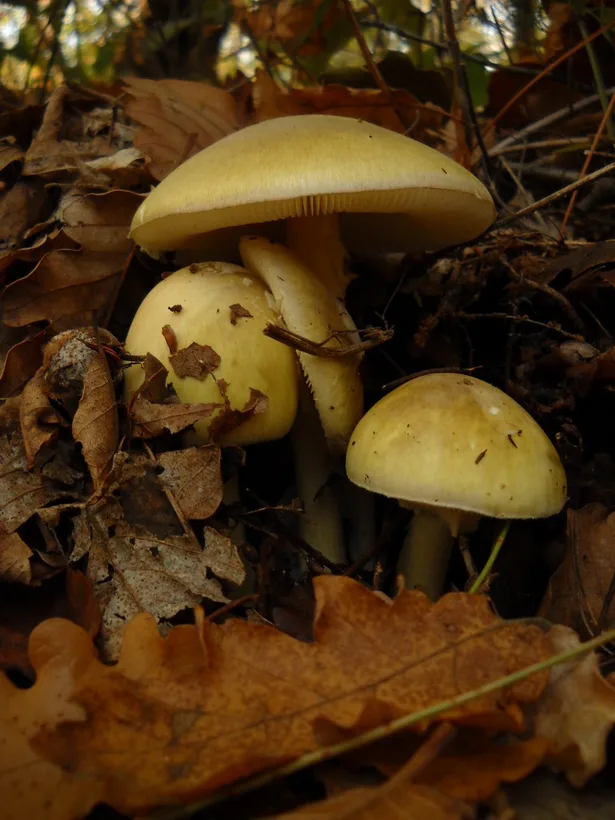
Learn death cap identification by cap color, white gills, ring, volva, and habitat. One of the world's most dangerous toxic mushrooms.
Sign in to leave a comment and join the discussion.