Why Are Mushrooms Growing in My Yard? (Expert Investigation Guide)

Nathan Cole
Mycologist · Author · Fungi Expert
Updated
Apr 4, 2026
Mushrooms grow in your yard because underground fungi (mycelium) are actively breaking down organic matter in moist, shaded soil. When conditions like high moisture, decaying roots, and low sunlight are present, fungi produce visible mushrooms (fruiting bodies). They are not random—they're a sign your soil ecosystem is active, but sometimes unbalanced. If you want to take action, see our companion guide on how to get rid of mushrooms in grass.
What Mushrooms in Your Yard Actually Mean
From a research perspective, mushrooms are not the problem—they are the result of fungal activity beneath the surface. The real organism is the mycelium, a network of microscopic threads (hyphae) that live in soil and feed on organic material like dead roots, wood, and compost. Understanding mushroom anatomy and parts can help you identify what is growing.
When environmental conditions align, this mycelium produces mushrooms to release spores, which help fungi reproduce and spread.
In simple terms:
Mushrooms = visible signal of underground biological activity
Main Reasons Mushrooms Are Growing in Your Yard
🌧️ Excess Moisture and Water Retention
Mushrooms thrive in wet environments, and moisture is the primary trigger for fungal growth.
Common causes:
- Overwatering lawns or gardens
- Heavy rainfall or poor drainage
- Compacted soil trapping water
- Watering at night (low evaporation)
- Low-lying areas holding moisture
Moist soil allows mycelium to grow and produce mushrooms rapidly.
🌿 Decaying Organic Matter (Fungi Food Source)
Fungi are natural decomposers. They break down organic materials in your yard. Common edible species like Agaricus campestris (Field Mushroom) grow in grassy areas, while wood-decomposing species like Pleurotus ostreatus (Oyster Mushroom) appear near stumps and dead trees.
Typical sources:
- Buried tree roots or old stumps
- Dead grass (thatch layer)
- Fallen leaves and mulch
- Wood chips or compost
- Construction debris underground
The more organic material present, the more food fungi have.
🌳 Shade, Low Sunlight & Poor Airflow
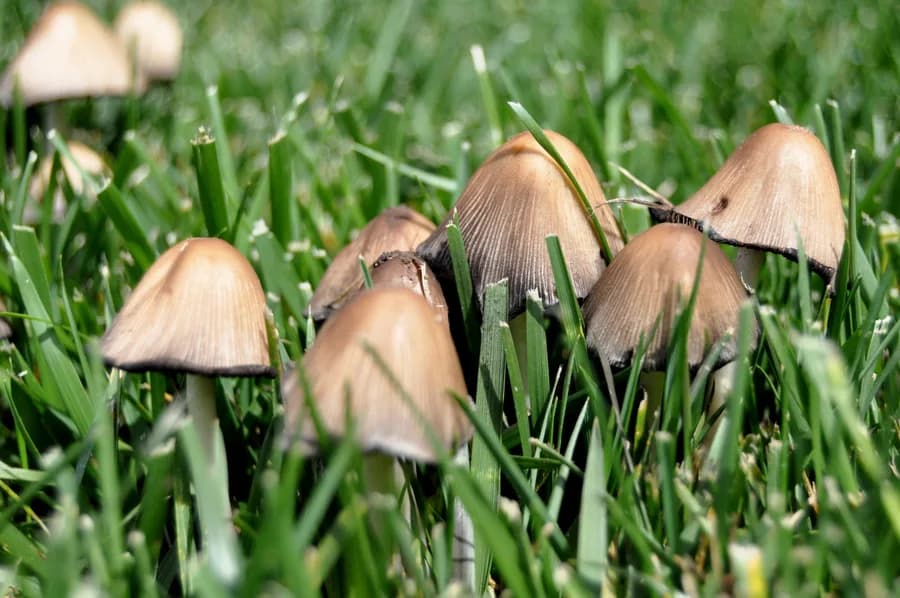
Shaded areas create a cool, damp microclimate, ideal for fungal growth.
Key factors:
- Dense trees blocking sunlight
- Overgrown shrubs
- Poor airflow across lawn
- Constant shade during the day
Sunlight naturally dries soil and limits fungal activity.
🧱 Soil Conditions & Ecosystem Imbalance
Mushrooms often indicate soil conditions that favor fungi over grass.
Contributing factors:
- Nutrient imbalance in soil
- High organic content
- Poor soil structure
- Lack of aeration
Fungi are part of a natural soil ecosystem, not always harmful.
Are Mushrooms in Your Yard Dangerous?
Most lawn mushrooms are harmless, but some can be toxic.
Known dangerous species found in yards:
- • Amanita phalloides (Death Cap)
- • Chlorophyllum molybdites — the most common cause of lawn mushroom poisoning
- • Other lookalike toxic fungi
Never eat mushrooms from your yard unless properly identified.
💡 Not sure what species appeared in your yard? Use our free mushroom identifier app — upload a photo for instant AI-powered species analysis and toxicity warnings.
Should You Be Worried About Lawn Mushrooms?
✅ Usually Harmless
- ✓Do not damage grass
- ✓Help break down organic matter
- ✓Improve nutrient cycling
⚠️ When to Take Action
- ✓Frequent mushroom outbreaks
- ✓Unsafe for kids or pets
- ✓Aesthetic concerns
- ✓Signs of excessive moisture
Mushrooms are more of a symptom than a problem.
How to Identify the Root Cause (Quick Checklist)
Scientific Insight: The Role of Mycelium
From a biological perspective, fungi play a critical role in ecosystems.
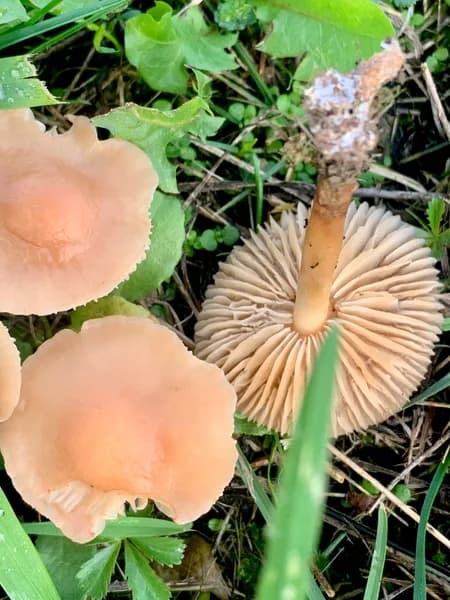
- Mycelium breaks down organic matter into nutrients
- Helps recycle carbon and nitrogen
- Supports soil structure and plant health
- Connects plant roots in some ecosystems
Removing mushrooms does not remove fungi — the mycelium remains underground.
People Also Ask
❓ Why do mushrooms suddenly appear overnight?
Because mushrooms grow quickly when moisture, temperature, and nutrients align, often after rain.
❓ Are mushrooms a sign of healthy soil?
Yes, they often indicate active decomposition and microbial life, but too many suggest excess moisture or organic buildup.
❓ Can mushrooms spread across my lawn?
Yes, through spores and underground mycelium networks.
❓ Do mushrooms damage grass?
No, they do not harm grass directly, but they indicate conditions that may affect lawn health.
Final Insight (Research Perspective)
Mushrooms in your yard are not random—they are a biological signal of moisture, organic matter, and fungal activity. Instead of trying to eliminate them completely, focus on adjusting soil conditions, improving drainage, and reducing organic buildup.
👉 Control the environment, and mushrooms will naturally decline.
If you find an unknown mushroom species in your yard and want to know whether it is safe, use our mushroom identifier by picture — upload a photo from multiple angles and get an instant AI analysis with toxicity warnings.
 GeneralLawn Guide
Remove lawn mushrooms fast by fixing moisture, drainage, and organic matter. Full step-by-step guide to stop mushrooms coming back.
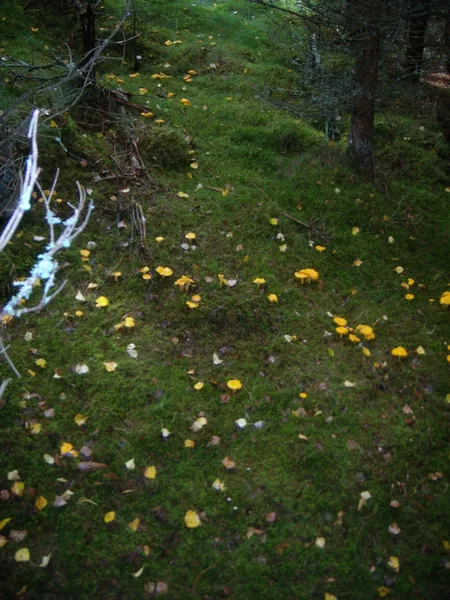 GeneralGuide
A mushroom identifier book helps you recognize fungi by cap shape, gills, habitat, season and spore print. Find the best field guide for your skill level.
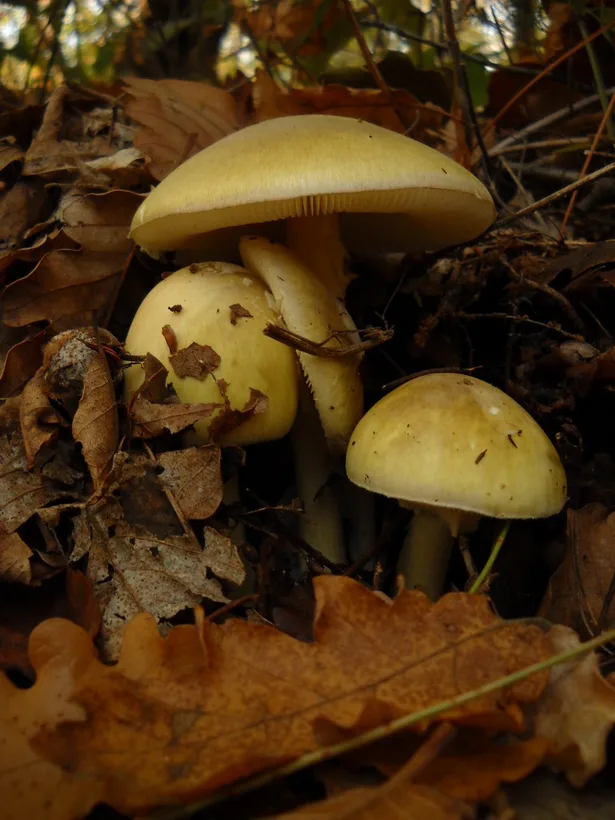 DeadlySafety
Learn death cap identification by cap color, white gills, ring, volva, and habitat. One of the world's most dangerous toxic mushrooms.
Sign in to leave a comment and join the discussion.