Safety Disclaimer

Nathan Cole
Mycologist · Author · Fungi Expert
Updated
Jun 28, 2026
Important: Mushroom Identification Can Be Dangerous
Mushroom identification is a complex scientific process. Many species appear visually similar, including edible mushrooms and highly toxic lookalikes.
Even experienced foragers and trained mycologists rely on multiple identification methods, not just visual inspection.
Some species—such as Amanita phalloides—are responsible for the majority of fatal mushroom poisonings worldwide and can be easily misidentified without careful examination.
AI Identification Is Not 100% Accurate
This platform uses artificial intelligence to assist with mushroom identification based on visible features such as:
- Cap shape and texture
- Gill or pore structure
- Stem characteristics (including ring or volva)
- Habitat and environmental context
However:
- AI results are based on image analysis, not physical inspection
- Missing or unclear features can lead to incorrect matches
- Many species share similar visual traits
👉 AI identification should be used as a supporting tool only—not a final decision-making source.
Do NOT Consume Mushrooms Based on AI Results
Under no circumstances should you eat a wild mushroom based solely on:
- AI identification
- Online images
- General descriptions
⚠️ Consuming misidentified mushrooms can result in:
- Severe poisoning
- Organ failure
- Permanent injury
- Death
Always Verify with a Qualified Expert
Before consuming any wild mushroom, you should:
- Consult a local mycologist or mushroom expert
- Use regional field guides specific to your location
- Confirm identification using multiple reliable sources
In many regions, local mycology groups or agricultural extensions provide verification services.
Photo Limitations Affect Accuracy
For best results, identification requires:
- Clear, high-quality images
- Multiple angles (cap, underside, stem, base)
- Visible environmental context
Even with ideal images, visual similarity between species can still lead to uncertainty.
Regional Variation Matters
Mushroom species vary by:
- Geographic region
- Climate and season
- Habitat (wood, grassland, forest)
A species found in one region may have different lookalikes or variations in another, which can affect identification accuracy.
High-Risk Species Require Extra Caution
Certain genera—such as Amanita, Galerina, and Cortinarius—contain highly toxic species that closely resemble edible mushrooms.
These should never be identified casually or consumed without expert verification.
Educational Use Only
This platform is intended for:
- Learning mushroom identification
- Exploring fungal diversity
- Supporting observational fieldwork
It is not a substitute for professional advice or field verification.
Emergency Warning
If you suspect mushroom poisoning:
- Seek immediate medical attention
- Contact your local poison control center or emergency services
- Do not wait for symptoms to worsen
Early treatment is critical.
Liability Disclaimer
By using this platform, you acknowledge that:
- All identification results are provided for informational purposes only
- The platform does not guarantee accuracy
- You assume full responsibility for any actions taken based on the information provided
Sign in to leave a comment and join the discussion.
 Species Guide
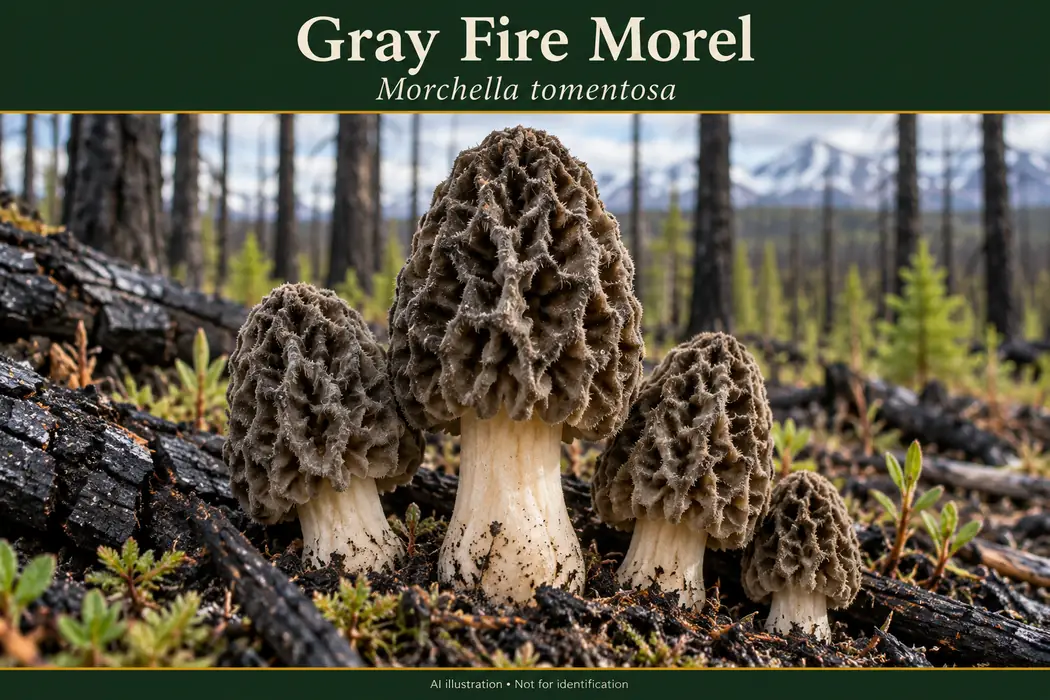
Alaska has many edible mushrooms, including morels, king boletes, golden chanterelles, hedgehogs, oyster mushrooms and bear’s head mushrooms. Most appear...
 Species Guide
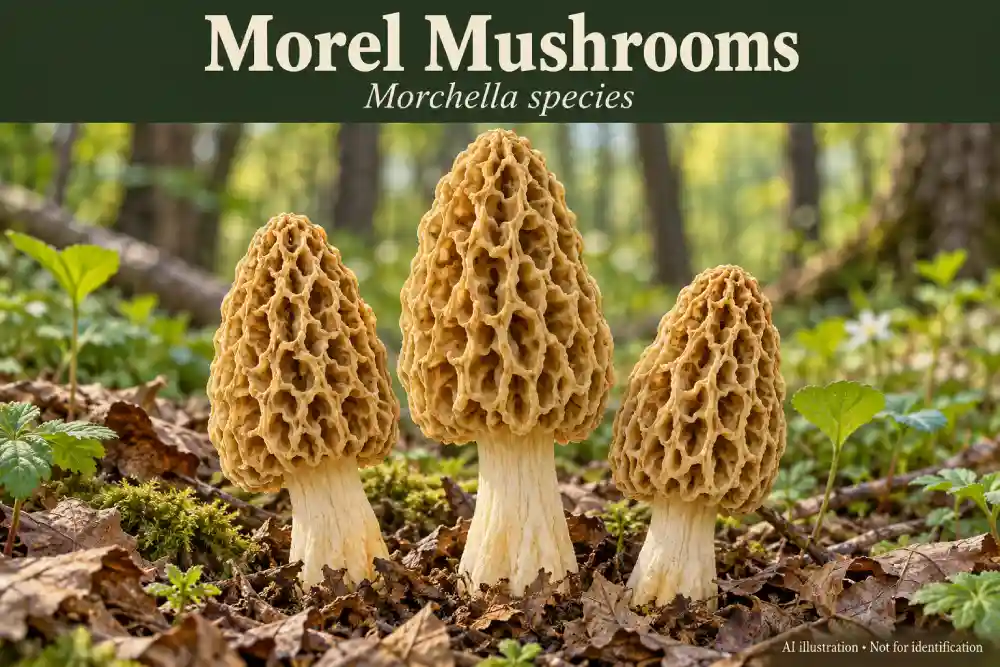
Wisconsin is home to edible mushrooms such as morels, chanterelles, oyster mushrooms, hen of the woods, chicken of the woods and giant puffballs. Different...
 Species Guide
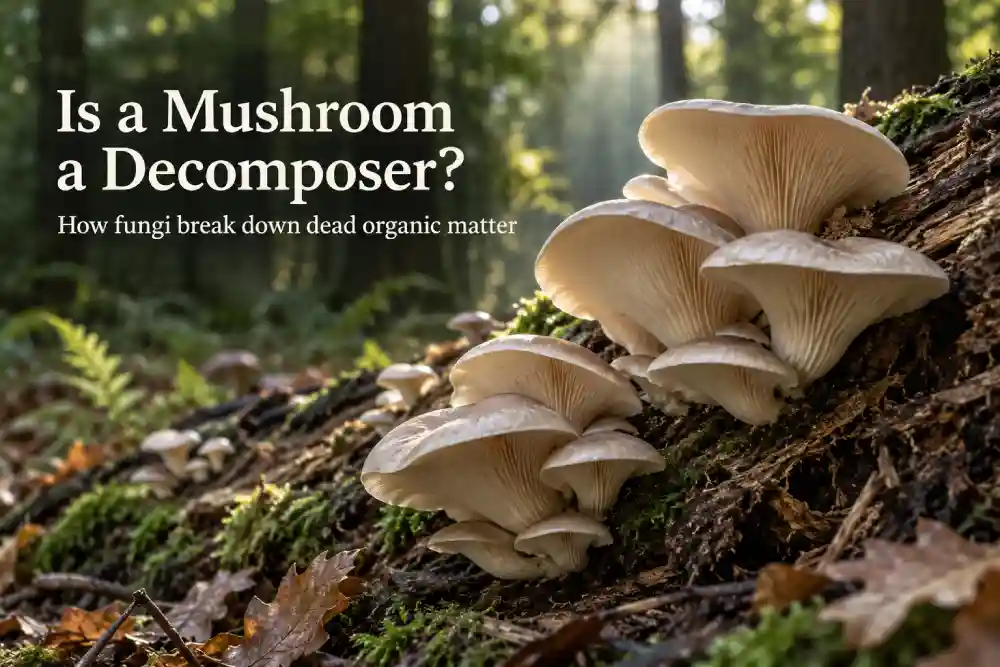
Is a Mushroom a Decomposer? Yes, many mushroom-forming fungi are decomposers. They break down dead wood, fallen leaves and other organic material, helping...