Edible Mushrooms in Maryland: A Complete Guide to Identification, Habitat, and Safe Foraging

Nathan Cole
Mycologist · Author · Fungi Expert
Updated
Aug 22, 2026
Maryland offers excellent opportunities for wild mushroom foraging thanks to its diverse landscapes, ranging from the Appalachian Mountains in the west to the Chesapeake Bay region and Atlantic Coastal Plain. The state's hardwood forests, river valleys, and moist woodland habitats support a wide variety of edible mushrooms, including morels, chanterelles, lion's mane, oyster mushrooms, and hen of the woods.
Understanding proper identification, seasonal patterns, and habitat preferences is essential for safe and successful mushroom hunting throughout Maryland.
What Are the Most Popular Edible Mushrooms in Maryland?
Maryland's forests are home to numerous edible mushroom species that appear throughout the year. Some are highly sought after for their culinary value, while others are popular among beginner mushroom hunters because of their distinctive appearance.
Common Edible Mushroom Species
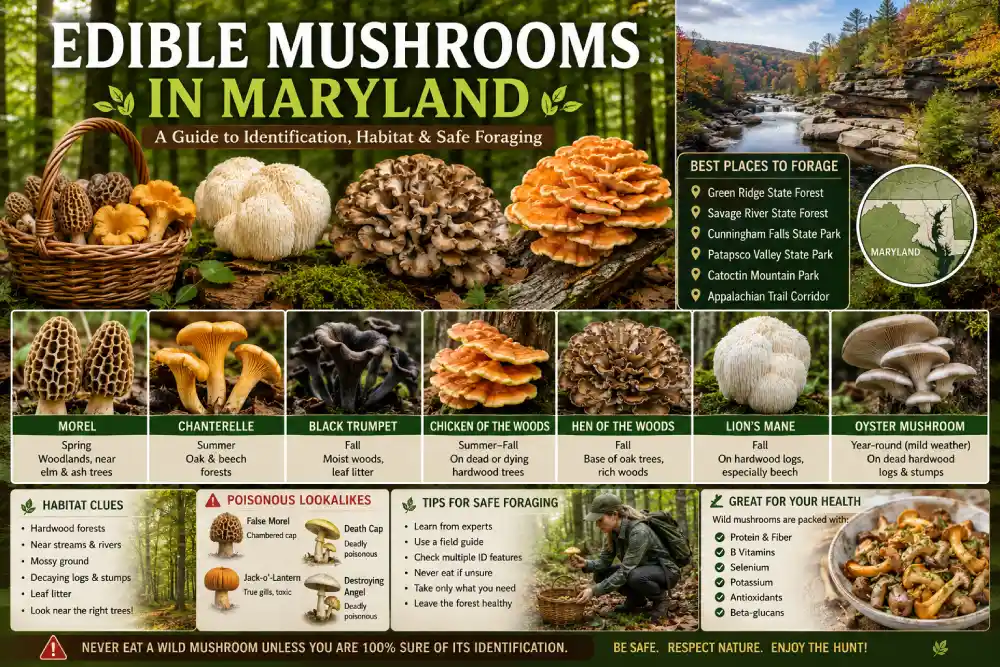
The most popular edible mushrooms found in Maryland include:
- Morel Mushrooms (Morchella spp.)
- Golden Chanterelles (Cantharellus cibarius)
- Black Trumpets (Craterellus fallax)
- Chicken of the Woods (Laetiporus sulphureus)
- Hen of the Woods (Grifola frondosa)
- Lion's Mane (Hericium erinaceus)
- Oyster Mushrooms (Pleurotus ostreatus)
- Giant Puffballs (Calvatia gigantea)
- Hedgehog Mushrooms (Hydnum repandum)
- Dryad's Saddle (Cerioporus squamosus)
These mushrooms grow in different habitats and seasons, making Maryland an attractive destination for foragers throughout much of the year.
Mushroom | Best Season | Habitat | Edibility |
|---|---|---|---|
Morel | Spring | Elm, ash, tulip poplar forests | Excellent |
Chanterelle | Summer | Oak and beech forests | Excellent |
Chicken of the Woods | Summer-Fall | Dead hardwood trees | Excellent |
Hen of the Woods | Fall | Base of mature oak trees | Excellent |
Lion's Mane | Fall | Dead beech and oak logs | Excellent |
Oyster Mushroom | Spring-Winter | Decaying hardwood logs | Excellent |
Why Maryland Is an Excellent State for Mushroom Foraging?
Maryland's varied geography and climate create ideal growing conditions for many species of edible fungi.
Diverse Ecosystems
The state contains several ecological regions, including:
- Appalachian mountain forests
- Piedmont woodlands
- Chesapeake Bay wetlands
- Bottomland hardwood forests
- Coastal plain forests
Each habitat supports different mushroom species and contributes to Maryland's rich fungal biodiversity.
Favorable Climate
Maryland experiences:
- Warm, humid summers
- Consistent rainfall
- Mild spring temperatures
- Moist forest environments
These conditions encourage healthy mycelial growth and seasonal mushroom production.
Forest Biodiversity
The abundance of hardwood trees such as oak, beech, maple, tulip poplar, hickory, and elm creates excellent habitat for both mycorrhizal and saprobic fungi.
Many edible mushrooms depend on these forest ecosystems for survival and reproduction.
How to Identify Edible Mushrooms Safely?
Correct identification is the most important skill for any mushroom hunter.
Never rely on a single characteristic when identifying a wild mushroom.
Examine the Cap
Pay attention to:
- Shape
- Color
- Texture
- Size
- Margin characteristics
For example, morels have a distinctive honeycomb-like cap, while chanterelles typically have wavy, funnel-shaped caps.
Inspect the Stem
Important stem characteristics include:
- Hollow or solid interior
- Thickness
- Surface texture
- Color
- Presence of rings
Stem features often help distinguish edible mushrooms from poisonous lookalikes.
Check the Spore Surface
Different mushrooms produce spores on:
- True gills
- False gills
- Pores
- Teeth
- Smooth surfaces
Understanding these structures is critical for accurate identification.
Use Spore Prints
A spore print can reveal important identification clues.
Common spore colors include:
- White
- Cream
- Yellow
- Pink
- Brown
- Black
Observe Odor and Bruising Reactions
Some mushrooms have distinctive scents such as:
- Fruity
- Apricot-like
- Nutty
- Earthy
Others change color when bruised or cut, providing additional identification evidence.
Where Do Edible Mushrooms Grow in Maryland?
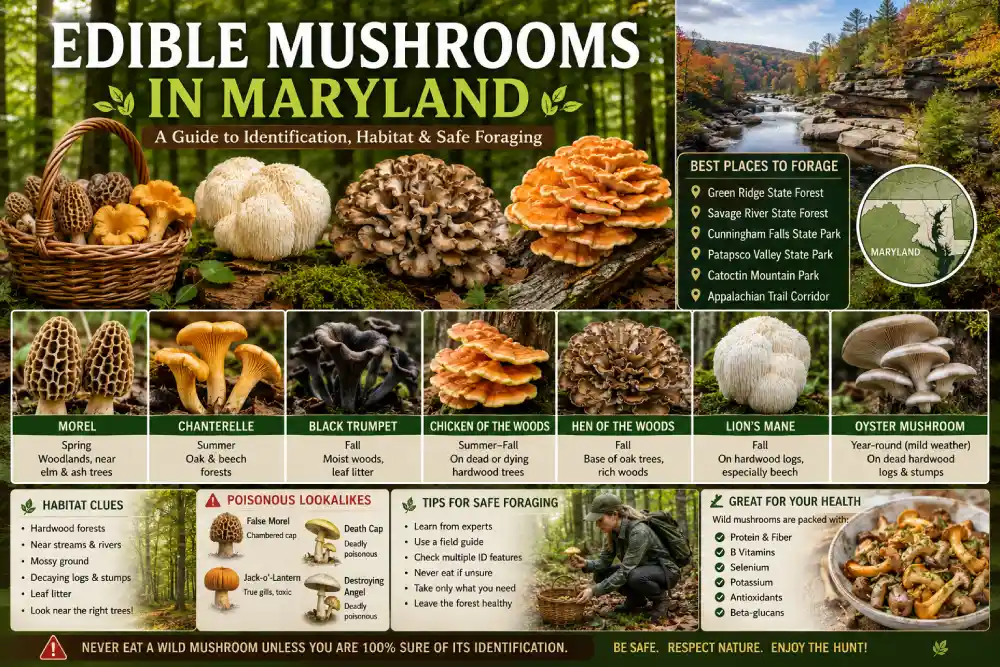
Habitat is often one of the strongest clues when identifying mushrooms.
Many species prefer specific forest types, trees, and environmental conditions.
Hardwood Forests
Maryland's oak-hickory and mixed hardwood forests are among the most productive mushroom habitats.
Common associated trees include:
- White Oak
- Red Oak
- American Beech
- Tulip Poplar
- Sugar Maple
- Hickory
- American Elm
Creek Banks and River Valleys
Moist environments near rivers and streams often produce excellent mushroom growth.
Productive areas include:
- Potomac River Valley
- Monocacy River corridor
- Patapsco River watershed
- Gunpowder River forests
Decaying Logs and Stumps
Many edible mushrooms grow directly on dead wood.
Common substrates include:
- Fallen oak logs
- Beech logs
- Maple stumps
- Dead standing hardwoods
Lion's mane, oyster mushrooms, and chicken of the woods are frequently found in these habitats.
Mountain Forests
Western Maryland's Appalachian forests provide cool, moist conditions ideal for many edible species.
These higher-elevation habitats often support a diverse range of mushrooms during spring, summer, and fall.
Best Seasons to Find Edible Mushrooms in Maryland
Different mushrooms fruit during different times of the year.
Understanding seasonal patterns greatly improves foraging success.
Spring Mushroom Season
Spring is best known for:
- Morels
- Dryad's Saddle
- Early Oyster Mushrooms
Warm soil temperatures combined with spring rainfall trigger their appearance.
Summer Mushroom Season
Summer produces:
- Golden Chanterelles
- Smooth Chanterelles
- Chicken of the Woods
- Oyster Mushrooms
Humidity and frequent thunderstorms often create ideal fruiting conditions.
Fall Mushroom Season
Many of Maryland's largest and most productive mushrooms appear during autumn.
Popular fall species include:
- Hen of the Woods
- Lion's Mane
- Black Trumpets
- Hedgehog Mushrooms
- Honey Mushrooms
- Giant Puffballs
Winter Opportunities
During mild winter periods, foragers may still find:
- Oyster Mushrooms
- Velvet Foot Mushrooms
on hardwood logs and stumps.
Weather Conditions That Trigger Mushroom Growth
The best mushroom flushes usually occur after:
- Consistent rainfall
- Warm daytime temperatures
- Cool nights
- High humidity
- Moist forest soils
Experienced foragers often track weather patterns more closely than calendar dates when planning mushroom hunts.
Top Edible Mushroom Species Found in Maryland
Maryland's forests support a diverse range of edible mushrooms, from highly prized spring morels to large autumn species that attract experienced foragers from across the Mid-Atlantic region.
Morel Mushrooms (Morchella spp.)
Morels are among the most sought-after wild mushrooms in Maryland.
Identification
- Honeycomb-like cap
- Hollow stem and cap
- Tan, yellow, or brown coloration
- Cone-shaped appearance
Habitat
Commonly found near:
- Dead or dying elm trees
- Tulip poplar
- Ash trees
- Old orchards
- Moist woodland edges
Season
March through May, depending on weather and elevation.
Golden Chanterelles (Cantharellus cibarius)
Chanterelles are among Maryland's most abundant summer mushrooms and are highly valued for their flavor.
Identification
- Golden-yellow color
- Wavy cap margins
- Thick false gills
- Fruity, apricot-like aroma
- Firm flesh
Habitat
Typically found in:
- Oak forests
- Beech woodlands
- Mossy forest floors
- Well-drained hardwood forests
Chicken of the Woods (Laetiporus sulphureus)
This brightly colored shelf mushroom is easy to recognize and widely collected.
Key Features
- Bright orange and yellow shelves
- Soft, tender flesh when young
- Pore surface underneath
- Grows in overlapping clusters
Habitat
Usually found on:
- Dead oak trees
- Standing hardwoods
- Fallen logs
- Decaying stumps
Hen of the Woods (Grifola frondosa)
Also known as Maitake, this mushroom forms large clusters at the base of mature oak trees.
Identification
- Overlapping gray-brown fronds
- White pore surface
- Dense rosette structure
- Can grow exceptionally large
Season
September through November after cool autumn rains.
Lion's Mane (Hericium erinaceus)
Lion's mane is one of Maryland's most distinctive edible mushrooms.
Identification
- Cascading white spines
- No cap or gills
- Round, shaggy appearance
- White to cream coloration
Habitat
Commonly grows on:
- Dead beech trees
- Oak logs
- Standing dead hardwoods
Its texture is often compared to crab or lobster when cooked.
Poisonous Lookalikes You Should Never Ignore
One of the biggest dangers in mushroom hunting is confusing edible mushrooms with toxic species.
Several poisonous mushrooms in Maryland closely resemble edible varieties.
Edible Mushroom | Poisonous Lookalike | Key Difference |
|---|---|---|
Morel | False Morel | Hollow interior vs chambered interior |
Chanterelle | Jack-o'-Lantern | False gills vs true gills |
Puffball | Young Amanita | Solid white interior required |
Honey Mushroom | Deadly Galerina | Rust-brown spores |
Oyster Mushroom | Angel Wing | Usually grows on conifers |
Dangerous Mushrooms Found in Maryland
Foragers should learn to recognize:
- False Morels
- Death Cap
- Destroying Angel
- Jack-o'-Lantern Mushroom
- Deadly Galerina
- Green-spored Parasol
Some of these species contain toxins capable of causing severe liver damage, kidney failure, or death.
Essential Safety Rule
Never eat a wild mushroom unless you are completely certain of its identification.
Best Mushroom Hunting Locations in Maryland
Maryland offers numerous productive mushroom habitats across its mountains, forests, and river systems.
Green Ridge State Forest
The state's largest public forest contains:
- Extensive hardwood forests
- Oak ridges
- Creek valleys
- Decaying timber habitat
This area is especially productive for morels and fall mushrooms.
Savage River State Forest
Located in western Maryland, this mountainous region provides ideal habitat for:
- Chanterelles
- Black Trumpets
- Lion's Mane
- Hen of the Woods
Its cooler climate often extends mushroom season.
Cunningham Falls State Park Region
The surrounding hardwood forests support a wide variety of edible fungi thanks to abundant moisture and mature tree cover.
Patapsco Valley and Gunpowder Falls Areas
These river corridors provide:
- Moist woodland habitat
- Rich organic soils
- Floodplain forests
- Hardwood tree diversity
Conditions that are favorable for mushroom growth throughout much of the year.
Appalachian Trail Corridor
The forests surrounding Maryland's section of the Appalachian Trail contain numerous productive mushroom habitats, particularly during spring and fall.
Habitat and Tree Associations
Many edible mushrooms depend on specific trees or woodland ecosystems.
Understanding these relationships can dramatically improve mushroom hunting success.
Mycorrhizal Mushrooms
These fungi form beneficial partnerships with living trees.
| Mushroom | Common Tree Associations |
| Morel | Elm, Ash, Tulip Poplar |
| Chanterelle | Oak, Beech, Maple |
| Black Trumpet | Oak, Beech |
| Hedgehog Mushroom | Mixed Hardwoods |
These relationships help both the tree and the fungus exchange nutrients and water.
Saprobic Mushrooms
Saprobic fungi grow on dead organic matter.
Examples include:
- Lion's Mane
- Oyster Mushrooms
- Chicken of the Woods
- Dryad's Saddle
Common substrates include:
- Fallen logs
- Dead standing trees
- Rotting stumps
- Large hardwood branches
These fungi help recycle nutrients throughout Maryland's forests.
Nutritional Benefits of Wild Edible Mushrooms
Wild mushrooms are nutrient-dense foods that provide important vitamins, minerals, and antioxidants while remaining low in calories.
Nutritional Profile
| Nutrient | Benefit |
| Protein | Supports muscle maintenance |
| Fiber | Supports digestive health |
| Potassium | Helps regulate fluid balance |
| Selenium | Supports immune function |
| Copper | Essential for metabolism |
| Vitamin D | Supports bone health |
| Riboflavin | Helps energy production |
| Niacin | Supports nervous system health |
| Ergothioneine | Powerful antioxidant |
| Beta-glucans | May support immune health |
Many edible mushrooms also contain naturally occurring polyphenols and bioactive compounds being studied for their potential health benefits.
When properly identified and cooked, wild mushrooms can be a nutritious addition to soups, pasta dishes, stir-fries, risottos, and roasted vegetable recipes.
Culinary Uses and Cooking Ideas
Maryland's edible wild mushrooms are prized for their rich flavors, unique textures, and versatility in the kitchen. Whether sautéed, roasted, grilled, or added to soups, wild mushrooms can elevate a wide range of dishes.
Popular Cooking Methods
Most edible mushrooms develop their best flavor when cooked.
Common preparation methods include:
- Sautéing with butter and garlic
- Roasting with herbs
- Grilling over charcoal
- Stir-frying with vegetables
- Adding to soups and stews
- Mixing into pasta and risotto
- Using as pizza toppings
- Incorporating into omelets
Flavor Comparison
| Mushroom | Flavor | Texture |
|---|---|---|
| Morel | Earthy and nutty | Meaty |
| Chanterelle | Fruity and peppery | Firm |
| Lion's Mane | Mild seafood-like | Tender and dense |
| Hen of the Woods | Rich and savory | Tender |
| Chicken of the Woods | Mild chicken-like | Firm |
| Oyster Mushroom | Delicate and slightly sweet | Soft |
Wild mushrooms pair exceptionally well with herbs, cream sauces, roasted vegetables, and grilled meats.
Best Ways to Preserve Wild Mushrooms for Long-Term Storage
Preserving wild mushrooms allows foragers to enjoy seasonal harvests long after the growing season ends. Proper storage helps maintain flavor, texture, and nutritional value.
Drying
Drying is one of the most effective preservation methods.
Best mushrooms for drying include:
- Morels
- Chanterelles
- Black Trumpets
- Hedgehog Mushrooms
Store dried mushrooms in airtight containers away from heat and moisture.
Freezing
Many mushrooms freeze well after being lightly sautéed or blanched.
Good choices include:
- Oyster Mushrooms
- Lion's Mane
- Hen of the Woods
- Chicken of the Woods
Pickling
Pickling creates flavorful preserved mushrooms that can be used in salads, charcuterie boards, and appetizers.
Young, firm mushrooms generally produce the best results.
Responsible and Sustainable Mushroom Foraging
Ethical harvesting practices help protect Maryland's forests and fungal biodiversity.
Follow Sustainable Harvesting Principles
Responsible mushroom hunters should:
- Harvest only what they will use
- Leave immature mushrooms behind
- Avoid damaging surrounding vegetation
- Minimize soil disturbance
- Respect wildlife habitats
- Follow local regulations
Because the visible mushroom is only the fruiting body, protecting the underground mycelium is essential for long-term forest health.
Use a Mesh Basket
A mesh basket helps:
- Prevent mushrooms from being crushed
- Improve airflow
- Reduce spoilage
- Disperse spores while walking
Many experienced foragers prefer baskets over plastic bags.
Respect Public Land Rules
Before collecting mushrooms, always verify regulations in:
- State forests
- State parks
- Wildlife management areas
- Federal lands
Rules may vary depending on the location.
Essential Mushroom Hunting Equipment
Having the right equipment improves safety, identification accuracy, and overall success in the field.
Basic Equipment Checklist
- Mesh basket
- Mushroom knife
- Soft cleaning brush
- Field identification guide
- GPS or smartphone map
- Compass
- Camera
- Notebook
- Hiking boots
- Drinking water
Optional Equipment
Advanced foragers often carry:
- Hand lens
- Wax paper bags
- Trekking poles
- Rain gear
- First-aid kit
Recording habitat information can help identify productive locations for future seasons.
Common Mushroom Identification Mistakes
Many mushroom-related accidents occur because beginners rely on appearance alone.
Depending Only on Color
Color can vary due to:
- Age
- Weather
- Sun exposure
- Moisture levels
Always examine multiple identification characteristics.
Ignoring Habitat Information
Many mushrooms grow only in specific environments or near certain trees.
Habitat clues can be just as important as physical characteristics.
Skipping Spore Prints
Spore prints often provide critical identification evidence and can help distinguish similar species.
Harvesting Old Specimens
Avoid mushrooms that are:
- Slimy
- Waterlogged
- Moldy
- Heavily insect-damaged
Fresh specimens are generally safer and provide better culinary quality.
Trusting Photos Alone
Internet photos may not show key identifying characteristics.
Always verify identification using multiple reputable resources and field observations.
Beginner's Guide to Mushroom Hunting in Maryland
Starting slowly and focusing on a few easily recognized species is the safest approach for new foragers.
Best Mushrooms for Beginners
Many experienced mushroom hunters recommend beginning with:
- Morels
- Lion's Mane
- Giant Puffballs
- Hen of the Woods
These species often have distinctive characteristics that reduce the likelihood of confusion.
Learn the Habitat
Successful mushroom hunting depends on understanding:
- Tree species
- Soil conditions
- Moisture levels
- Elevation
- Seasonal patterns
Habitat knowledge often leads to more consistent results than random searching.
Join Local Mushroom Groups
Foraging with experienced hunters can accelerate learning and improve identification skills.
Field walks, workshops, and mycology clubs provide valuable hands-on experience.
Keep a Foraging Journal
Record:
- Date
- Weather
- Habitat
- Tree associations
- Mushroom species
- GPS location
Over time, these records help reveal recurring fruiting patterns.
Conclusion
Maryland's forests, mountains, river valleys, and coastal woodlands provide exceptional habitat for a wide variety of edible wild mushrooms. From spring morels and summer chanterelles to autumn favorites like hen of the woods and lion's mane, the state offers rewarding opportunities for mushroom enthusiasts throughout much of the year.
Successful mushroom hunting requires a combination of identification skills, habitat knowledge, seasonal awareness, and responsible harvesting practices. Learning tree associations, understanding fungal ecology, and respecting natural ecosystems will not only improve your success but also help preserve Maryland's fungal biodiversity for future generations.
Key Takeaways
- Maryland supports numerous edible mushroom species across diverse habitats.
- Morels, chanterelles, lion's mane, oyster mushrooms, and hen of the woods are among the most sought-after species.
- Tree associations and habitat clues are essential for accurate identification.
- Sustainable harvesting helps protect forest ecosystems and fungal populations.
- Proper preservation techniques allow you to enjoy wild mushrooms year-round.
- Never eat a wild mushroom unless you are completely certain of its identification.
With patience, observation, and continued learning, mushroom hunting can become one of the most enjoyable ways to explore Maryland's forests and natural landscapes.
Frequently Asked Questions About Edible Mushrooms in Maryland
1. What edible mushrooms grow in Maryland?
Maryland is home to many edible wild mushrooms, including morels, chanterelles, black trumpets, chicken of the woods, hen of the woods, lion's mane, oyster mushrooms, giant puffballs, hedgehog mushrooms, and dryad's saddle. Different species appear throughout spring, summer, fall, and even mild winter periods.
2. When is mushroom season in Maryland?
Mushroom season in Maryland typically runs from March through November, although some species can be found year-round.
- Spring: Morels and dryad's saddle
- Summer: Chanterelles and chicken of the woods
- Fall: Hen of the woods, lion's mane, and black trumpets
- Winter: Oyster mushrooms and velvet foot during mild conditions
Rainfall and temperature often influence mushroom growth more than calendar dates.
3. Where can I find morel mushrooms in Maryland?
Morels commonly grow near:
- Dead or dying elm trees
- Tulip poplar
- Ash trees
- Old apple orchards
- Creek bottoms
- South-facing woodland slopes
Western and central Maryland hardwood forests are particularly productive during spring.
4. What are the best places to hunt mushrooms in Maryland?
Popular mushroom hunting areas include:
- Green Ridge State Forest
- Savage River State Forest
- Cunningham Falls region
- Catoctin Mountain area
- Patapsco Valley
- Appalachian Trail corridor
- Gunpowder Falls region
Always check local regulations before harvesting on public lands.
5. Are there poisonous mushrooms in Maryland?
Yes. Maryland has several dangerous mushroom species, including:
- Death Cap
- Destroying Angel
- False Morels
- Jack-o'-Lantern Mushrooms
- Deadly Galerina
- Green-spored Parasol
Some contain toxins capable of causing severe illness, organ failure, or death.
6. How do I safely identify edible mushrooms?
Safe identification requires examining multiple features:
- Cap shape and texture
- Stem structure
- Gills, pores, or teeth
- Spore print color
- Odor
- Bruising reactions
- Habitat
- Tree associations
Never identify a mushroom based on a single characteristic.
7. What trees are associated with edible mushrooms in Maryland?
Common tree associations include:
- White Oak
- Red Oak
- American Beech
- Tulip Poplar
- Sugar Maple
- Hickory
- Elm
- Ash
- Sycamore
Many edible mushrooms rely on these trees through mycorrhizal relationships.
8. Are chanterelles common in Maryland?
Yes. Golden chanterelles are among the most common summer mushrooms in Maryland. They typically grow in mature hardwood forests, especially near oak and beech trees after periods of rainfall.
9. What is the easiest edible mushroom for beginners?
Many foragers recommend starting with:
- Morels
- Lion's Mane
- Giant Puffballs
- Hen of the Woods
These mushrooms often have distinctive characteristics that make identification easier than many other species.
10. Can I forage mushrooms in Maryland state parks?
Regulations vary by location. Some parks and public lands allow limited personal-use collecting, while others prohibit harvesting. Always review current rules before foraging.
11. What nutrients do wild mushrooms contain?
Edible mushrooms provide:
- Protein
- Dietary fiber
- Potassium
- Selenium
- Copper
- B vitamins
- Vitamin D (in some species)
- Ergothioneine
- Beta-glucans
- Antioxidants
They are nutrient-dense while remaining low in calories and fat.
12. What weather conditions are best for mushroom growth?
The best mushroom flushes often occur after:
- Several days of rainfall
- Warm daytime temperatures
- Cool nights
- High humidity
- Moist forest soils
These conditions encourage underground mycelium to produce fruiting bodies.
13. Why is sustainable mushroom foraging important?
Sustainable harvesting helps preserve:
- Fungal biodiversity
- Forest ecosystems
- Wildlife habitat
- Future mushroom populations
Responsible foragers harvest selectively and avoid damaging habitats.
14. Can mushrooms grow in the same place every year?
Yes. Many mushroom species return to the same locations because their underground mycelium survives for many years. Productive patches may fruit repeatedly when environmental conditions are favorable.
15. What equipment should I bring mushroom hunting?
Recommended equipment includes:
- Mesh basket
- Mushroom knife
- Field guide
- GPS or smartphone map
- Camera
- Soft brush
- Notebook
- Water bottle
- Hiking boots
These tools improve both safety and identification accuracy.
16. Should wild mushrooms be eaten raw?
Most wild mushrooms should be cooked before eating. Cooking improves flavor, digestibility, and may reduce naturally occurring compounds that can cause digestive discomfort.
17. What is the most important mushroom safety rule?
The most important rule is:
Never eat a wild mushroom unless you are completely certain of its identification.
A mistaken identification can result in serious illness or death.
18. Why are mushrooms important to Maryland's forests?
Mushrooms play essential ecological roles by:
- Forming mycorrhizal partnerships with trees
- Recycling dead organic matter
- Supporting soil health
- Cycling nutrients
- Promoting biodiversity
Healthy fungal communities are critical for healthy forest ecosystems.
Sign in to leave a comment and join the discussion.
 Species Guide
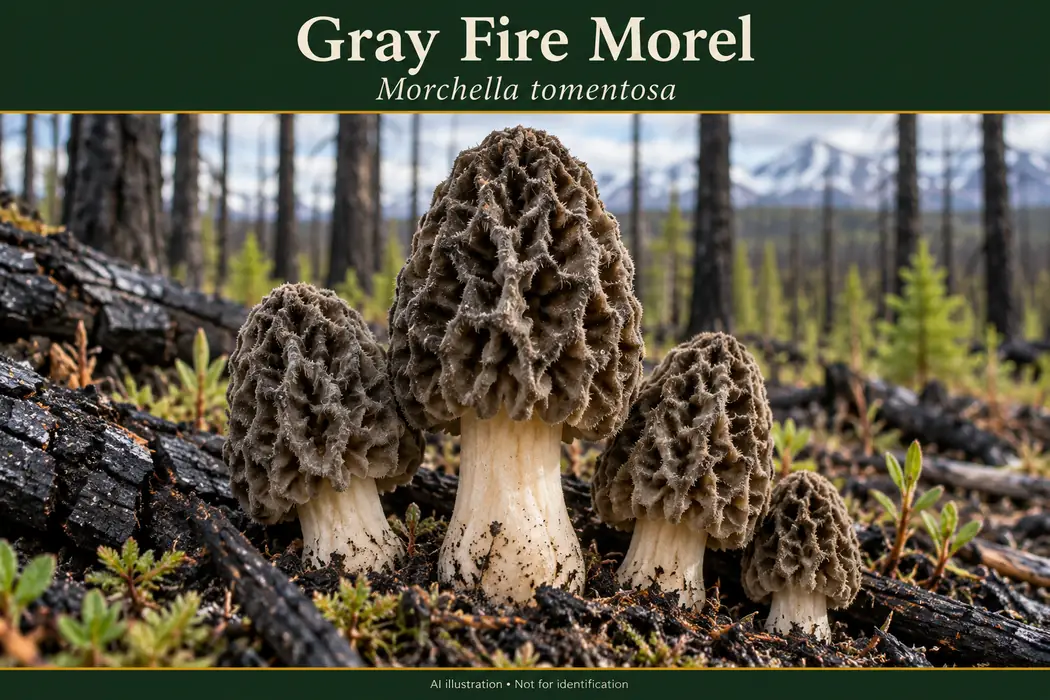
Alaska has many edible mushrooms, including morels, king boletes, golden chanterelles, hedgehogs, oyster mushrooms and bear’s head mushrooms. Most appear...
 Species Guide
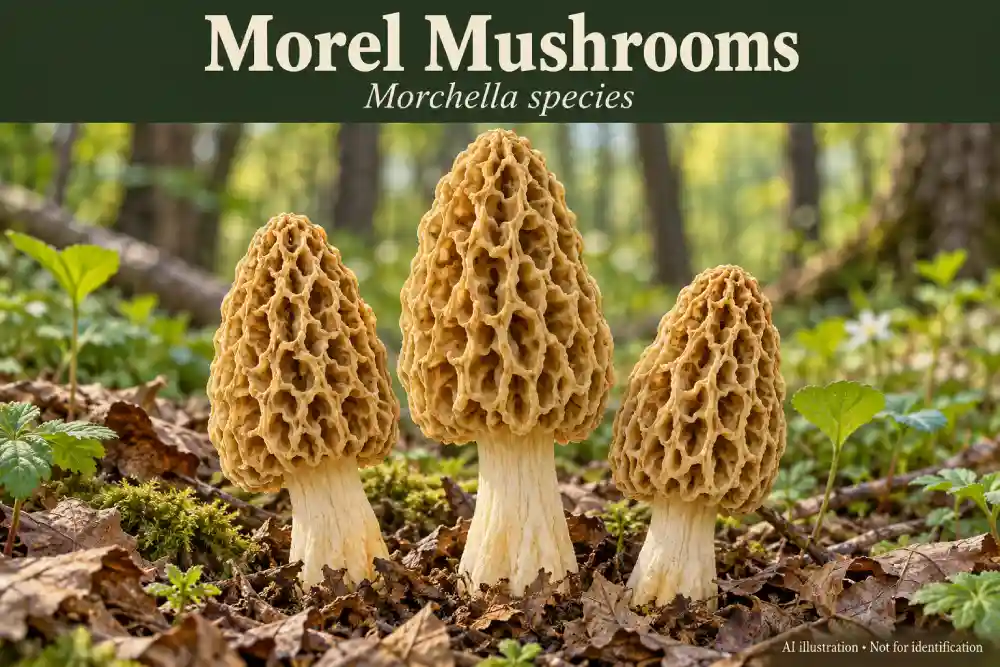
Wisconsin is home to edible mushrooms such as morels, chanterelles, oyster mushrooms, hen of the woods, chicken of the woods and giant puffballs. Different...
 Species Guide
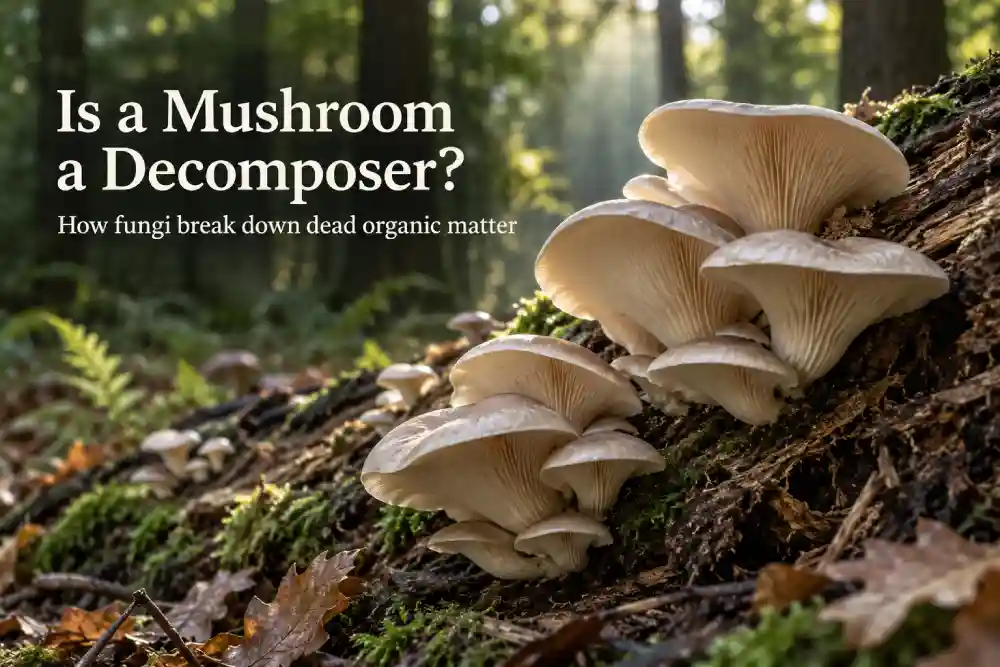
Is a Mushroom a Decomposer? Yes, many mushroom-forming fungi are decomposers. They break down dead wood, fallen leaves and other organic material, helping...