Mushroom Forager's Blog
Field guides, safety tips, regional foraging insights, and AI-powered mushroom identification knowledge, written to help you forage smarter and safer.
Showing 9 of 87 articles
 General
How to Dry Mushrooms: Dehydrator, Oven and Air-Drying
To dry mushrooms, slice them evenly, spread them in a single layer and dry them at a low, steady heat of about 140°F until they are completely dry. Colorado...
 Editorial Team
 General
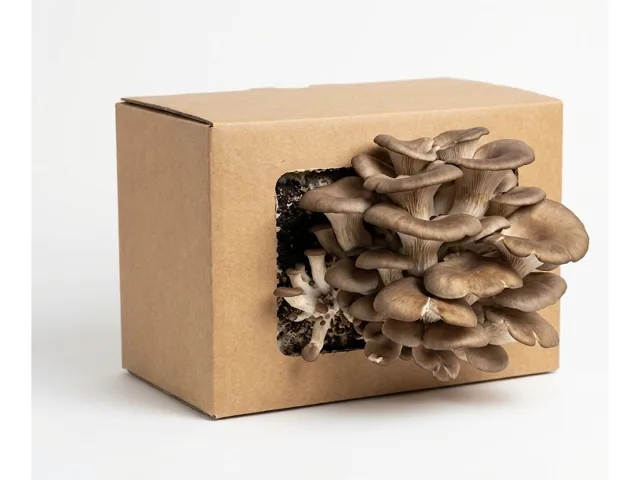
Oyster Mushroom Grow Kit: How to Choose and Grow One
An oyster mushroom grow kit is a block of substrate that the maker has already filled with oyster mushroom mycelium, so you only open it, keep it moist and...
Editorial Team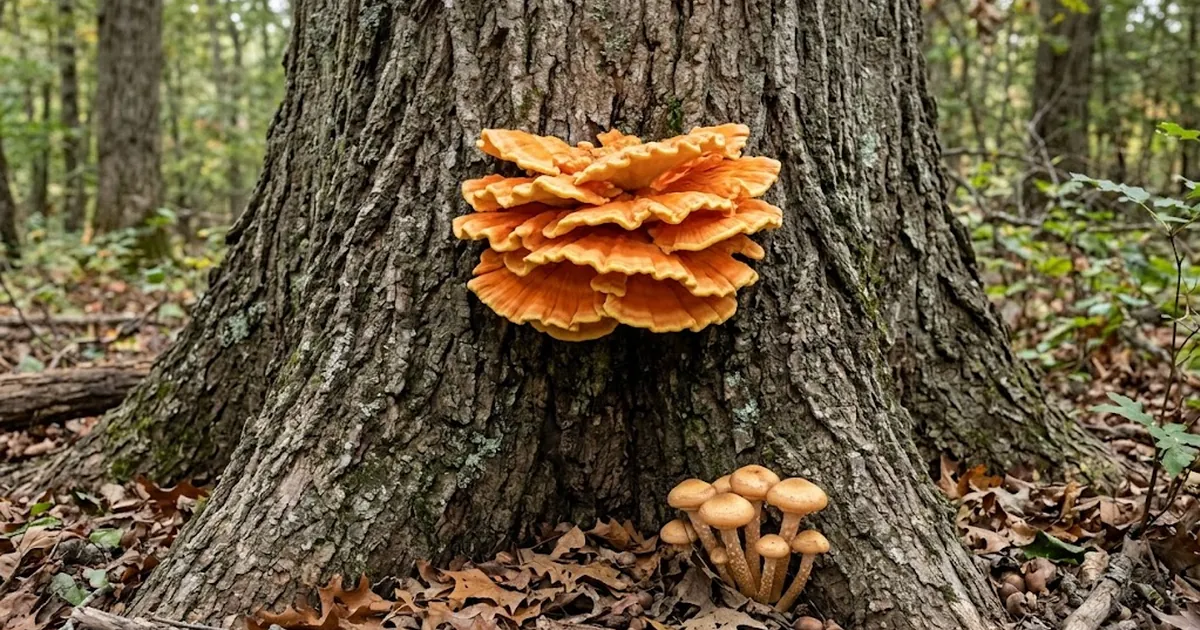 General
Oak Tree Fungus Identification: Mushrooms That Grow on Oaks
Most fungus on an oak tree is a decay fungus fruiting on wood that is already dead inside the tree, a leaf disease that is mostly cosmetic, or a lichen that...
Editorial Team General
Best Mushroom Identification Books by US Region
The best mushroom identification book for the United States is a regional field guide, not a world guide, because the species under your feet depend on your...
Editorial Team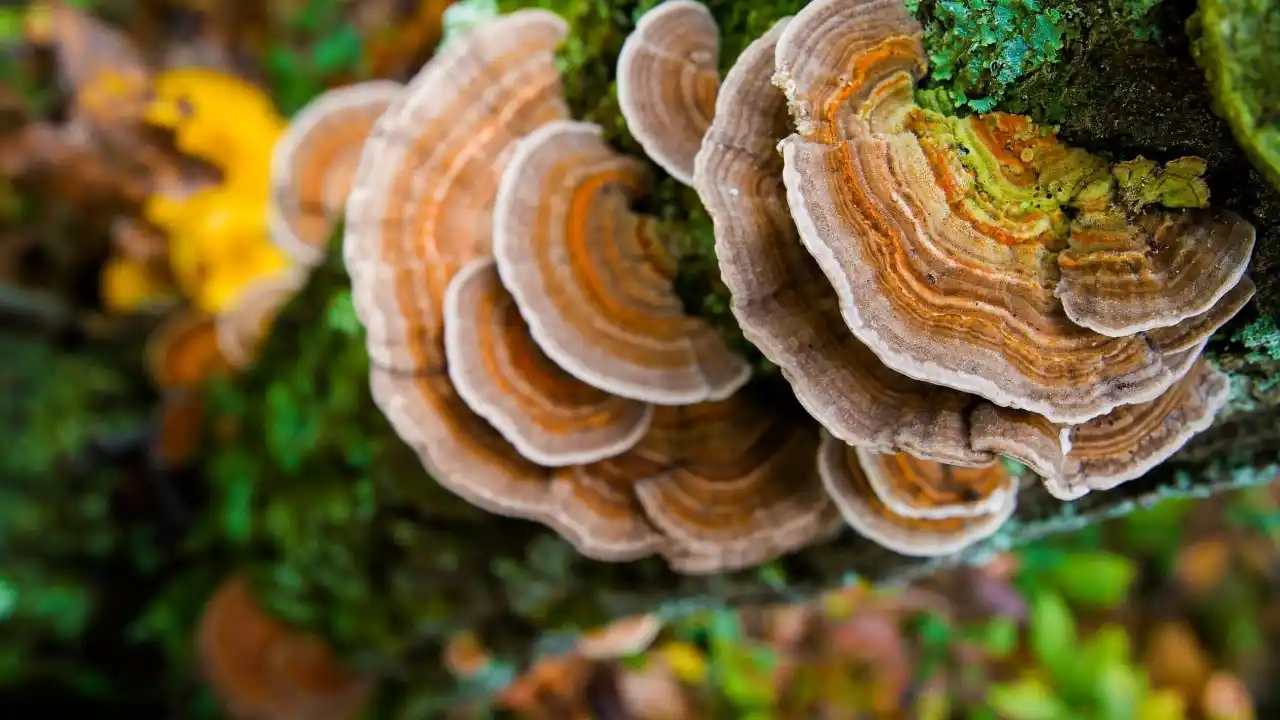 General
Turkey Tail Mushroom Identification Chart With Pictures
Turkey tail mushroom identification rests on four checks made together: thin, flexible, fan-shaped caps with velvety and sharply contrasting color zones; a...
Editorial Team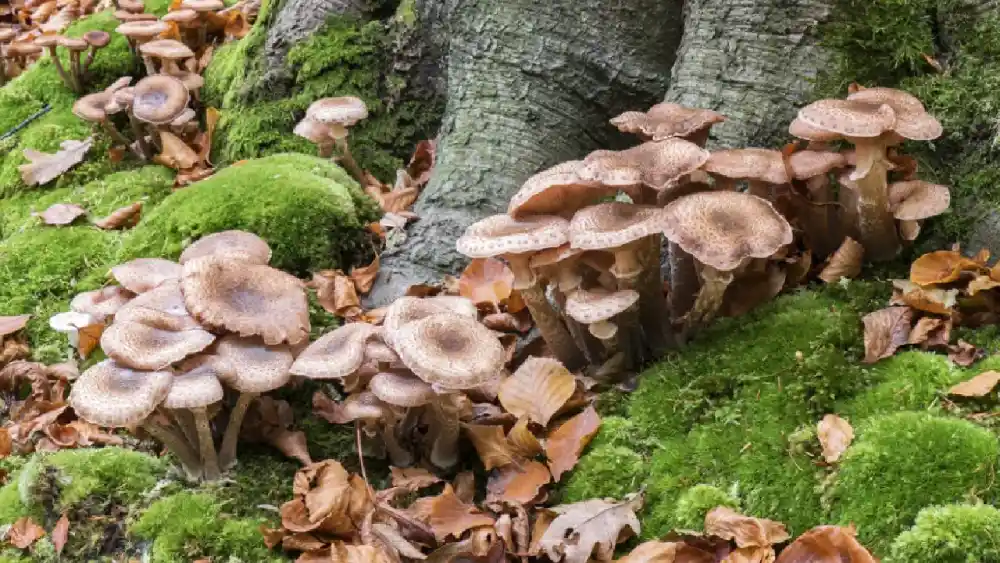 General
Mushrooms Growing on Trees: What They Mean and How to Identify Them
Mushrooms growing on a living tree almost always mean the wood inside is decaying. The fungus has usually been feeding on dead heartwood or wounded sapwood...
Editorial Team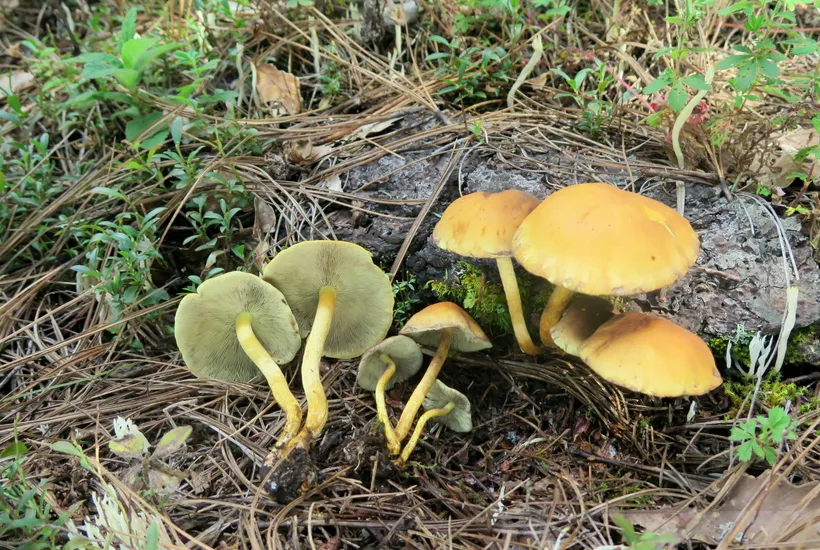 General
Sulfur Tuft Mushroom: Look-Alike Chart and Toxicity Facts
Sulfur tuft ( Hypholoma fasciculare ) is a poisonous yellow mushroom that grows in tight clusters on stumps, logs and buried wood. Its gills start yellow,...
Editorial Team