Turkey Tail Mushroom Identification Guide

Nathan Cole
Mycologist · Author · Fungi Expert
Updated
Apr 13, 2026
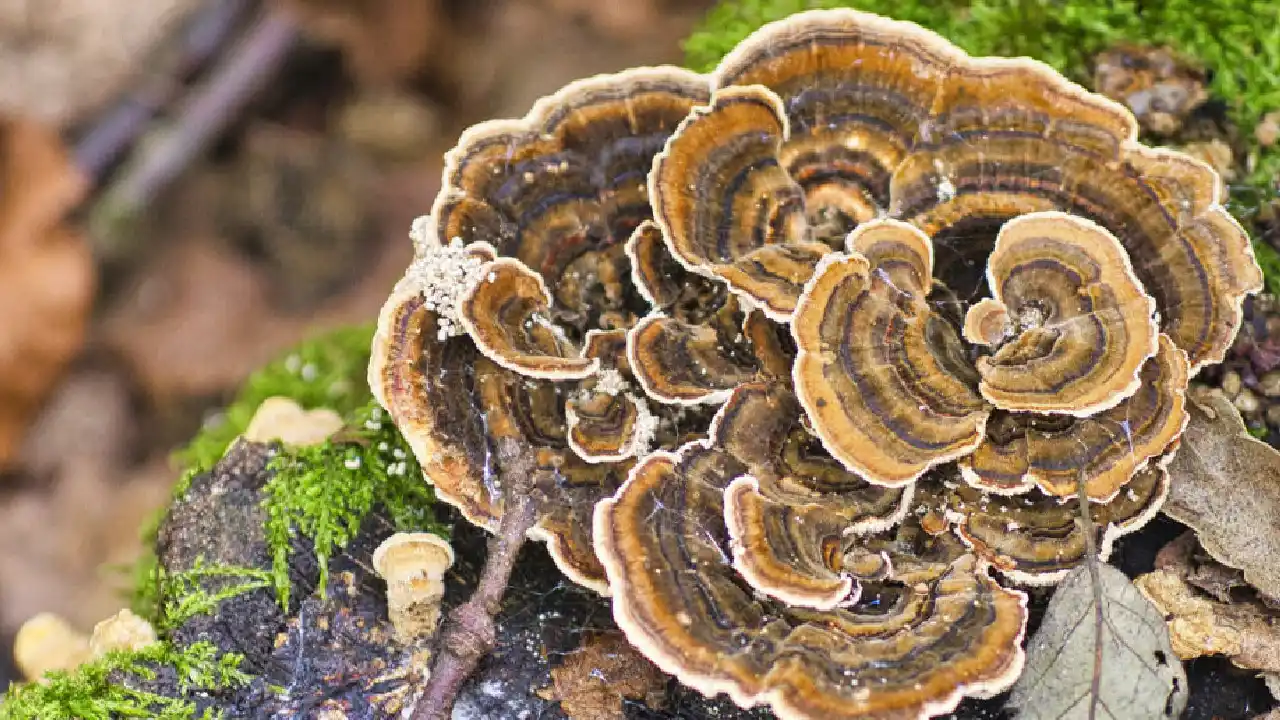
The Trametes versicolor is a common woodland fungus known for its fan-shaped layers and multi-colored bands, resembling a turkey’s tail. It belongs to a group of wood-decaying fungi studied in Mycology and plays an important role in breaking down dead hardwood.
Accurate identification is essential because many similar-looking fungi grow on wood. While turkey tail is widely recognized for its beneficial properties, confusing it with lookalikes—such as Stereum ostrea—can lead to incorrect assumptions.
Proper identification ensures you are recognizing the true species based on structure, underside, and growth pattern, not just color.
Key Identification Features of Turkey Tail Mushroom (Color Bands, Texture, and Pore surface)
Turkey tail mushrooms are visually distinctive, but correct identification depends on multiple consistent features working together.
Core Features to Look For
1. Concentric Color Bands
- Rings of brown, tan, gray, cream, and sometimes blue/green
- Each band forms a clear layered pattern
2. Thin and Flexible Structure
- Typically very thin (often less than a few millimeters)
- Can bend slightly without breaking
3. Velvety Surface
- The top feels soft or fuzzy when fresh
- Surface may appear slightly textured
4. Underside (Most Important Feature)
- Contains a white to cream Pore surface
- No gills—only tiny pores
👉 Key Insight:
Many mushrooms share similar color, but only true turkey tail has a pore surface instead of gills or a smooth underside.
Step-by-Step Turkey Tail Mushroom Identification Using Bracket fungus Characteristics
To identify turkey tail mushrooms confidently, follow a structured process similar to field mycologists.
Step 1: Check Growth Pattern
- Grows as a Bracket fungus
- Appears in overlapping, layered shelves
Step 2: Examine Shape and Size
- Fan-shaped or semicircular caps
- Thin and spread out along wood
Step 3: Observe Color Zones
- Multiple concentric rings
- Distinct banding pattern
Step 4: Inspect the Underside
- Flip the mushroom carefully
- Look for tiny white pores (not gills)
Step 5: Confirm Habitat
- Growing on dead hardwood
- Found on logs, stumps, or fallen branches
Identification Rule
👉 Combine:
- Growth pattern
- Color bands
- Pore surface
- Habitat
Never rely on a single feature alone.
Turkey Tail vs False Turkey Tail (Stereum ostrea) – Key Differences Explained
One of the most common mistakes is confusing turkey tail with its lookalike, Stereum ostrea.
Side-by-Side Comparison
| Feature | True Turkey Tail | False Turkey Tail |
|---|---|---|
| Underside | White pores | Smooth (no pores) |
| Texture | Velvety | Tough, smooth |
| Thickness | Thin and flexible | Slightly thicker |
| Structure | Delicate layers | More rigid |
Key Difference
👉 The underside is the most reliable test:
- Pores → true turkey tail
- Smooth → false turkey tail
Common Mistake
- Relying only on color bands
👉 Many fungi have similar patterns—structure matters more than color.
Habitat and Growth Patterns of Turkey Tail Mushrooms on Hardwood Trees
Turkey tail mushrooms are strongly linked to their environment, making habitat a powerful identification clue.
Where They Grow
- Dead or decaying hardwood logs
- Tree stumps and fallen branches
- Forest floors and woodland areas
Common Host Trees
- Oak
- Beech
- Maple
Growth Characteristics
- Grow in large overlapping clusters
- Spread across wood surfaces in layers
- Often found year-round in suitable conditions
Habitat-Based Identification Tips
- Found only on wood (not soil)
- Prefer moist, shaded environments
- Often appear in groups rather than alone
👉 Key Insight:
If a similar-looking mushroom is growing directly from soil instead of wood, it is not turkey tail.
Identifying Turkey Tail by Underside and Spore print Features
The underside of a mushroom is one of the most reliable identification tools, especially for distinguishing turkey tail from lookalikes.
Turkey tail mushrooms have a distinct pore-based underside, which separates them from fungi with gills or smooth surfaces. This feature alone can eliminate many misidentifications.
Underside Identification Checklist
1. Pore Surface
- White to cream colored
- Covered in tiny, evenly spaced pores
- No visible gills
👉 This confirms it belongs to a polypore group.
2. Pore Size and Density
- Very small pores (often only visible up close)
- Uniform across the entire underside
3. Spore Confirmation
- Produces a white Spore print
- Helpful as a supporting feature
Key Insight
👉 If the underside is:
- Smooth → likely a false species
- Gilled → not turkey tail
Common Lookalike Mushrooms and Misidentification Risks
Turkey tail mushrooms are often confused with other wood-growing fungi due to their similar colors and growth patterns.
Common Lookalikes
- Stereum ostrea
- Trametes hirsuta
- Lenzites betulina
How to Avoid Confusion?
| Feature | Turkey Tail | Lookalikes |
|---|---|---|
| Underside | Pores | Smooth or gilled |
| Texture | Velvety | Hairy or tough |
| Thickness | Thin | Often thicker |
Common Mistakes
- Identifying based on color alone
- Ignoring underside structure
- Not checking texture
👉 The biggest risk comes from visual similarity without structural verification.
Safety and Foraging Guidelines for Turkey Tail Identification
While turkey tail mushrooms are widely recognized, safe identification practices should always be followed.
Safe Identification Practices
-
Always check:
- Growth pattern
- Underside (pores)
- Texture and thickness
- Use multiple features before confirming
What to Avoid?
- Do not rely on color alone
- Avoid collecting mushrooms from polluted areas
- Never assume a mushroom is safe without proper identification
Responsible Approach
- Learn a few species deeply before expanding
- Use field guides or expert advice
- Treat every unknown mushroom as potentially unsafe
Tools and Resources for Accurate Turkey Tail Identification
Accurate identification improves significantly when you use the right tools and references.
Useful Tools
- Magnifying lens (to see pore details)
- Field guides specific to your region
- Clear photo documentation
Learning Resources
- Local mycology groups
- Online fungal databases
- Educational mushroom guides
Important Note
Digital tools can assist, but they should always be combined with manual observation and expert validation.
Do you have good mushroom knowledge? Let's try our Mushroom Identification Quiz
Frequently Asked Questions
How do I confirm a turkey tail mushroom?
Check for:
- Thin, layered shelf growth
- Multicolor bands
- White pore underside
What is the easiest way to identify turkey tail?
The underside test:
- Pores → turkey tail
- No pores → not turkey tail
Where does turkey tail mushroom grow?
It grows on dead hardwood logs and tree stumps, especially in forests.
Can I identify turkey tail by color alone?
No. Many mushrooms have similar colors. You must check structure and underside.
What is the biggest mistake in identifying turkey tail?
Ignoring the underside and relying only on appearance.
Sign in to leave a comment and join the discussion.
 Guide
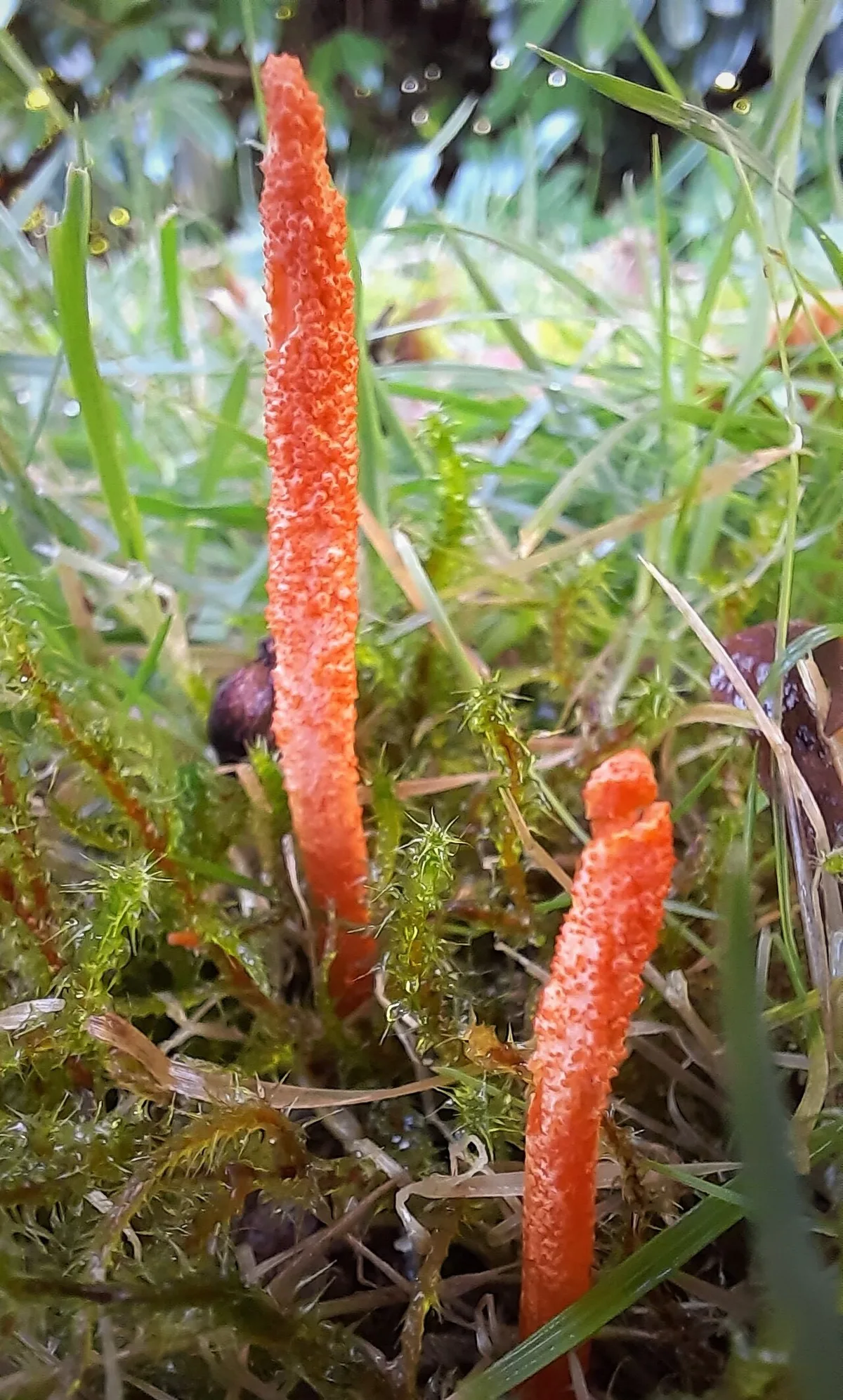
GuideCan Mushroom Coffee Raise Blood Pressure? A Mycologist's Honest Answer The short answer is: it depends on the blend. Mushroom coffee can raise blood...
 Guide
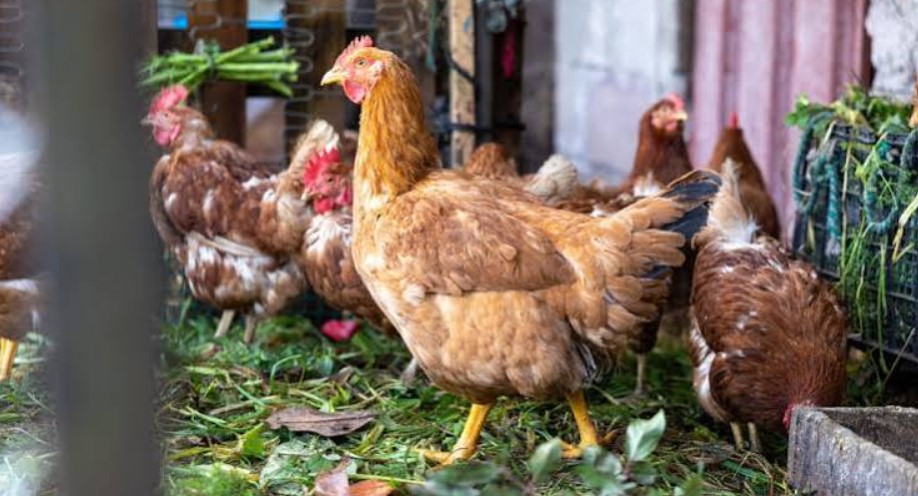
GuideCan Chickens Eat Mushrooms? Yes — but with conditions. Chickens can safely eat certain mushrooms, like button, oyster, shiitake, portobello, and cremini....
 Guide
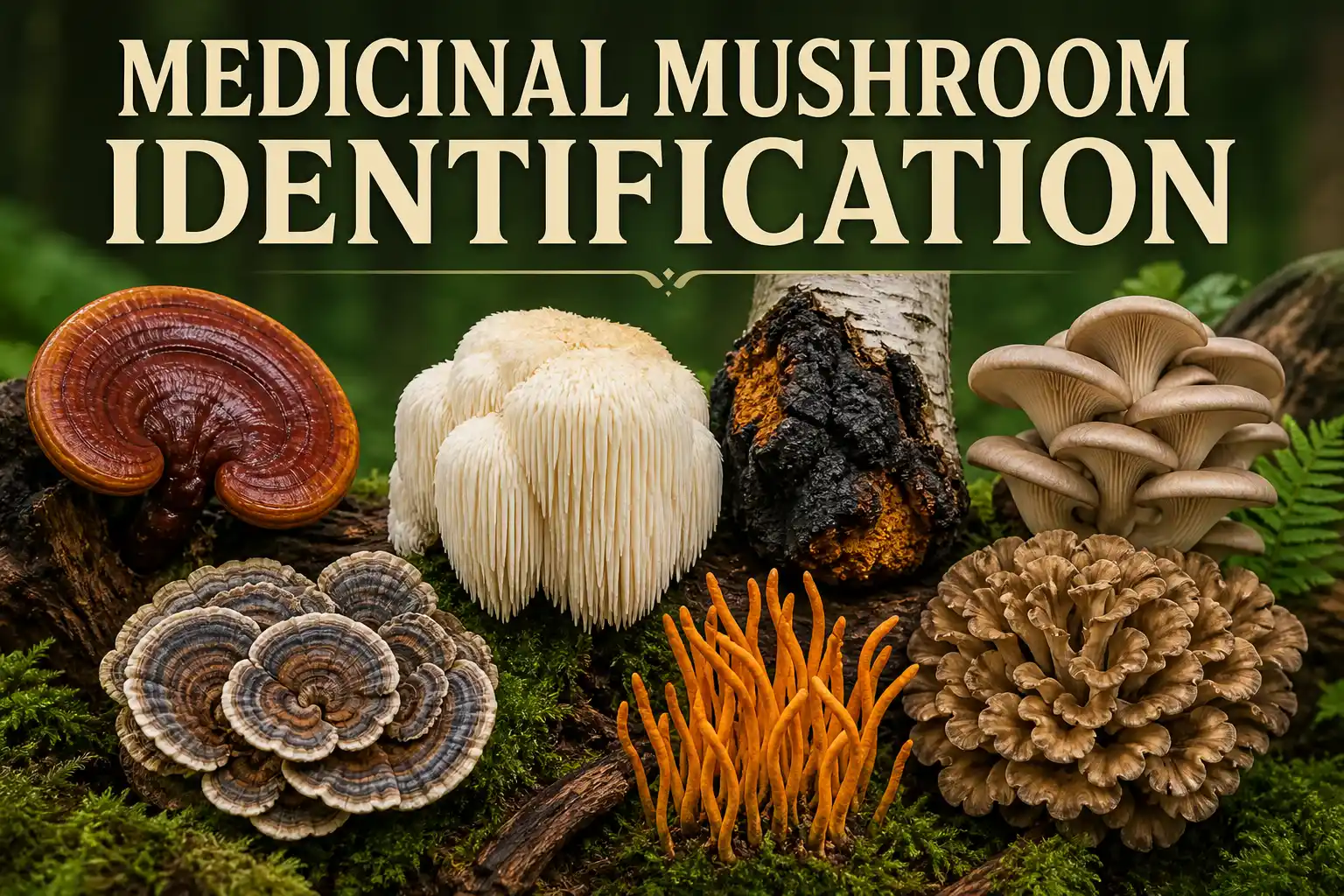
GuideMedicinal mushroom identification means accurately recognizing fungi with proven health-supporting compounds —and distinguishing them from toxic lookalikes....