Editorial Policy

Nathan Cole
Mycologist · Author · Fungi Expert
Updated
Jun 28, 2026
Our Commitment to Accurate Mushroom Identification
At MushroomIdentifiers, our mission is to make mushroom identification more accessible, educational, and safer for everyone—from beginners exploring their first wild mushroom to experienced foragers seeking an additional reference.
Mushroom identification is a complex scientific field. While modern artificial intelligence has significantly improved image recognition capabilities, no online tool or photograph alone can guarantee the correct identification of every mushroom. For this reason, our editorial approach combines AI technology, human research, scientific references, and continuous quality review to produce reliable educational content.
Our primary goal is not simply to identify mushrooms but to help users understand why a mushroom may belong to a particular species, recognize similar lookalikes, learn important identification features, and understand potential safety risks associated with wild fungi.
Our Editorial Mission
MushroomIdentifiers was founded by Mushahid Hussain and Mustakeem, two technology enthusiasts who wanted to make mushroom identification free, simple, and educational for mushroom lovers worldwide.
Our vision is to build one of the web's most trustworthy mushroom identification resources by combining modern AI technology with carefully researched educational content.
Every article, identification guide, and educational resource published on our website is created with one objective:
Provide practical, evidence-based mushroom identification guidance while always prioritizing user safety over certainty.
Our Editorial Principles
Every piece of content published on MushroomIdentifiers follows these editorial principles:
- Accuracy comes before publishing speed.
- User safety is always our highest priority.
- Scientific information is explained in clear, beginner-friendly language.
- Content is regularly reviewed and updated.
- Sources are compared across multiple reputable references whenever possible.
- Taxonomy changes are monitored and incorporated over time.
- We clearly acknowledge uncertainty where scientific consensus is evolving.
- Artificial intelligence supports our workflow but does not replace editorial judgment.
How We Create Our Content
Every educational guide follows a structured editorial workflow designed to improve consistency and accuracy.
Step 1 — Topic Research
Before writing begins, we research the topic using multiple publicly available scientific and educational references. Rather than relying on a single source, we compare information from multiple trusted publications to improve accuracy and identify differences in taxonomy, regional names, and identification characteristics.
Step 2 — Information Collection
For every mushroom species, we collect and verify information such as:
- Scientific classification
- Accepted scientific names
- Common names
- Physical identification characteristics
- Habitat preferences
- Fruiting season
- Geographic distribution
- Tree associations
- Similar species
- Edibility status
- Toxicity information
- Conservation considerations (where applicable)
Step 3 — AI-Assisted Drafting
Artificial intelligence may assist with organizing information, improving readability, summarizing research, or supporting image analysis.
However, AI-generated output is never treated as a primary factual source.
All educational content is reviewed, edited, and refined before publication.
Step 4 — Editorial Review
Before publication, articles undergo editorial review to check:
- Scientific terminology
- Identification accuracy
- Internal consistency
- Clarity
- Safety warnings
- Grammar and readability
- Updated taxonomy
- Broken or outdated references
Step 5 — Continuous Updates
Mushroom science constantly evolves.
When scientific names change, new research becomes available, or readers identify potential improvements, we update our content to reflect the latest information whenever practical.
Our Research Process
We believe reliable mushroom identification requires comparing information from multiple independent references.
Rather than relying on a single publication, we consult publicly available educational materials, scientific publications, taxonomic databases, university resources, field guides, and community observations.
Community observations help us understand regional variation, seasonal fruiting patterns, and common identification challenges. However, community posts are never considered authoritative evidence on their own and are evaluated alongside established scientific references.
Our Information Sources
Our editorial team regularly consults publicly available educational and scientific resources, including:
- Mushroom Reference
- Mushroom Research (Indian Council of Agricultural Research)
- Pennsylvania State University Mycology Library Guides
- Scientific literature indexing services
- Public mushroom identification communities and educational discussion groups
- Additional university publications, field guides, and peer-reviewed research when relevant
These resources help us compare identification characteristics, taxonomy, habitat information, and published research.
Our use of these publicly available resources does not imply endorsement, affiliation, or partnership with any organization, university, publisher, or online community.
Community Learning and Public Observations
MushroomIdentifiers values the educational contributions shared by mushroom enthusiasts worldwide.
Public discussions, photographs, and identification conversations shared within online mushroom communities can provide valuable learning opportunities about regional fungi, seasonal growth, and identification challenges.
When reviewing publicly available community observations:
- We treat them as educational references rather than verified scientific evidence.
- We compare observations with established scientific literature.
- We never rely solely on community opinions for factual claims.
- Community discussions help identify common misidentifications and frequently confused species.
This balanced approach helps improve educational content while maintaining editorial standards.
Human Review and Expert Feedback
Our content is researched and edited internally by the MushroomIdentifiers editorial team.
Where appropriate, selected educational materials may also receive independent feedback from experienced mushroom enthusiasts and knowledgeable contributors with practical field experience.
External feedback is used to improve clarity, identify potential corrections, and strengthen educational value.
Responsibility for all published content remains with the MushroomIdentifiers editorial team.
Responsible Use of Artificial Intelligence
Artificial intelligence is an important part of MushroomIdentifiers, but it is not a replacement for scientific research or human judgment.
AI may assist with:
- Image analysis
- Pattern recognition
- Draft organization
- Information summarization
- Educational explanations
Editorial decisions, research verification, and safety guidance remain subject to human review before publication whenever AI-generated material is used.
Accuracy Standards
Before publishing educational content, we aim to verify:
- Accepted scientific names
- Common names
- Identification characteristics
- Habitat information
- Fruiting seasons
- Geographic distribution
- Toxicity classifications
- Edibility information
- Similar species
- Current taxonomic understanding
When conflicting scientific information exists, we compare multiple reputable references and update our content as additional evidence becomes available.
Safety Comes First
Wild mushroom identification should never rely solely on photographs or artificial intelligence.
Many edible mushrooms have poisonous lookalikes, and even experienced foragers occasionally require additional verification.
For this reason:
- We strongly discourage consuming wild mushrooms based only on online identification.
- Users should seek confirmation from qualified local experts whenever uncertainty exists.
- Potentially poisonous species receive additional editorial attention.
- Safety warnings are included wherever appropriate.
Our goal is education—not medical, toxicological, or foraging certification.
Images and Visual Content
Images play an essential role in mushroom identification.
Whenever possible, we encourage reviewing multiple photographs showing:
- Cap
- Gills or pores
- Stem
- Base
- Growth habitat
- Multiple viewing angles
Visual information is combined with habitat, season, and identification characteristics to improve educational value.
Editorial Independence
Our editorial decisions are based on educational value, scientific evidence, and user safety.
Commercial considerations, advertising relationships, or promotional interests do not determine how identification information is researched or presented.
Our objective is to provide balanced, accurate, and trustworthy educational resources.
Corrections Policy
Accuracy is an ongoing process.
If readers discover outdated taxonomy, incorrect information, broken references, or factual errors, we encourage them to contact us.
Every reported correction is reviewed individually.
When verified improvements are identified, we update our content as soon as reasonably possible.
Continuous Improvement
The field of mycology evolves continuously.
Our editorial team regularly reviews existing content to:
- Improve identification guidance
- Expand educational information
- Update scientific names
- Reflect taxonomic revisions
- Add newly available research
- Improve image quality
- Clarify confusing topics
We believe maintaining accurate information is an ongoing responsibility rather than a one-time publishing task.
Our Commitment to Readers
MushroomIdentifiers exists to help people learn about fungi safely and responsibly.
We are committed to publishing educational content that is:
- Accurate
- Transparent
- Regularly updated
- Scientifically informed
- Easy to understand
- Focused on user safety
As our platform continues to grow, we will continue refining our editorial processes, expanding our educational resources, and improving the quality of information available to mushroom enthusiasts around the world.
Sign in to leave a comment and join the discussion.
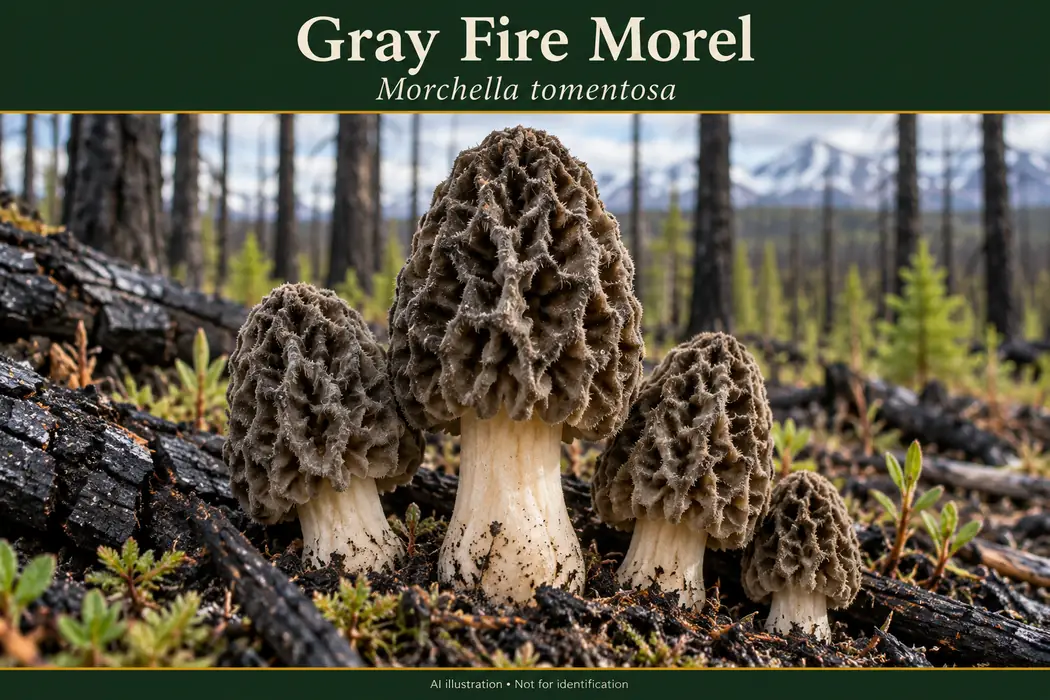 Species Guide
Alaska has many edible mushrooms, including morels, king boletes, golden chanterelles, hedgehogs, oyster mushrooms and bear’s head mushrooms. Most appear...
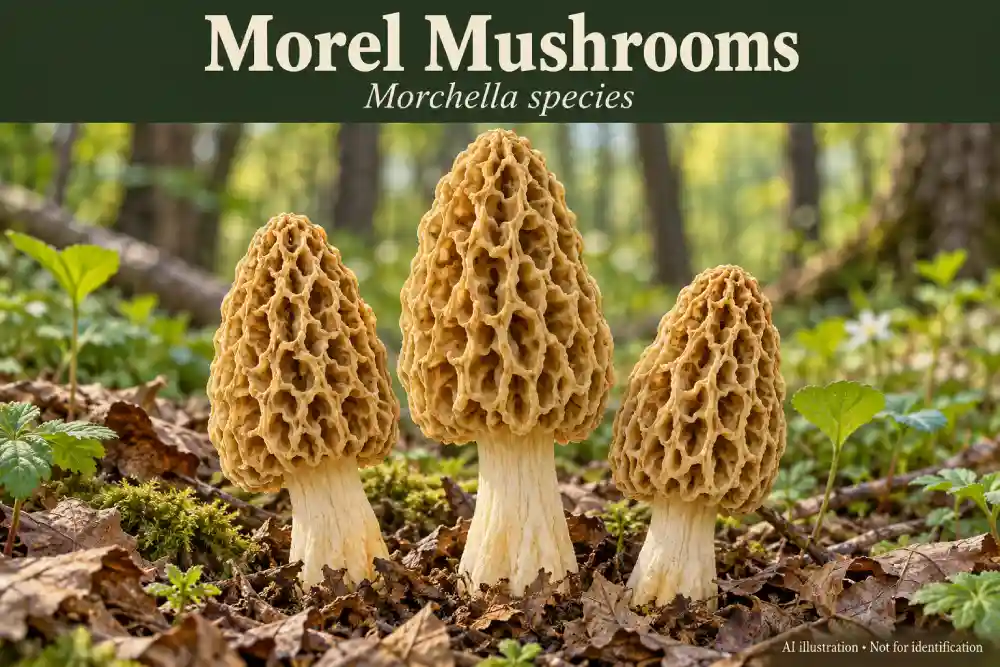 Species Guide
Wisconsin is home to edible mushrooms such as morels, chanterelles, oyster mushrooms, hen of the woods, chicken of the woods and giant puffballs. Different...
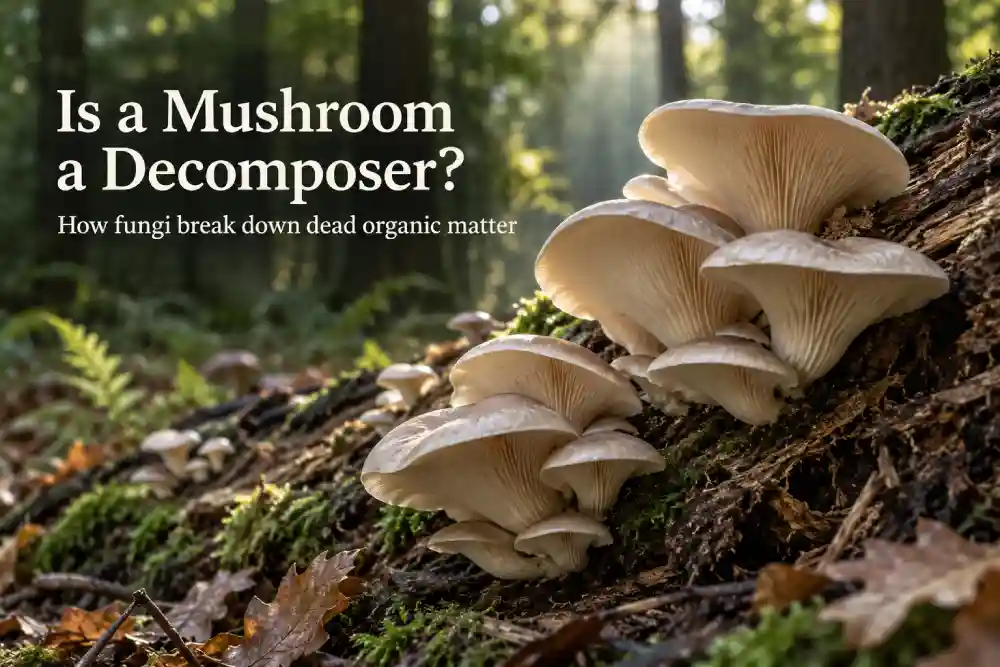 Species Guide
Is a Mushroom a Decomposer? Yes, many mushroom-forming fungi are decomposers. They break down dead wood, fallen leaves and other organic material, helping...