Chlorophyllum molybdites (Poisonous Lawn Mushroom) – Identification, Symptoms & Lookalikes

Nathan Cole
Mycologist · Author · Fungi Expert
Updated
Apr 11, 2026
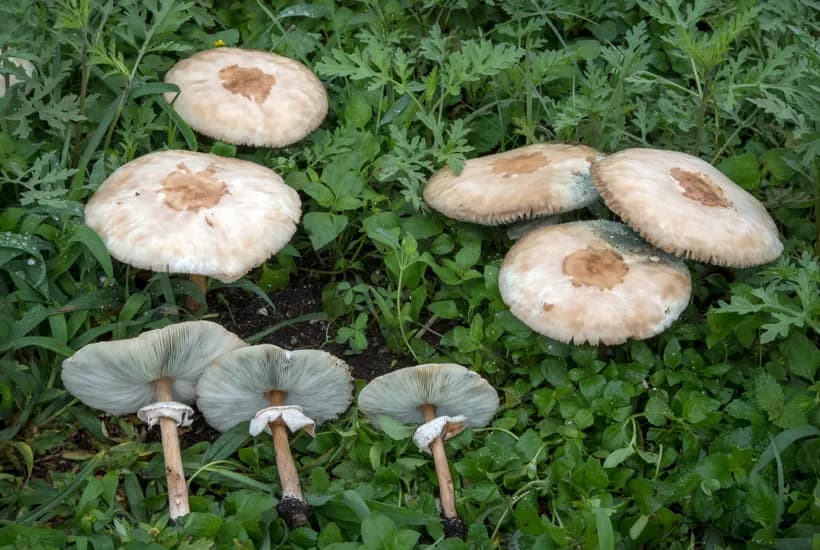
Chlorophyllum molybdites, commonly known as the poisonous lawn mushroom or green-spored parasol, is one of the most frequently ingested toxic mushrooms worldwide. It commonly grows in lawns, gardens, and parks, where it is often mistaken for edible parasol mushrooms. However, it causes severe gastrointestinal poisoning, making correct identification critical. The most reliable feature is its green spore print and greenish gills at maturity, which clearly distinguish it from edible lookalikes.
Scientific Classification & Taxonomy
| Kingdom | Fungi |
| Phylum | Basidiomycota |
| Class | Agaricomycetes |
| Order | Agaricales |
| Family | Agaricaceae |
| Genus | Chlorophyllum |
| Species | Chlorophyllum molybdites |
Closely related to other parasol-like mushrooms but differs in toxicity and spore color. The genus Chlorophyllum includes both edible and toxic species, making careful identification essential.
Key Features (Identification Essentials)
Cap Characteristics
- Color: White with brown scales
- Shape: Egg-shaped when young, convex, then flattening with age
- Size: 8–25 cm diameter
- Surface: Scaly, often cracked in mature specimens
Gills (Critical Feature)
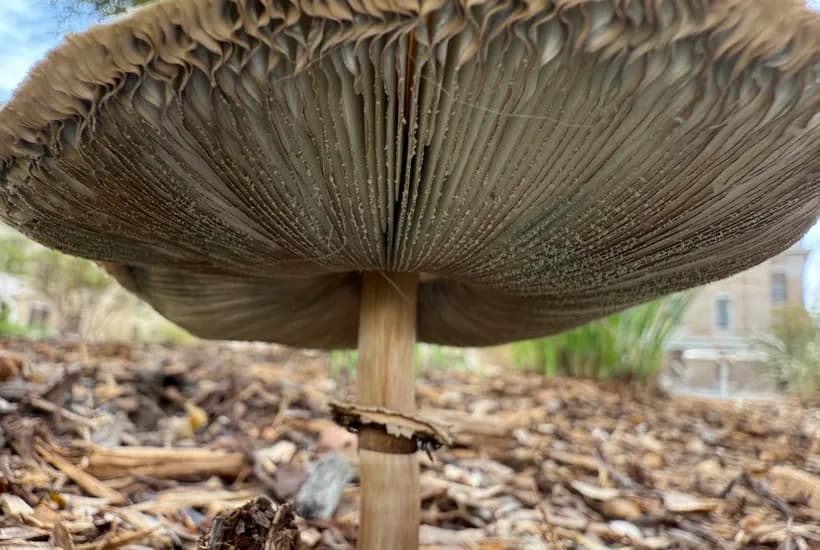
- Young: Start white
- Mature: Turn greenish as spores develop
- Attachment: Free from the stem
- Density: Crowded
Stem (Stipe)
- Height: Tall (10–20 cm)
- Color: White
- Ring: Movable, skirt-like ring on upper stem
- Base: Bulbous
- Texture: Smooth to slightly fibrous
Spore Print (Most Important ID Marker)
- Color: Green (unique and definitive identifier)
- No other common parasol-like mushroom produces a green spore print
Smell, Taste & Texture
Smell
- Mild, sometimes unpleasant
- Not as distinctive as other toxic species
Taste
- Not recommended (toxic)
- ⚠️ Never taste unknown mushrooms
Texture
- Soft cap flesh
- Fibrous stem
- Scaly cap surface
Physical Dimensions & Structure
Environment & Habitat
Habitat
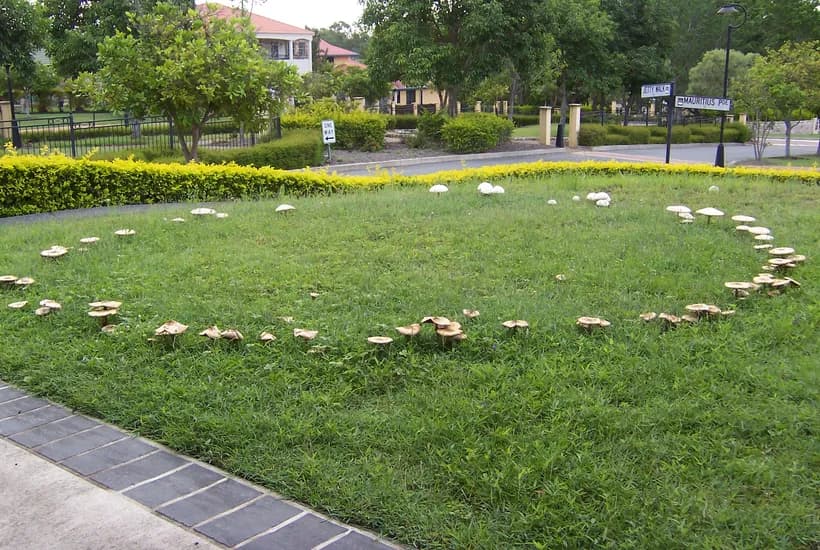
- Lawns and gardens
- Parks and golf courses
- Grassy open areas
Seasonality
- Summer to early autumn
- Often appears after rainfall
Growth Pattern
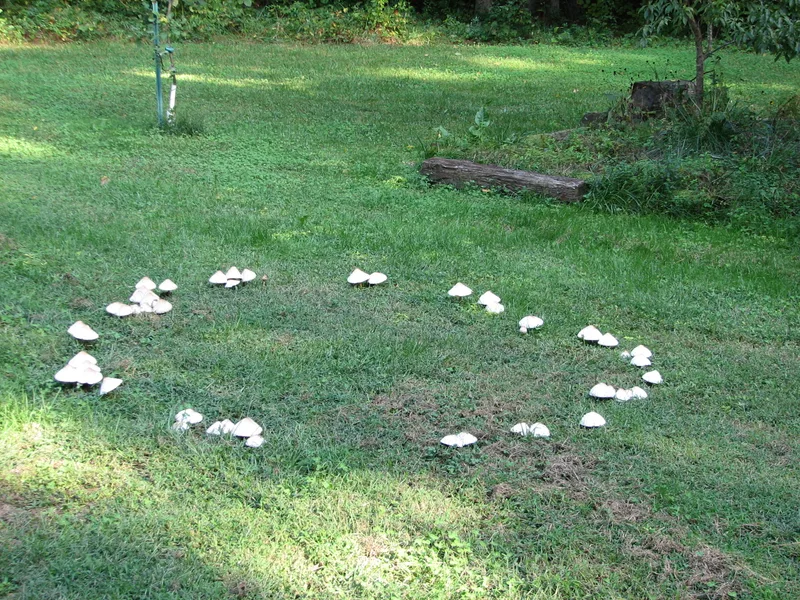
- In groups or fairy rings
- Scattered across grassy areas
Geographic Distribution
Toxicity & Health Risks
Toxic Effects
Causes severe gastrointestinal irritation through toxic compounds in the flesh and spores.
Symptoms of Poisoning
- Nausea and intense vomiting
- Severe diarrhea
- Abdominal pain and cramping
- Dehydration from fluid loss
Onset Time
Usually 1–3 hours after ingestion.
Risk Level Assessment
| Toxicity | 🔴 High |
| Fatality Risk | 🟠 Low |
| Misidentification Risk | 🔴 Very High |
| Edibility | ❌ Not edible |
Similar Species (Critical Comparison)
| Feature | Poisonous Lawn Mushroom | Parasol Mushroom (Edible) |
|---|---|---|
| Spore Print | Green | White |
| Gills | Greenish (mature) | White |
| Toxicity | Poisonous ☠️ | Edible ✓ |
| Habitat | Lawns, grassy areas | Forest edges, meadows |
| Cap Size | 8–25 cm | 10–30 cm |
Common Confusion Species
- Macrolepiota procera (Parasol Mushroom) — edible, white spore print, found in forest edges
- Other Chlorophyllum species — some edible, some not; spore print is critical
- Agaricus campestris (Field Mushroom) — edible, brown spore print, smaller cap
Growth Pattern & Life Cycle
Ecological Role
- Saprotrophic fungus
- Breaks down organic matter in soil
- Supports nutrient recycling in grasslands
Life Cycle
- Spores released into the environment
- Mycelium develops underground
- Fruiting bodies appear after rain
- Spores disperse through wind
Economic & Ecological Value
Ecological Importance
- Helps recycle organic nutrients
- Supports soil health in grasslands
- Part of the natural decomposition cycle
Economic Value
- No edible value (toxic)
- Important in toxicology studies
- Widely used in mycology education
Pros and Cons
Pros
- ✓ Easy to study due to abundance
- ✓ Plays a role in ecosystem health
- ✓ Distinctive green spore print aids identification
Cons
- ✗ Highly toxic — causes severe illness
- ✗ Frequently mistaken for edible mushrooms
- ✗ Common in residential areas (higher risk exposure)
How to Identify Chlorophyllum molybdites Safely
For extra safety, use a mushroom identifier tool or AI mushroom identification app to confirm species before handling or studying further. Always verify AI results with a physical spore print test.
Expert Identification Tips
- Always confirm with a spore print — it is the single most reliable test
- Avoid relying only on appearance — many edible parasols look nearly identical
- Check habitat carefully — lawns vs forests can narrow down the species
- Compare multiple features before deciding
Frequently Asked Questions
Is Chlorophyllum molybdites edible?+
Why is it called the poisonous lawn mushroom?+
How do you identify it quickly?+
Can it kill you?+
What should I do if I eat it?+
Can AI identify this mushroom?+
Final Thoughts
Chlorophyllum molybdites is one of the most commonly encountered toxic mushrooms in everyday environments. Its resemblance to edible parasol mushrooms makes it especially dangerous for beginners.
Understanding its green spore print, habitat, and growth pattern is essential for safe identification. Combining field knowledge with a reliable mushroom identifier tool can help prevent misidentification and ensure safer foraging practices.
Learn more about mushroom anatomy and identification features to build your knowledge, or explore our guide on why mushrooms grow in your yard to understand lawn mushroom growth patterns.
 GeneralYard Guide
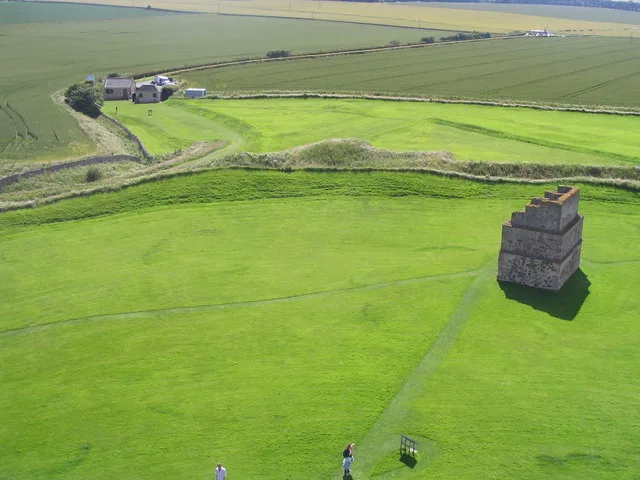
Mushrooms grow in your yard because underground fungi (mycelium) are actively breaking down organic matter in moist, shaded soil.
 GeneralLawn Guide
Remove lawn mushrooms fast by fixing moisture, drainage, and organic matter. Full step-by-step guide to stop mushrooms coming back.
 GeneralGuide
A mushroom identifier book helps you recognize fungi by cap shape, gills, habitat, season and spore print. Find the best field guide for your skill level.
Sign in to leave a comment and join the discussion.