Boletus edulis (Porcini Mushroom) – Identification, Edibility & Lookalikes

Nathan Cole
Mycologist · Author · Fungi Expert
Updated
Apr 11, 2026
What is Boletus edulis?
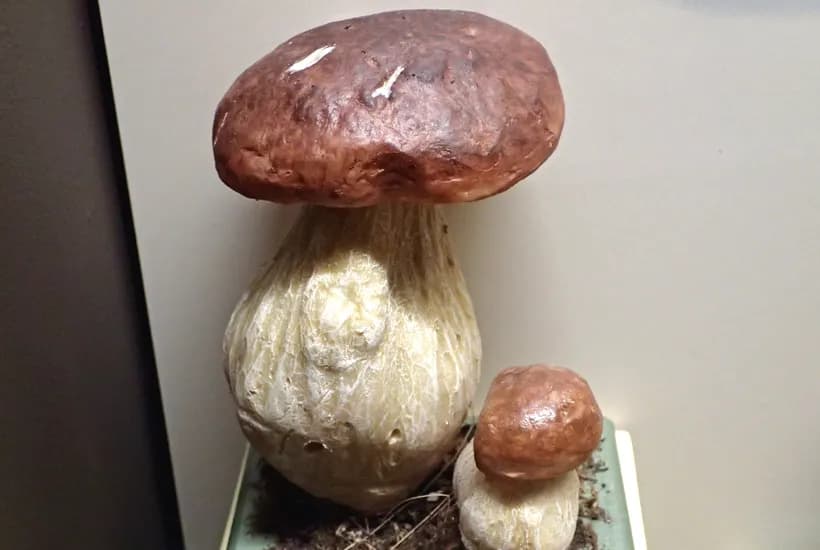
Boletus edulis, commonly known as porcini, cep, or king bolete, is one of the most prized edible mushrooms in the world. It is highly valued for its rich, nutty flavor, meaty texture, and culinary versatility, especially in Italian and French cuisine. Unlike many mushrooms, porcini has pores instead of gills, a thick stem, and a smooth brown cap.
For identification, key features include white pores that turn yellowish with age, a thick bulbous stem with a net-like pattern, and no color change when cut. While generally safe, confusion with bitter or inedible boletes is possible. Using a mushroom identifier tool or AI mushroom identification app can help confirm identification and improve foraging accuracy.
Scientific Classification & Taxonomy
| Kingdom | Fungi |
| Phylum | Basidiomycota |
| Class | Agaricomycetes |
| Order | Boletales |
| Family | Boletaceae |
| Genus | Boletus |
| Species | Boletus edulis |
The porcini belongs to the Boletus genus, which includes many edible and some inedible species. It forms part of a complex group often referred to as the Boletus edulis species complex, found across different continents with slight variations in appearance and habitat.
Key Features (Identification Essentials)
Cap Characteristics
The cap of porcini is smooth, slightly sticky when moist, and ranges from light brown to dark chestnut. It typically starts convex and becomes flatter with age. The size can vary widely, but mature caps often reach 10–25 cm in diameter, making it a large and noticeable mushroom in the wild.
- Shape: Convex when young, flattening with age
- Color: Light brown to dark chestnut
- Surface: Smooth, slightly sticky when moist
- Size: 10–25 cm diameter
Pore Surface (Instead of Gills)
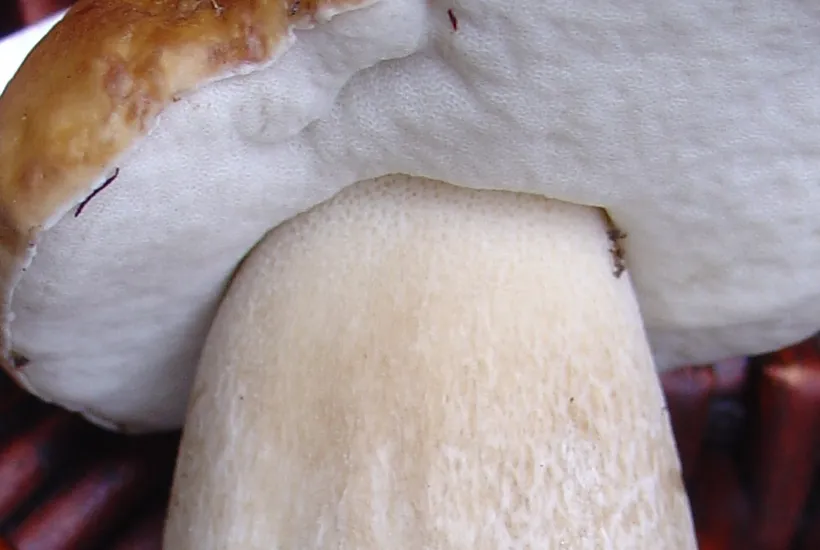
Instead of gills, porcini mushrooms have a spongy layer of pores underneath the cap. These pores are white when young and gradually turn yellow or olive-green with maturity. This is one of the most important distinguishing features from gilled mushrooms.
Stem (Stipe)
The stem is thick, bulbous, and often swollen at the base. It is typically white to light brown with a distinctive net-like (reticulate) pattern, especially near the top. This feature is key for identifying true porcini.
- Shape: Thick, bulbous, swollen at base
- Color: White to light brown
- Pattern: Net-like (reticulate) near top
- Height: 8–20 cm
Color, Smell & Texture
Porcini mushrooms are known for their pleasant, earthy aroma and firm texture. The flesh remains white when cut and does not change color, which helps differentiate it from some toxic lookalikes. The texture is dense and meaty, making it ideal for cooking and drying.
Environment & Habitat
Habitat & Distribution
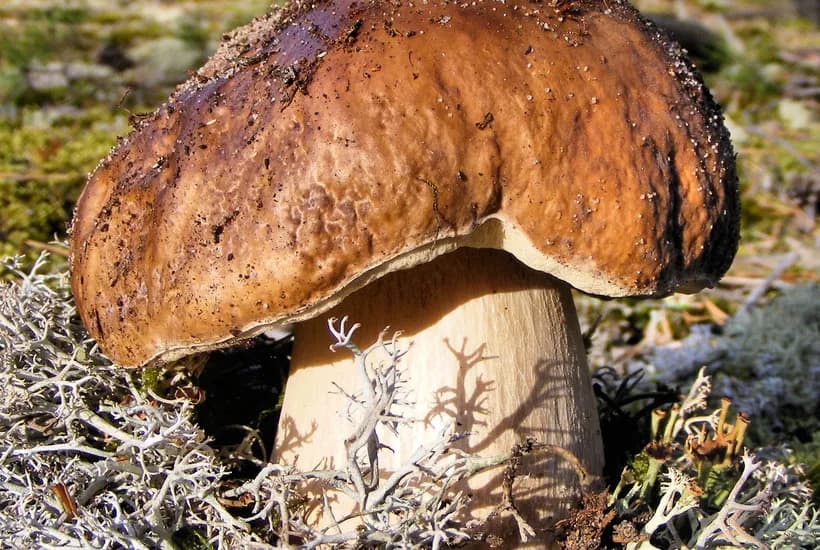
Porcini mushrooms are found across Europe, North America, and Asia, particularly in temperate forests. They grow in association with trees like pine, spruce, oak, and birch, forming symbiotic relationships that support forest ecosystems.
Seasonality
They typically appear from late summer to autumn, especially after rainfall followed by warm conditions. In some regions, they may also appear in spring depending on climate.
Growth Pattern
Porcini grow singly or in small groups, often near tree roots. They are mycorrhizal, meaning they form beneficial relationships with trees, exchanging nutrients through underground networks.
Physical Dimensions & Structure
| Feature | Measurement |
|---|---|
| Cap Diameter | 10–25 cm |
| Stem Height | 8–20 cm |
| Stem Thickness | 3–8 cm |
| Pores | Fine, sponge-like |
The overall structure is robust and heavy, often described as “king-sized” compared to many other mushrooms. Its thick stem and large cap make it easy to spot in suitable habitats.
Edibility & Nutritional Value
Is Boletus edulis edible? Yes — highly edible and considered a gourmet mushroom.
Culinary Uses
Porcini are widely used in risottos, pasta, soups, and sauces. They can be eaten fresh or dried, with drying intensifying their flavor significantly. They are a staple of Italian and French cooking and pair well with garlic, thyme, and cream-based dishes.
Nutritional Benefits
They are rich in protein, fiber, antioxidants, and essential vitamins like B-complex vitamins, making them both nutritious and flavorful.
Risk Level Assessment
| Factor | Level |
|---|---|
| Edibility | Excellent |
| Toxicity Risk | Low (with correct ID) |
| Misidentification Risk | Moderate |
| Fatality Risk | Low |
While porcini is safe when correctly identified, confusion with bitter or inedible species can ruin meals or cause mild discomfort. Always verify with a reliable mushroom identification app.
Similar Species (Critical Comparison)
Common Lookalikes
| Feature | Porcini (Boletus edulis) | Bitter Bolete (Tylopilus felleus) |
|---|---|---|
| Taste | Pleasant, nutty | Very bitter |
| Stem Pattern | Fine white net-like | Darker, coarser net |
| Pore Color | White → yellow-green | Pinkish |
| Flesh on Cut | No color change | May turn pinkish |
| Edibility | Excellent | Inedible (not toxic) |
One of the most common lookalikes is Tylopilus felleus (bitter bolete), which is not toxic but has an extremely unpleasant taste. Unlike porcini, it often has pinkish pores and a darker stem network. For more help identifying similar species, check our guide to deadly Leccinum mushrooms.
Growth Pattern & Life Cycle
Porcini mushrooms are mycorrhizal fungi, meaning they form symbiotic relationships with tree roots. This allows them to exchange nutrients, helping trees grow while receiving sugars in return. Their life cycle includes spore dispersal, underground mycelium growth, and seasonal fruiting bodies.
Did you know? Porcini cannot be cultivated commercially because they require living tree partners to grow. All porcini in markets are wild-harvested.
Regions Where It Is Found
Porcini mushrooms are widely distributed and especially abundant in temperate forests with suitable tree partners:
Economic & Ecological Value
Porcini mushrooms have significant economic value due to their demand in global cuisine. They are harvested commercially and sold fresh or dried. Ecologically, they play a vital role in forest health by supporting tree growth and nutrient cycling. Understanding mushroom parts and anatomy helps foragers better appreciate these ecological relationships.
Pros and Cons
Pros
- ✓ Highly edible and delicious
- ✓ Nutritionally rich in protein and vitamins
- ✓ Widely available in suitable habitats
- ✓ Dries well for long-term storage
Cons
- ✗ Seasonal availability only
- ✗ Can be confused with bitter bolete
- ✗ Requires proper identification knowledge
- ✗ Cannot be commercially cultivated
How to Identify Boletus edulis Safely
Step-by-Step Identification
For added safety, use a free mushroom identifier by photo to verify findings before consumption.
Expert Identification Tips
Always inspect multiple features rather than relying on one trait. Avoid mushrooms with red pores or those that stain blue when cut. Stick to known habitats and confirm with reliable tools or guides. For a comprehensive visual reference, consult our mushroom identification book recommendations.
Never eat a wild mushroom based on a single identification feature. Cross-reference cap color, pore type, stem pattern, habitat, and smell before consuming any foraged species.
People Also Ask (FAQs)
Is porcini mushroom safe to eat?+
What does porcini taste like?+
How do you identify porcini?+
Can beginners forage porcini safely?+
Where does porcini grow?+
Can AI identify porcini mushrooms?+
Final Thoughts
Boletus edulis is a top-tier edible mushroom known for its flavor, size, and global culinary value. Its distinctive features make it easier to identify than many species, but caution is still necessary.
By combining field knowledge with a reliable mushroom identifier tool, you can safely enjoy one of nature's finest wild foods while avoiding potential lookalikes.
Sign in to leave a comment and join the discussion.