Can Mushroom Coffee Raise Blood Pressure?

Nathan Cole
Mycologist · Author · Fungi Expert
Updated
Sep 25, 2026
Can Mushroom Coffee Raise Blood Pressure? A Mycologist's Honest Answer
The short answer is: it depends on the blend. Mushroom coffee can raise blood pressure if the caffeine content is high enough to activate the sympathoadrenal axis. It can also modestly lower it, depending on whether the dominant fungal species is Ganoderma lucidum or Cordyceps militaris, and at what extraction dose. The real variable is not the product category. It's which species you're consuming, how the extract was processed, and what medications you're already taking. If you're hypertensive, on antihypertensives, or using anticoagulants such as warfarin, this is not a decision to make without your physician.
What Is Mushroom Coffee?
Mushroom coffee is a blended product, typically instant or ground coffee combined with powdered extracts from one or more medicinal fungal species. The most common species in commercial blends are Ganoderma lucidum (reishi), Inonotus obliquus (chaga), Cordyceps militaris, Hericium erinaceus (lion's mane), Grifola frondosa (maitake), and Trametes versicolor (turkey tail). Some premium formulations include Lentinula edodes (shiitake) as a secondary ingredient.
The coffee component is real coffee. That matters more than most labels suggest, because caffeine is the single most pharmacologically active pressor compound in the cup, and its concentration varies widely between brands.
The functional claim behind mushroom coffee is that adaptogenic fungi blunt the stimulatory edge of caffeine while delivering their own bioactive compounds: primarily beta-glucans, triterpenes, polysaccharide-peptide complexes, and species-specific metabolites like cordycepin or ganoderic acids. Whether that claim holds up depends entirely on how the mushroom component was produced.
Fruiting Body Extract vs. Myceliated Grain
This distinction is the most important quality variable in the entire mushroom supplement market, and most consumers have no idea it exists.
A fruiting body extract is made from the actual mushroom, the sporocarp, the part you'd find growing on a tree or log in the field. This is where beta-glucan concentrations are highest, where ganoderic acids accumulate in Ganoderma lucidum, and where the full compound profile that research laboratories actually study is found.
Myceliated grain, sometimes labeled "mycelium biomass," is the vegetative root-like network grown on a grain substrate, typically oats or brown rice, then dried and powdered without separating the fungal tissue from the grain. The result is a product that is often 50 to 80 percent starch by dry weight, with significantly lower beta-glucan content than a proper fruiting body extract. Some manufacturers list "polysaccharide" content on the label, but starch is technically a polysaccharide. That number tells you almost nothing useful.
The practical upshot: if a mushroom coffee product doesn't specify "fruiting body" on the label and doesn't provide a third-party verified beta-glucan percentage, you're likely drinking a lot of oat starch with very little pharmacologically relevant fungal material.
For any cardiovascular discussion to be meaningful, the product needs to be a real fruiting body extract with a declared extraction ratio, typically 8:1 or 10:1, and a beta-glucan content of at least 20 to 30 percent on independent lab testing.
Hot-Water vs. Dual Extraction: Why It Changes the Compound Profile
Different bioactive compounds require different solvents to become bioavailable.
Beta-glucans and polysaccharide complexes are water-soluble. A standard hot-water extraction pulls these effectively from the fruiting body. This is the method I describe in detail in "Mycelium Running" (Ten Speed Press, 2005), and it forms the basis for most traditional medicinal preparations of Ganoderma lucidum and Inonotus obliquus across East Asian clinical traditions.
Triterpenes, including the ganoderic acids in reishi that carry the documented antihypertensive activity, are not water-soluble. They require an alcohol extraction step. A dual extraction (ethanol plus hot water, combined) captures both fractions.
This matters directly for the blood pressure question. If you want the ganoderic acids that modulate ACE activity and peripheral vascular resistance, you need a dual-extracted reishi product. A hot-water-only reishi extract will be high in beta-glucans but low in triterpenes. A product marketed simply as "reishi extract" without specifying the extraction method is giving you incomplete information.
The table below summarizes what each method captures for the species most relevant to cardiovascular function:
| Species | Key Cardiovascular Compound | Extraction Needed |
|---|---|---|
| Ganoderma lucidum (Reishi) | Ganoderic acids (triterpenes) | Dual extraction |
| Inonotus obliquus (Chaga) | Betulinic acid, beta-glucans | Dual extraction |
| Cordyceps militaris | Cordycepin, adenosine | Hot-water sufficient |
| Grifola frondosa (Maitake) | Beta-glucans, polysaccharides | Hot-water sufficient |
| Hericium erinaceus (Lion's Mane) | Erinacines, hericenones | Dual extraction |
Caffeine: The Primary Pressor Variable
Before we discuss the fungal species in your cup, we need to address the compound that reliably raises blood pressure in a dose-dependent fashion in most adults: caffeine.
Adaptogenic mushrooms are pharmacologically fascinating. Some of them have documented cardiovascular effects. But in a mushroom coffee blend, caffeine remains the dominant driver of any acute blood pressure response, and no amount of reishi triterpenes fully reverses that.
How Much Caffeine Is Actually in Mushroom Coffee Blends?
This varies more than you'd expect. Commercial mushroom coffee products range from as low as 50 mg of caffeine per serving (roughly half a standard cup of drip coffee) to products with 120 mg or more (comparable to a strong filtered coffee).
The reduction in caffeine is real in many blends, it just isn't always dramatic. Some brands use half-caf coffee as the base. Others use a lower coffee-to-mushroom-extract ratio. A handful blend with decaffeinated coffee.
For context, the American Heart Association notes that blood pressure responses to caffeine are most pronounced in caffeine-naive individuals and in people with existing hypertension. Regular daily caffeine consumers develop a partial tolerance to the pressor effect over time, though this tolerance is not complete and varies considerably between individuals based on genetic polymorphisms in adenosine receptor expression.
If you have Stage 1 hypertension (systolic 130-139 mmHg or diastolic 80-89 mmHg) or Stage 2 hypertension (systolic 140+ mmHg or diastolic 90+ mmHg) per current American Heart Association guidelines, the caffeine content of your mushroom coffee is the first number you need to find on the label. If it isn't there, contact the manufacturer before buying.
Mechanism: Adenosine Receptor Blockade and Sympathoadrenal Activation
Caffeine raises blood pressure through two converging pathways.
The primary mechanism is competitive antagonism at adenosine receptors, specifically the A1 and A2A subtypes. Adenosine is an endogenous vasodilator: it relaxes vascular smooth muscle and decreases heart rate. When caffeine blocks these receptors, that vasodilatory brake is removed. Peripheral vascular resistance increases. Cardiac output rises transiently. Systolic and diastolic pressure both climb.
The secondary mechanism is stimulation of the sympathoadrenal axis. Caffeine triggers catecholamine release (epinephrine and norepinephrine) from the adrenal medulla, amplifying the cardiovascular stress response and driving cortisol release. This is why caffeine feels alerting, and why it can trigger palpitations in sensitive individuals.
Now, here's where the Cordyceps story gets interesting. Cordyceps militaris contains cordycepin (3'-deoxyadenosine), a structural analogue of adenosine, along with free adenosine itself. These compounds act on the same adenosine receptors that caffeine blocks, but in the opposite direction: they are agonists at A2A receptors, promoting vasodilation. Whether cordycepin in a typical mushroom coffee dose is sufficient to meaningfully offset caffeine's adenosine antagonism is an open pharmacological question, and the research is not yet definitive.
What I can tell you with confidence: don't assume the mushroom component automatically neutralizes the caffeine. It doesn't in all circumstances, for all people, at all doses.
Species-by-Species Cardiovascular Profile
This is where the real complexity lives. "Mushroom coffee" is not one compound. It's a blend of several biologically distinct fungi, each with its own pharmacological profile, its own interaction risks, and its own relationship to blood pressure and vascular function. Treating the blend as a monolith is the single biggest error I see in generic health content about this product category.
Let me go through each major species individually.
Ganoderma lucidum (Reishi): Ganoderic Acids and Mild Antihypertensive Activity
Ganoderma lucidum, the lacquered bracket fungus central to East Asian medicinal traditions for over two thousand years, has the most robust cardiovascular research of any species in the mushroom coffee category. I want to be clear about what "robust" means here: the human clinical trial data is still limited, but the mechanistic evidence is solid and consistently points in the same direction.
The primary cardiovascular compounds in reishi are the ganoderic acids, a class of lanostane-type triterpenes concentrated in the fruiting body. Studies published in the Journal of Ethnopharmacology and Phytomedicine have demonstrated that specific ganoderic acids inhibit angiotensin-converting enzyme (ACE), the same enzymatic target as pharmaceutical ACE inhibitors like lisinopril and enalapril.
ACE converts angiotensin I to angiotensin II, a potent vasoconstrictor. Inhibit ACE, and you reduce angiotensin II, reduce vasoconstriction, decrease peripheral vascular resistance, and lower blood pressure. Pharmaceutical ACE inhibitors are among the most widely prescribed antihypertensive drug classes in the world. Ganoderic acids appear to work on the same pathway, with substantially lower potency.
The practical implication: if you're already prescribed an ACE inhibitor and you add a high-dose dual-extracted reishi product to your routine, you may be stacking two ACE-inhibitory inputs. In most people with mild hypertension, this might simply mean blood pressure runs slightly lower than expected. In elderly patients, those with borderline renal function, or anyone whose antihypertensive dose is carefully titrated, this stacking effect could produce symptomatic hypotension: dizziness, fainting, falls.
Reishi also contains beta-glucans, ergothioneine, and polysaccharide-peptide complexes with immunomodulatory properties. These are not directly pressor or hypotensive in isolation, but they contribute to the overall bioactive load of the blend.
Inonotus obliquus (Chaga): Betulinic Acid, Anticoagulant Risk, and Oxalic Acid Load
Chaga is not a true mushroom in the morphological sense. It's a sterile conk, a sclerotium, that erupts through the bark of birch trees (Betula spp.) as a mass of dense, melanin-rich mycelial tissue. In the field, it looks like a burnt, cracked piece of charcoal fused to the trunk. I've harvested it from paper birch in Alaska and yellow birch in the Appalachians, and the compound profile is consistent across both populations.
The compound receiving the most cardiovascular research attention is betulinic acid, a pentacyclic triterpene partially derived from the betulin in birch bark. Betulinic acid has demonstrated antiplatelet and anticoagulant activity in laboratory studies published in journals including Evidence-Based Complementary and Alternative Medicine. It inhibits platelet aggregation, which reduces clot formation risk but also increases bleeding risk, particularly when combined with pharmaceutical anticoagulants.
This is not theoretical. If you're on warfarin or heparin and you start consuming a Chaga-containing mushroom coffee daily, you are adding an anticoagulant input that your physician almost certainly doesn't know about and hasn't accounted for in your INR management. That is a serious clinical risk. Call Poison Control at 1-800-222-1222 if you experience unusual bruising or bleeding and have been combining Chaga products with blood thinners.
Chaga's second major risk is its oxalic acid content, which ranks among the highest of any commonly consumed fungal product. Oxalic acid binds calcium in the digestive tract and kidneys. In healthy individuals consuming moderate amounts, renal clearance handles this load without incident. In anyone with chronic kidney disease, a history of calcium oxalate kidney stones, or compromised renal function, daily Chaga consumption has been associated with progressive oxalate nephropathy. A case series published in Nephrology documented renal function deterioration in patients consuming Chaga extract chronically without renal monitoring.
For the blood pressure question specifically, Chaga's direct effect on blood pressure is less documented than reishi's or Cordyceps'. Its melanin content and polysaccharide fraction carry antioxidant properties, and oxidative stress is one driver of endothelial dysfunction and elevated blood pressure. But the route from antioxidant activity to meaningful blood pressure reduction in a clinical setting is long and uncertain. Don't choose Chaga for blood pressure management. It's not the right species for that goal.
Cordyceps militaris and Ophiocordyceps sinensis: Cordycepin, Adenosine Analogues, and Vascular Tone
Here's where it gets genuinely interesting from a vascular pharmacology standpoint.
Cordyceps militaris (the cultivated species in virtually all commercial mushroom coffee products) and its wild cousin Ophiocordyceps sinensis (the legendary caterpillar fungus, almost never used in mainstream supplements due to cost and supply constraints) produce a striking class of bioactive nucleoside analogues.
The most studied is cordycepin (3'-deoxyadenosine). As I mentioned in the caffeine mechanism section, cordycepin is structurally close to adenosine and appears to act as an agonist at adenosine receptors, particularly the A2A subtype, which promotes vasodilation in vascular smooth muscle.
Studies in Phytomedicine and Nutrients have examined Cordyceps extracts and their effects on vascular function in animal models and small human trials. The consistent finding is a vasodilatory effect: reduced peripheral vascular resistance, modest decreases in systolic blood pressure, and improvements in microvascular circulation. The proposed mechanism runs through adenosine receptor activation, enhanced nitric oxide bioavailability in endothelial cells, and reduced sympathetic tone.
For people who are hypercaffeinated and looking for a coffee alternative that doesn't spike blood pressure as aggressively, a Cordyceps-forward mushroom coffee blend, properly extracted, has a reasonable theoretical and preliminary empirical basis for producing a softer cardiovascular response curve than straight espresso.
That said, the human trial data is still early. Most studies used isolated Cordyceps extract at doses considerably higher than what you'd get from a typical mushroom coffee serving. We should be honest about that gap between laboratory findings and cup-in-hand reality.
Grifola frondosa (Maitake): Blood Pressure and Blood Sugar Modulatory Data
Grifola frondosa, the hen-of-the-woods, is one of my favorite edible species to forage. I've pulled specimens from the same white oak in western North Carolina four autumns running, and the fruiting bodies can reach extraordinary size. It's also pharmacologically active in ways that matter specifically to the metabolic syndrome population.
Maitake's primary bioactive fraction for cardiovascular purposes is its beta-glucan complex, particularly the D-fraction and SX-fraction polysaccharides. Research published in Nutrients and the Journal of Ethnopharmacology has linked maitake beta-glucan fractions to modest reductions in both blood pressure and fasting blood glucose in diabetic and pre-diabetic subjects.
The blood sugar connection matters for the blood pressure discussion because hyperglycemia and insulin resistance are independent drivers of hypertension through multiple pathways: increased sodium retention, sympathetic nervous system activation, and endothelial dysfunction. A compound that addresses insulin resistance even modestly can have downstream benefits for blood pressure regulation.
The interaction risk with maitake is its potential to compound the hypoglycemic effect of diabetes medications, including metformin, sulfonylureas, and insulin. If you're managing blood glucose pharmacologically and you add a maitake-containing mushroom coffee daily, monitor your blood sugar readings closely and inform your prescribing physician.
Hericium erinaceus (Lion's Mane): Limited Direct Cardiovascular Evidence
Hericium erinaceus is a stunning, cascading white fungus I've found growing on dying hardwood in the Pacific Northwest, the Appalachians, and throughout the upper Midwest. Its primary research interest is neurological: the erinacines and hericenones it produces are the only naturally occurring compounds identified so far that stimulate nerve growth factor (NGF) synthesis in the brain.
For cardiovascular and blood pressure purposes specifically, the direct evidence is thin. There are no robust human clinical trials demonstrating meaningful blood pressure effects from lion's mane extract at doses found in commercial mushroom coffee blends.
Its beta-glucan content contributes to immune modulation, and ergothioneine, which lion's mane contains in reasonable concentrations, is a potent antioxidant that may offer indirect cardiovascular benefit through protection against oxidative stress in endothelial tissue. But that's a long chain of inference, not a clinical finding.
I include lion's mane in this profile for completeness because it appears in many mushroom coffee blends and is aggressively marketed. For blood pressure management specifically, it is not the species doing the heavy lifting, and you should evaluate any blend based primarily on its reishi and Cordyceps content if cardiovascular function is your primary concern.
Can Mushroom Coffee Raise Blood Pressure?
Yes, it can. Under specific conditions, mushroom coffee is clearly capable of raising blood pressure, and understanding exactly when and why is the most practically useful information I can give you here.
Caffeine Dose-Dependent Pressor Response
The clearest mechanism is the simplest: caffeine raises blood pressure.
At doses of 100 mg or above, caffeine produces a measurable acute increase in systolic and diastolic pressure in most non-habituated adults. The magnitude depends on individual sensitivity, genetic variation in adenosine receptor density, and baseline blood pressure status. For someone with normal blood pressure (below 120/80 mmHg) who drinks coffee daily, the effect is modest and transient. For someone with Stage 2 hypertension who hasn't consumed caffeine regularly, the same dose can produce a clinically significant spike.
If your mushroom coffee contains 100 mg or more of caffeine per serving, which many popular blends do, you're consuming a pressor dose of caffeine. The mushroom fraction does not reliably neutralize this. Expecting a few hundred milligrams of mushroom extract to fully counteract the sympathoadrenal activation from a full caffeine dose is pharmacologically unrealistic.
The Adaptogen Misconception: Not All Adaptogens Are Hypotensive
The word "adaptogen" is one of the most overextended terms in the functional food space. It describes compounds that help the body maintain homeostasis under stress, specifically by modulating the hypothalamic-pituitary-adrenal (HPA) axis and the sympathoadrenal stress response. The implication often marketed is that adaptogens universally lower cortisol, calm the nervous system, and therefore lower blood pressure.
That's not quite right, and the error matters clinically.
Adaptogens are bidirectional modulators in the strict pharmacological sense. Under conditions of low physiological arousal, some adaptogens (notably Cordyceps) can increase energy and vascular tone. Under conditions of excessive stress, they may reduce cortisol reactivity. The same compound can produce different hemodynamic effects depending on the individual's baseline state.
Reishi has the strongest evidence for net hypotensive activity due to its ACE-inhibitory ganoderic acids. But Chaga, which is aggressively marketed as an adaptogen, has no robust clinical evidence for meaningful blood pressure reduction, and at high daily doses its sympathomimetic potential has not been adequately studied in hypertensive populations.
Don't assume that "adaptogenic" means "blood-pressure-lowering." It doesn't.
Chaga at High Doses: Sympathomimetic Potential
This is a less-discussed but genuinely important consideration for people consuming large quantities of Chaga-based products.
Chaga contains melanin, betulinic acid, polysaccharides, beta-glucans, and a range of phenolic antioxidants. Some of its phenolic compounds share structural characteristics with compounds that modulate catecholamine metabolism. At doses typically found in a single serving of mushroom coffee (often 200 to 500 mg of Chaga extract), this is unlikely to produce a meaningful pressor effect in healthy adults.
However, some consumers are stacking mushroom coffee with Chaga tinctures, Chaga tea, and separate Chaga capsule supplements simultaneously. The cumulative daily dose can reach several grams of concentrated Chaga extract. At those levels, we simply don't have adequate safety data for hypertensive populations, and the theoretical risk of amplifying sympathetic tone cannot be dismissed.
If you're taking Chaga in multiple forms daily, you have high blood pressure, and you're noticing elevated readings after starting Chaga products: discontinue and discuss with your physician. Contact Poison Control at 1-800-222-1222 if you experience a rapid or alarming change in blood pressure in conjunction with any mushroom supplement.
Can Mushroom Coffee Lower Blood Pressure?
In specific formulations, yes. The evidence is not strong enough to recommend mushroom coffee as an antihypertensive therapy, and I would never frame it that way. But the mechanisms are real, the preliminary human data is promising for several species, and for people with borderline or mildly elevated blood pressure who are also looking to reduce their straight-coffee caffeine intake, a well-formulated mushroom coffee blend has a credible rationale for producing a modestly lower blood pressure profile than their previous habit.
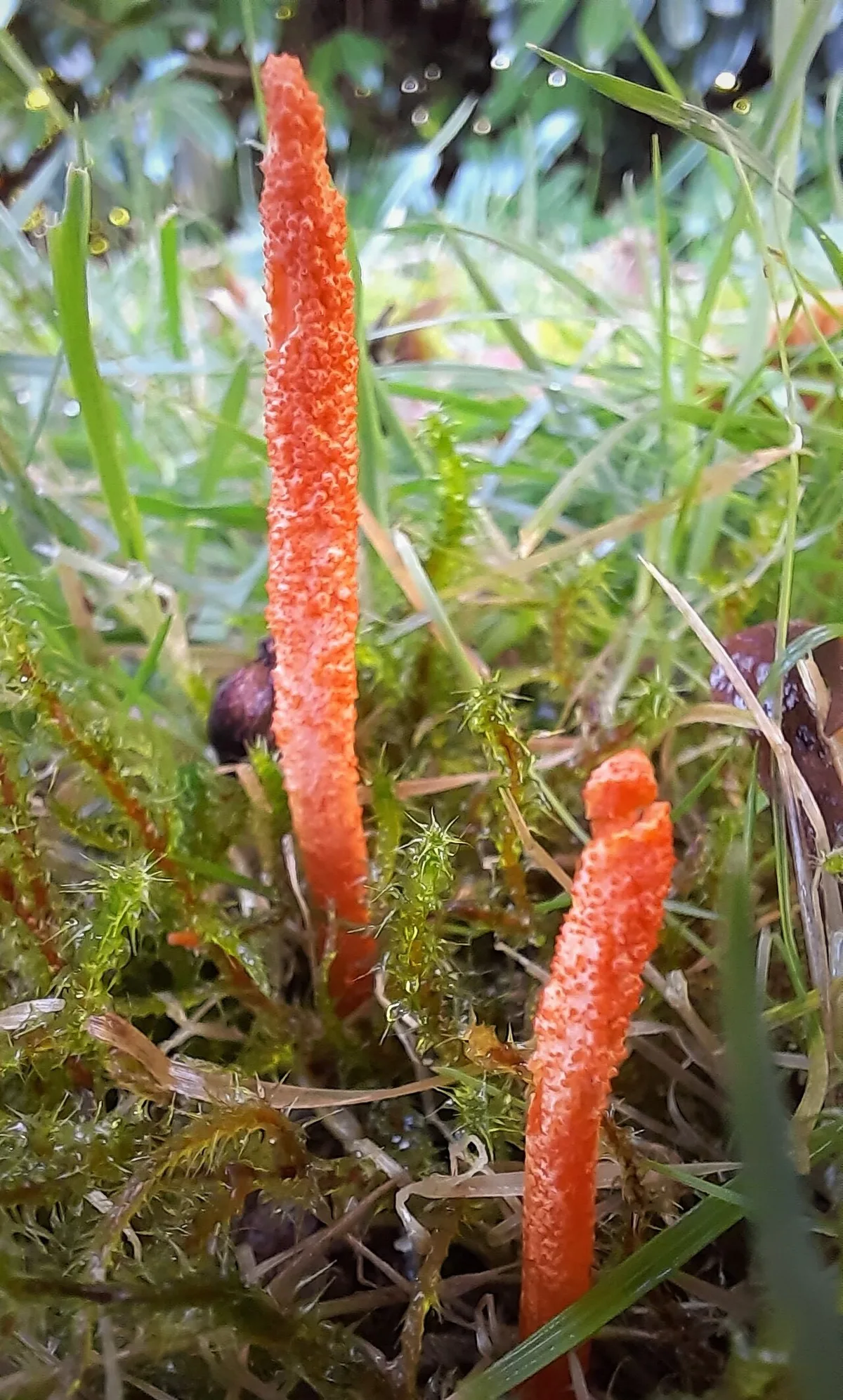
Source Credit: https://commons.wikimedia.org/wiki/File:Scarlet_Caterpillar_Club.Cordyceps_militaris(51656512528).jpg
Reishi's ACE-Inhibitory Triterpenes
Angiotensin-converting enzyme is a zinc metalloprotease that cleaves the C-terminal dipeptide from angiotensin I, producing the potent vasoconstrictor angiotensin II. Angiotensin II binds AT1 receptors on vascular smooth muscle, triggering contraction, which increases peripheral vascular resistance and raises both systolic and diastolic pressure. ACE also degrades bradykinin, a vasodilatory peptide. So ACE inhibition works on two fronts simultaneously: less vasoconstriction from angiotensin II, and more vasodilation from preserved bradykinin.
Ganoderic acids A, B, C, and several other identified triterpene fractions from Ganoderma lucidum have demonstrated competitive inhibition of ACE in in vitro assays and in animal models, with research published in the Journal of Ethnopharmacology and Phytomedicine confirming this activity. The potency is meaningfully lower than pharmaceutical ACE inhibitors like lisinopril, but it is not zero, and at doses achievable through daily dual-extracted reishi consumption, it represents a pharmacologically active input.
This is the most clearly documented blood-pressure-lowering mechanism in the mushroom coffee space. If you want antihypertensive activity from your functional coffee, reishi, specifically a dual-extracted fruiting body product with a declared triterpene content, is the species to prioritize.
Cordyceps Vasodilation via Adenosine Pathways
As described in the species profile, Cordyceps militaris contains both free adenosine and cordycepin, an adenosine structural analogue. These compounds bind adenosine receptors, primarily the A2A subtype in vascular smooth muscle, and trigger downstream signaling that relaxes arterial walls, reduces peripheral vascular resistance, and lowers blood pressure.
The evidence includes studies in Nutrients examining Cordyceps extract and endothelial function, and earlier work in Evidence-Based Complementary and Alternative Medicine looking at vascular smooth muscle relaxation in isolated tissue preparations. Human trials are limited in size but directionally consistent with the mechanistic expectation.
There's an elegant irony here: caffeine raises blood pressure partly by blocking adenosine receptors, and Cordyceps may modestly offset that effect by activating the same receptors through a structurally related agonist. Whether the net effect across a full serving of mushroom coffee tilts toward higher or lower blood pressure depends on the ratio of caffeine to Cordyceps extract and the individual's receptor density. That's why formulation details, specifically extraction ratio and species dose per serving, are not marketing fluff. They're pharmacologically meaningful numbers.
Chlorogenic Acids from Coffee: A Counterbalancing Hypotensive Factor
Here's a nuance that almost never appears in any discussion of coffee and blood pressure: the coffee component itself contains compounds with demonstrated hypotensive activity.
Chlorogenic acids are polyphenol antioxidants found in green coffee beans, present in reduced but still meaningful concentrations in roasted coffee. Controlled trials have shown that chlorogenic acid supplementation produces modest but statistically significant reductions in systolic blood pressure, with a meta-analysis published in the Journal of Human Hypertension confirming this effect across multiple trial cohorts.
The mechanism involves inhibition of glucose-6-phosphatase (relevant to blood sugar regulation), antioxidant protection of vascular endothelium, and evidence of direct vasodilatory activity through nitric oxide pathways.
So the cup in front of you contains caffeine (pressor), chlorogenic acids (mild hypotensive), ganoderic acids from reishi (ACE inhibition, hypotensive), and cordycepin from Cordyceps (A2A receptor agonism, vasodilatory). The net blood pressure effect is a summation of competing pharmacological inputs, weighted by dose, individual receptor pharmacology, and baseline cardiovascular status.
That is exactly why the answer to "can mushroom coffee raise blood pressure" is genuinely context-dependent, and why anyone giving you a flat yes or no without accounting for formulation and individual factors should be viewed with considerable skepticism.
Drug Interactions You Cannot Ignore
The species profiles covered individual pharmacology. Now let's talk about what happens when those compounds meet prescription medications. Because that's where the real clinical risk concentrates, and it's where the gap between "natural" and "safe" becomes genuinely dangerous.
Mushroom coffee is a daily habit for many people. Not an occasional treat. A daily cup, consumed alongside whatever medications they take in the morning. That frequency matters enormously because the interaction risks below are cumulative and dose-dependent, not one-off events.
Anticoagulants: Warfarin, Heparin, Chaga, and Reishi Stacking Risk
Both Inonotus obliquus and Ganoderma lucidum carry anticoagulant activity through separate but converging mechanisms. The betulinic acid pathway in Chaga and the ganoderic acid effects in reishi were covered in the species profiles. Here's what those mean in practice when warfarin enters the picture.
Warfarin works by inhibiting vitamin K-dependent clotting factors (II, VII, IX, and X). Its therapeutic window is narrow. Patients on warfarin have their INR (international normalized ratio) checked regularly because even small changes in diet or supplements can push the INR out of range in either direction.
Chaga's betulinic acid inhibits platelet aggregation through a separate pathway from warfarin, adding anticoagulant load without showing up cleanly in a standard INR test. Reishi's triterpenes have also demonstrated platelet aggregation inhibitory activity in studies published in Phytomedicine. You can be within your target INR range and still have meaningfully impaired hemostasis if you're stacking daily Chaga and reishi consumption with anticoagulant therapy.
The clinical consequence is increased bleeding risk: surgical complications, gastrointestinal bleeding, or hemorrhagic stroke in severe cases. Any patient on warfarin, heparin, or direct oral anticoagulants (DOACs) such as rivaroxaban or apixaban must inform their physician before adding any mushroom coffee product to their routine. If you experience unusual bruising, prolonged bleeding, or blood in urine or stool while combining these products with anticoagulant therapy, call Poison Control immediately at 1-800-222-1222.
Antihypertensives: ACE Inhibitors, Beta-Blockers, Calcium Channel Blockers
Three major antihypertensive drug classes interact with mushroom coffee compounds in distinct ways, and the risk profile differs by class.
ACE inhibitors (lisinopril, enalapril, ramipril) are the most directly relevant. Ganoderic acids from dual-extracted Ganoderma lucidum inhibit ACE through the same mechanism as these drugs. Stacking pharmaceutical ACE inhibition with daily reishi consumption may produce additive blood-pressure-lowering effects. In a patient whose ACE inhibitor dose is already well-controlled, this can translate to symptomatic hypotension: lightheadedness when standing (orthostatic hypotension), falls, or fainting. Elderly patients are particularly vulnerable here because baroreceptor reflex response is already blunted with age.
Beta-blockers (metoprolol, atenolol, carvedilol) work partly by reducing heart rate and cardiac output through beta-1 adrenoceptor blockade. Cordyceps militaris, with its adenosine and cordycepin content, also modulates cardiac rate through adenosine A1 receptor activity in the sinoatrial node. These two inputs acting simultaneously on heart rate regulation haven't been studied in formal drug-interaction trials. The theoretical risk is additive bradycardia in sensitive individuals, particularly at higher Cordyceps doses.
Calcium channel blockers (amlodipine, diltiazem, verapamil) reduce vascular smooth muscle tone by blocking calcium influx. Some triterpene compounds in reishi have shown calcium channel modulatory activity in preclinical research published in the Journal of Ethnopharmacology. The clinical significance at typical mushroom coffee doses is unknown, but it's another reason hypertensive patients on polypharmacy should loop in their physician before starting any mushroom coffee habit.
| Drug Class | Example Drugs | Mushroom Species of Concern | Interaction Risk |
|---|---|---|---|
| Anticoagulants | Warfarin, heparin, rivaroxaban | Chaga, Reishi | Additive bleeding risk |
| ACE Inhibitors | Lisinopril, enalapril | Reishi (ganoderic acids) | Additive hypotension |
| Beta-blockers | Metoprolol, atenolol | Cordyceps (adenosine, cordycepin) | Possible additive bradycardia |
| Calcium channel blockers | Amlodipine, verapamil | Reishi | Preclinical concern; clinical data limited |
| Antiplatelet drugs | Aspirin, clopidogrel | Chaga, Reishi | Additive platelet inhibition |
Maitake and Diabetes Medications: Hypoglycemic Compounding
Grifola frondosa has documented blood glucose-lowering activity through its D-fraction and SX-fraction polysaccharides, as covered in its species profile. The clinical interaction risk when maitake is consumed alongside diabetes medications deserves direct treatment here.
Sulfonylureas (glipizide, glibenclamide) stimulate pancreatic insulin secretion. Metformin reduces hepatic glucose output. Insulin itself lowers blood glucose directly. All three classes can cause hypoglycemia if the blood glucose-lowering effect exceeds what the body needs.
Maitake's beta-glucan complex enhances insulin sensitivity and reduces glucose uptake. It won't cause hypoglycemia on its own in a healthy individual. But combined with a sulfonylurea or insulin, it adds glucose-lowering pressure that wasn't there when the prescriber calibrated the original dose. The result can be blood glucose running lower than expected, with symptoms ranging from shakiness and sweating to confusion and, in severe cases, loss of consciousness.
This risk isn't limited to maitake. Lentinula edodes (shiitake) and Trametes versicolor (turkey tail) also contain polysaccharide fractions with demonstrated insulin-sensitizing properties in preclinical and limited clinical research. Any mushroom coffee blend with multiple beta-glucan-rich species carries compounding risk for patients managing blood glucose with medication.
If you have type 2 diabetes and you want to add mushroom coffee to your routine, check your blood glucose readings more frequently in the first two to four weeks. Bring your fasting and postprandial numbers to your next physician visit. Don't adjust your medication doses independently based on lower readings.
Who Should Be Cautious
I want to be direct here. The species in mushroom coffee are biologically active compounds. That's the entire point of them. Biological activity doesn't distinguish between the effect you want and the effect you don't. For most healthy adults with no cardiovascular disease, no blood pressure medications, and no significant comorbidities, moderate daily mushroom coffee consumption is unlikely to produce serious harm. For the populations below, the calculation is meaningfully different.
Hypertensive Patients (Stage 1 and Stage 2)
If you've been diagnosed with Stage 1 or Stage 2 hypertension, mushroom coffee is not automatically off-limits. But it requires a more careful approach than a healthy person with a clean medical history would need.
The caffeine component remains the primary concern. The acute pressor effect of caffeine is most pronounced in people with existing hypertension, and the degree to which the mushroom fraction offsets this effect depends entirely on formulation: which species, what extraction method, what dose per serving. Most commercial mushroom coffee products don't provide the compound-level detail needed to make a confident prediction for a hypertensive patient.
Practical guidance: if you have Stage 1 hypertension and you want to try mushroom coffee, start with the lowest-caffeine product you can find, ideally under 75 mg per serving. Monitor your blood pressure at home, morning and evening readings, for two to three weeks after starting. If you see a consistent upward trend in systolic pressure of 5 mmHg or more, discontinue and speak with your physician.
If you have Stage 2 hypertension, don't make this decision without a physician conversation first. The margin for error is smaller, the risk of a caffeine-triggered spike is higher, and your existing medication regimen adds interaction complexity.
Patients on Blood Thinners or Antiplatelet Drugs
The anticoagulant interaction mechanisms were covered in the previous section. Here I want to be practical about what this means for day-to-day decision-making.
If you're on warfarin: avoid Chaga-containing products entirely. The betulinic acid-mediated platelet inhibition, combined with your existing anticoagulant therapy, creates a bleeding risk that isn't adequately captured by standard INR testing alone. Reishi-containing products require discussion with your prescriber before starting.
If you're on clopidogrel or aspirin for cardiovascular event prevention: the same Chaga and reishi cautions apply, with the additional consideration that these antiplatelet drugs are typically prescribed because you've already had a cardiovascular event or are at high risk. The cost of a bleeding complication in that population is higher than in the general public.
If you're unsure what's in your mushroom coffee blend: read the ingredient panel carefully. "Chaga extract," "Inonotus obliquus extract," and "chaga mycelium" all refer to the same species. "Reishi extract," "Ganoderma extract," and "Ganoderma lucidum fruiting body" all mean reishi. If the label simply says "mushroom blend" without naming the individual species, that's a product to avoid entirely. You cannot assess interaction risk from a label that doesn't tell you what's actually in the blend.
Chronic Kidney Disease: Chaga's Oxalate Nephropathy Risk
This is the most underappreciated safety issue in the entire mushroom coffee category, and it's the one that has resulted in documented serious harm in the peer-reviewed literature.
Chaga's oxalic acid content is not a subtle risk. A case series published in Nephrology documented progressive renal function decline in patients consuming concentrated Chaga extract daily, with biopsy-confirmed calcium oxalate crystal deposition in renal tubules consistent with oxalate nephropathy. The patients in that case series had no prior history of kidney disease. The Chaga was the proximate cause.
For anyone with established chronic kidney disease (CKD), even Stage 1 or Stage 2, daily Chaga consumption should be considered contraindicated until prospective safety data in that population exists. The kidneys' oxalate clearance capacity is reduced in CKD, and cumulative crystal deposition risk is substantially higher than in individuals with normal renal function.
Patients with a history of calcium oxalate kidney stones fall squarely in the same high-risk category. A single cup of Chaga-containing mushroom coffee daily, consumed over months or years, represents a meaningful incremental oxalate load on kidneys that have already demonstrated a predisposition to crystal formation.
If you've been consuming Chaga-containing products and you have any kidney disease or stone history, bring this up at your next nephrology or primary care appointment and ask for a urine oxalate measurement and basic metabolic panel.
Pregnant and Breastfeeding Women
The honest position on mushroom coffee during pregnancy is this: we don't have adequate safety data for most of the species involved, and in the absence of that data, the conservative recommendation is avoidance.
Ganoderma lucidum has shown uterotonic activity in some preclinical studies, meaning it may stimulate uterine contractions. The dose-response relationship in humans is not established. That finding alone is sufficient reason to avoid daily reishi consumption during pregnancy, particularly in the first and second trimesters.
Cordyceps militaris, with its adenosine and cordycepin content, has demonstrated embryotoxic effects in high-dose animal studies. Translating animal dose data to human risk is never straightforward. But the principle of avoiding biologically active compounds with unestablished fetal safety profiles during pregnancy is sound clinical practice, not excessive caution.
Caffeine carries its own established pregnancy guidance. The American College of Obstetricians and Gynecologists recommends limiting caffeine to under 200 mg per day during pregnancy. Most mushroom coffee blends fall within that threshold per serving, but stacking mushroom coffee with other caffeinated beverages can push total daily intake over it.
For breastfeeding women, the same precautionary logic applies. Several bioactive compounds in Ganoderma, Inonotus, and Cordyceps have not been studied for transfer into breast milk or for effects on nursing infants. Until that data exists, the cautious path is clear.
What the Peer-Reviewed Research Actually Shows
I've cited individual studies throughout this article, but stepping back to give you an honest picture of where the research stands as a body of evidence is the right thing to do here. This is where real expertise requires intellectual honesty about what we know, what we suspect, and what we're genuinely uncertain about.
Strong Evidence vs. Preliminary Data: Honest Assessment by Species
The strongest cardiovascular evidence in the mushroom coffee category sits with Ganoderma lucidum, and even there, the human clinical trial data is limited in scale. The mechanistic work is solid: ACE inhibition by ganoderic acids is reproduced across multiple independent laboratory studies. A randomized controlled pilot trial published in Evidence-Based Complementary and Alternative Medicine found modest systolic blood pressure reductions in hypertensive subjects consuming standardized reishi extract over 12 weeks compared to placebo. Sample sizes were small. The results are directionally consistent with the mechanism. But they're not large-scale phase III clinical trial data, and we shouldn't pretend otherwise.
For Cordyceps militaris, the vascular evidence is similarly promising but early. Several small human studies examining exercise capacity, VO2 max, and cardiovascular efficiency in healthy athletes showed measurable improvements with Cordyceps supplementation, published in the Journal of Dietary Supplements and in Nutrients. Whether those findings translate directly to blood pressure effects in hypertensive individuals is an open question the current literature doesn't answer.
For Inonotus obliquus, the cardiovascular evidence is the weakest of the major species, despite chaga being among the most aggressively marketed. The antioxidant properties are well-documented. The anticoagulant activity is well-documented. The direct blood-pressure effects are not. Most of what circulates about Chaga and cardiovascular health is either preclinical (cell culture or animal models) or extrapolated from its antioxidant capacity through a long, uncertain chain of reasoning.
Grifola frondosa has the most interesting metabolic data of the group, particularly around glucose regulation and insulin sensitivity, with research published in Nutrition Research and the Journal of Ethnopharmacology. The connection to blood pressure through metabolic syndrome pathways is real, but it's a supporting mechanism, not a primary one.
Hericium erinaceus and Trametes versicolor have essentially no meaningful direct cardiovascular evidence at doses found in commercial products. Their presence in mushroom coffee blends serves neurological and immune function goals respectively. For the blood pressure question, they're bystanders.
| Species | Cardiovascular Evidence Level | Key Mechanism | Human Trial Quality |
|---|---|---|---|
| Ganoderma lucidum (Reishi) | Moderate | ACE inhibition via ganoderic acids | Small RCTs, consistent direction |
| Cordyceps militaris | Low-moderate | A2A receptor agonism, vasodilation | Small trials, mostly athletic populations |
| Grifola frondosa (Maitake) | Low-moderate | Beta-glucan, insulin sensitization | Small; indirect pathway to BP |
| Inonotus obliquus (Chaga) | Low | Antioxidant, anticoagulant | Mostly preclinical |
| Hericium erinaceus (Lion's Mane) | Very low | NGF stimulation, not cardiovascular | No relevant BP trials |
| Trametes versicolor (Turkey Tail) | Very low | Immune modulation | No relevant BP trials |
NIH and NCCIH Position on Medicinal Mushroom Supplements
The National Center for Complementary and Integrative Health (NCCIH), part of the National Institutes of Health, maintains a research portfolio on medicinal mushrooms and has published official assessments of several species discussed here.
Their current position on Ganoderma lucidum acknowledges the existing research on immune function and some cardiovascular parameters, while noting that evidence is insufficient to recommend reishi for treating any specific health condition. That's a fair summary of where the science stands: promising, mechanistically coherent, not yet at clinical certainty.
On Cordyceps, the NCCIH notes that most human trials are small, short-term, and focused on athletic performance rather than cardiovascular disease endpoints. The safety profile in healthy adults at typical supplement doses appears reasonable, but long-term safety data in patient populations with cardiovascular disease is absent.
The FDA classifies medicinal mushroom extracts as dietary supplements, not drugs. This means they don't undergo pre-market efficacy or safety review, they're not subject to pharmaceutical-grade manufacturing standards, and the label claims they carry (such as "supports healthy blood pressure") are not FDA-approved statements. The burden of quality evaluation falls entirely on the consumer, and the variability between products on the market is substantial.
The North American Mycological Association (NAMA) takes a measured position on medicinal mushroom claims, consistently emphasizing that species identification, extraction method, and standardized dosing all matter enormously for any meaningful evaluation of clinical effects. That position aligns precisely with everything I've laid out here.
How to Use Mushroom Coffee Safely If You Have Blood Pressure Concerns
If you've read this far, you understand that the answer isn't simply yes or no. It's: which blend, at what dose, for which person, with what medications and what cardiovascular history. Here's how to approach this practically.
Read the label completely before buying anything. You need to know:
- Which species are included (Latin binomial or unambiguous common name)
- Whether the mushroom component is a fruiting body extract or myceliated grain
- The extraction method (hot-water, dual extraction, or unspecified)
- The extraction ratio (8:1, 10:1, etc.)
- The beta-glucan percentage, verified by third-party testing
- The caffeine content per serving in milligrams
If any of these is missing, that's a product quality red flag. You're buying a black box. Find a brand with full transparency on these data points before committing to a daily habit.
If you're on any prescription medication, run the interaction checklist before your first cup, not after a month of daily consumption:
- On anticoagulants (warfarin, heparin, any DOAC): avoid Chaga entirely, and confirm reishi safety with your prescriber.
- On antihypertensives (any class): discuss with your physician and monitor blood pressure closely for the first month.
- On antiplatelet drugs (aspirin, clopidogrel): avoid Chaga and discuss reishi.
- On diabetes medications: monitor blood glucose more frequently and flag any consistent downward trend to your prescriber.
- On immunosuppressants (cyclosporine, tacrolimus): avoid Trametes versicolor (turkey tail), which has documented immune-stimulating activity that can counteract immunosuppression.
If you're starting with no medications and no cardiovascular conditions, start with a single serving per day and take your blood pressure at the same time each morning and evening for two to three weeks. You're looking for trends, not single readings. A consistent upward shift in systolic pressure of more than 5 to 8 mmHg after starting the product is a signal worth discussing with your physician.
Choose the lowest-caffeine option available if cardiovascular health is your primary reason for switching from regular coffee. The bioactive benefits of the mushroom fraction are real, but they don't justify a high caffeine load to access them. A blend with 50 to 75 mg of caffeine and a genuinely potent dual-extracted reishi fraction serves the cardiovascular goal far better than a high-caffeine blend with a negligible mushroom dose.
Finally, know when to stop. Unusual bruising, a new headache pattern, palpitations that weren't there before, or any blood pressure change that concerns you: discontinue the product and call your physician or Poison Control at 1-800-222-1222. Reporting suspected supplement-related adverse events to the FDA's MedWatch program at fda.gov/safety/medwatch also helps build the safety data this entire product category still urgently needs.
Final Verdict
Mushroom coffee can raise blood pressure. It can also lower it. And for many healthy adults with no significant cardiovascular history, it will do neither in any clinically meaningful way.
What determines the answer is not the product category but the specific variables inside it: how much caffeine per serving, which fungal species, whether the extraction method captured the right bioactive fractions at a meaningful dose, and what's happening in the individual body consuming it.
Reishi, in a properly dual-extracted fruiting body product, has the most credible antihypertensive mechanism of any species in this category. Ganoderic acids inhibit ACE through a real, reproduced mechanism, at lower potency than pharmaceutical antihypertensives but not at zero potency. Cordyceps militaris contributes vasodilatory activity via adenosine receptor pathways that may modestly counterbalance caffeine's pressor effect. These are not trivial findings. They're also not a replacement for blood pressure medication in anyone with established hypertension.
Chaga, for all its popular appeal, carries the most serious safety flags in these blends: anticoagulant activity that interacts with warfarin and antiplatelet drugs, and an oxalic acid load that poses genuine kidney risk in susceptible populations. Its direct effect on blood pressure is the least documented of the major species.
Caffeine is not solved by adding mushrooms. A 100 mg caffeine dose raises blood pressure in susceptible individuals regardless of what's blended into the same cup. If your goal is a lower-pressor morning beverage, the species profile of your blend matters, but so does the caffeine number on the label.
If you're healthy, curious, and want to try mushroom coffee: choose a transparent brand with verified fruiting body extracts, dual-extracted reishi, and a caffeine content under 75 mg. Monitor your blood pressure. Talk to your doctor if anything changes.
If you're hypertensive, on prescription medications, managing kidney disease, or pregnant or breastfeeding: don't make this decision based on any single article or product label. Have the conversation with your physician first, bring the specific product you're considering to that appointment, and let the interaction checklist above guide that discussion.
My mantra applies in the field and at the supplement shelf alike: there are old mushroom hunters, and there are bold mushroom hunters, but there are no old, bold mushroom hunters. Respect what these fungi are actually capable of, and proceed accordingly.
Mushroom Coffee vs. Regular Coffee: A Direct Blood Pressure Comparison
Let me start with practical numbers. A standard 8-oz cup of drip coffee contains roughly 80 to 100 mg of caffeine. A typical double espresso runs 60 to 80 mg. Commercial mushroom coffee products, as established earlier in this article, range from about 50 mg to 120 mg per serving, with most landing between 65 and 95 mg.
For most people switching from regular drip coffee to a mid-range mushroom coffee blend, the caffeine reduction is real but modest. Maybe 20 to 30 mg per serving. At that difference, the acute blood pressure effect is not dramatically different between the two products, particularly in daily coffee drinkers who have developed partial tolerance to caffeine's pressor response.
Where mushroom coffee genuinely diverges from regular coffee, in cardiovascular terms, is in what accompanies that caffeine. Regular coffee delivers caffeine plus chlorogenic acids plus small amounts of diterpenes (cafestol and kahweol in unfiltered preparations, mostly removed by paper filtration). Mushroom coffee delivers all of that, plus whatever bioactive fungal compounds survived the extraction process.
If the mushroom fraction is a high-quality dual-extracted reishi with significant ganoderic acid content, you've added a mild ACE-inhibitory input on top of the chlorogenic acids already present. The theoretical net cardiovascular profile of a properly formulated mushroom coffee is slightly more favorable than regular coffee. Not dramatically so, and not in a way that would matter therapeutically for a hypertensive patient. But the difference is pharmacologically real.
If the mushroom fraction is a low-quality myceliated grain product with negligible beta-glucan content and no meaningful triterpene fraction, you've essentially added expensive starch to your coffee. The blood pressure profile is then functionally identical to regular coffee, with caffeine driving the acute response and chlorogenic acids providing the same mild counterbalance they always did.
Head-to-Head: Blood Pressure Profile by Coffee Type
| Coffee Type | Caffeine Range | Primary Pressor Compound | Hypotensive Compounds | Net BP Tendency |
|---|---|---|---|---|
| Regular drip coffee | 80-120 mg | Caffeine | Chlorogenic acids | Mild acute increase |
| Double espresso | 60-80 mg | Caffeine | Chlorogenic acids | Mild acute increase |
| Mushroom coffee (low-quality blend) | 65-100 mg | Caffeine | Chlorogenic acids only | Functionally same as regular coffee |
| Mushroom coffee (dual-extracted, reishi-forward) | 50-80 mg | Caffeine | Chlorogenic acids, ganoderic acids (ACE inhibition), cordycepin (A2A agonism) | Modestly attenuated increase |
| Decaf mushroom coffee (verified fruiting body) | Under 15 mg | Negligible | Chlorogenic acids, ganoderic acids, cordycepin | Possible mild decrease |
The decaf mushroom coffee category is genuinely worth noting for hypertensive individuals who want the functional fungal compounds without meaningful caffeine exposure. Decaffeination processes can reduce polyphenol content in the coffee base, so a decaf product needs verified fruiting body extracts to compensate with meaningful bioactive delivery. For anyone managing Stage 1 or Stage 2 hypertension who wants to explore mushroom coffee, a low-caffeine or decaf formulation with dual-extracted reishi is the most defensible starting point.
Long-Term Cardiovascular Effects: What We Know and What We Don't
Everything discussed so far in this article addresses either acute blood pressure responses (what happens within hours of consumption) or the pharmacological mechanisms that make certain effects plausible. What I haven't addressed is what happens to cardiovascular health over months and years of daily mushroom coffee consumption. That omission isn't accidental. It's because the honest answer is: we largely don't know.
There are almost no long-term, one-year-or-more human prospective studies on mushroom coffee or its individual fungal components at doses found in commercial blends. The studies that exist are mostly short-term trials lasting four to twelve weeks, focused on specific outcomes like blood pressure, exercise capacity, or immune markers. Extrapolating from twelve-week data to lifetime cardiovascular risk is methodologically unsound, and I won't do it here.
What we do have is longer-term data on some isolated compounds, and population-level observations from East Asian communities with centuries of traditional Ganoderma lucidum and Cordyceps consumption. Neither of these is a direct proxy for a daily cup of commercial mushroom coffee, but they're the best signal currently available.
Beta-Glucan and Long-Term Cholesterol Effects
Beta-glucans have a more established long-term cardiovascular evidence base than any other compound in the mushroom coffee category, partly because oat beta-glucan has been extensively studied. The FDA has authorized a health claim for oat beta-glucan and reduced risk of coronary heart disease, based on its well-documented LDL cholesterol-lowering effect through bile acid sequestration in the gut.
Fungal beta-glucans from species like Grifola frondosa and Ganoderma lucidum carry different structural linkages (1,3 and 1,6 glucosidic bonds versus the 1,3 and 1,4 bonds in oat beta-glucan) and may not confer identical cholesterol-lowering effects. Studies published in the International Journal of Molecular Sciences have shown that fungal beta-glucan consumption over eight to twelve weeks is associated with modest reductions in total cholesterol and LDL in hyperlipidemic subjects. This matters for long-term cardiovascular health because LDL oxidation and endothelial deposition are core drivers of atherosclerosis and, downstream, of hypertension and major cardiovascular events.
Whether the beta-glucan content achievable through daily mushroom coffee consumption is high enough to produce meaningful long-term cholesterol effects remains uncertain. The daily beta-glucan doses showing efficacy in clinical trials are typically 3 to 10 grams. Most mushroom coffee servings deliver somewhere between 200 and 800 mg of total mushroom extract, with beta-glucan representing a fraction of that. Unless you're consuming a particularly high-volume, high-potency product, the cholesterol-modulating effect is likely modest at best.
Ergothioneine as a Long-Term Vascular Protector
Ergothioneine is one of the most interesting compounds in medicinal fungi from a long-term cardiovascular standpoint, and it's consistently overlooked in discussions that focus only on blood pressure.
Ergothioneine is a naturally occurring amino acid found in significant concentrations in Hericium erinaceus, Ganoderma lucidum, and Lentinula edodes. Humans cannot synthesize it. We obtain it exclusively through diet, primarily from fungi. Once consumed, it concentrates selectively in tissues under high oxidative stress, including vascular endothelium.
Research published in the Journal of Nutritional Biochemistry has documented ergothioneine's role as a cytoprotective antioxidant in vascular endothelial cells, with particular activity against oxidized LDL-mediated damage. Endothelial dysfunction driven by oxidative stress is one of the primary pathological processes underpinning both hypertension and atherosclerosis. A compound that concentrates specifically in endothelial tissue and protects against oxidative damage is, at minimum, a theoretically compelling long-term cardiovascular ally.
The clinical evidence for ergothioneine as a cardiovascular therapeutic is still early. But the basic science is strong, the compound has an excellent safety profile, and it represents the most interesting long-term cardiovascular argument for regular consumption of high-quality mushroom products. Worth noting: this argument applies equally to eating culinary mushrooms like shiitake and lion's mane as to drinking mushroom coffee.
What We Still Don't Know
The honest gaps in our long-term knowledge include:
- Whether daily ganoderic acid consumption produces sustained ACE inhibition or whether the body adapts, as can happen with chronic receptor modulation
- Whether cumulative Chaga consumption in healthy individuals produces subclinical oxalate deposition in the kidney over years, even at doses below the threshold for documented nephropathy
- Whether chronic adenosine receptor agonism from Cordyceps produces receptor downregulation over time, as can occur with prolonged agonist exposure in other receptor systems
- Whether daily mushroom coffee consumption meaningfully affects long-term cardiovascular event risk (heart attack, stroke) in hypertensive populations
These aren't rhetorical questions. They're genuine research priorities. Until prospective longitudinal data addresses them, anyone claiming confident long-term cardiovascular safety or benefit for mushroom coffee is working well beyond what the current evidence supports.
Lifestyle Factors That Change the Blood Pressure Equation
Pharmacology doesn't happen in a vacuum. The blood pressure effects of mushroom coffee, whatever direction they run for a given individual, are modified by what else is happening in that person's daily life. These interactions rarely appear in product marketing, but they matter considerably for anyone making an honest cardiovascular assessment.
Sodium Intake and Caffeine Amplification
High dietary sodium intake and caffeine interact in ways that are particularly relevant for hypertensive individuals. Research published in the American Journal of Hypertension has documented that caffeine's pressor response is amplified in salt-sensitive hypertensives compared to salt-resistant individuals. The mechanism involves caffeine's transient reduction in renal sodium excretion at certain doses, combined with already-elevated plasma sodium driving greater peripheral vascular resistance.
Practically: if you're consuming a high-sodium diet above the 2,300 mg per day ceiling recommended in the Dietary Guidelines for Americans at health.gov, and you drink a 90 mg caffeine mushroom coffee in the morning, your blood pressure response is likely larger than someone with equivalent baseline pressure eating a controlled-sodium diet. The mushroom fraction doesn't change this amplification.
Exercise and the Cordyceps Cardiovascular Interaction
Cordyceps militaris is the species with the most documented effect on athletic performance and cardiovascular efficiency. Studies in Nutrients and the Journal of Dietary Supplements have shown improvements in VO2 max, time to exhaustion, and lactate threshold in subjects supplementing with Cordyceps extract, with the mechanism converging on adenosine pathway-mediated improvements in mitochondrial oxygen utilization and vascular efficiency under load.
During sustained aerobic exercise, the vasodilatory effects of cordycepin and free adenosine are contextually appropriate: the cardiovascular system needs increased peripheral perfusion at the same time Cordyceps is promoting it. This is the context where Cordyceps performs best pharmacologically, active cardiovascular use rather than sedentary supplementation.
For hypertensive individuals who are physically inactive and using Cordyceps simply hoping for a resting blood pressure effect, the evidence is considerably thinner than for the exercising population. If you're taking mushroom coffee containing Cordyceps primarily for cardiovascular health, pairing it with consistent aerobic exercise makes physiological sense.
Alcohol and Anticoagulant Stacking
Alcohol independently inhibits platelet aggregation at regular consumption levels, through several mechanisms including reduced thromboxane A2 synthesis. The interaction concern here is cumulative: if you're consuming a Chaga-containing mushroom coffee in the morning and alcohol regularly in the evening, you're adding two separate platelet-inhibitory inputs daily. For a healthy individual not on pharmaceutical anticoagulants, this is unlikely to cause acute harm. For anyone already on warfarin, heparin, or direct oral anticoagulants, the combined anticoagulant load from three concurrent sources represents a real additive bleeding risk that warrants honest conversation with your physician.
Sleep Deprivation and Caffeine Sensitivity
Caffeine sensitivity increases substantially under sleep deprivation. Research from the Division of Sleep Medicine at Harvard Medical School has documented that sleep-deprived individuals show greater blood pressure spikes from equivalent caffeine doses compared to well-rested controls, driven by amplified sympathoadrenal response in the sleep-restricted state.
If you're drinking mushroom coffee during periods of poor sleep, whether from travel, illness, shift work, or stress, your blood pressure response to the caffeine component is likely larger than your well-rested baseline. The adaptogenic properties of the mushroom fraction, while theoretically relevant to stress response modulation, are not a reliable buffer against this physiological amplification.
Timing: Morning Cortisol and Caffeine Stacking
The hypothalamic-pituitary-adrenal axis follows a circadian rhythm. Cortisol peaks between approximately 8 and 9 AM in most people (the cortisol awakening response) and gradually declines through the morning. Consuming caffeine during this cortisol peak stacks two sympathoadrenal stimulants simultaneously and produces a larger pressor response than the same caffeine dose taken 45 to 60 minutes later, after the cortisol peak has begun its natural decline.
This matters practically because many mushroom coffee users consume it immediately upon waking. A short delay between rising and your mushroom coffee, combined with morning hydration, blunts both the cortisol peak's contribution and caffeine's pressor effect. For hypertensive individuals, this is a practical, zero-cost adjustment that requires no product change whatsoever.
The Forager's Perspective: Wild-Sourced vs. Cultivated Species and Cardiovascular Potency
I've spent over 40 years in the field collecting fungi across the Pacific Northwest, the Appalachian hardwood forests, the Olympic Peninsula, and coastal European habitats. One consistent lesson: the compound profile of a given fungal species is never fixed. It varies with geography, substrate, host tree species, seasonal conditions, and the physiological stress the fungus experienced during growth. These variables affect cardiovascular potency in ways the commercial mushroom coffee industry rarely acknowledges.
Ganoderma lucidum: How Substrate Shapes Ganoderic Acid Content
Wild Ganoderma lucidum in North America grows most commonly on the decaying roots and stumps of oak (Quercus spp.), maple (Acer spp.), and occasionally plum trees. The substrate tree matters because the fungus selectively incorporates compounds from its wood host, and different host trees contribute different precursor molecules to the triterpene biosynthesis pathway that produces ganoderic acids.
Commercially cultivated reishi for the supplement market is most often grown on sawdust logs or hardwood blocks in controlled environments. This produces consistent, predictable fruiting bodies with reasonable ganoderic acid content. However, studies comparing wild-harvested Ganoderma lucidum with cultivated equivalents, published in Mycologia and Fungal Diversity, have documented meaningful variation in triterpene profiles between substrates and geographic origins.
The practical implication: a "reishi extract" from an unspecified cultivation substrate may contain different ganoderic acid isomers in different ratios than the specific fractions studied in ACE-inhibition research. Until the supplement industry adopts standardized triterpene quantification as a routine label requirement, the ACE-inhibitory potency of any given reishi product remains an educated estimate rather than a verified figure.
Inonotus obliquus: Why Birch Matters
The Chaga situation is more stark. Authentic wild Inonotus obliquus is a sclerotium that develops over years on living birch trees (Betula spp.), accumulating betulinic acid, melanin, beta-glucans, and oxalic acid through a process directly tied to its birch host. The betulin precursor for betulinic acid biosynthesis comes from birch bark. No birch, no authentic betulinic acid profile.
Cultivated "Chaga" grown on grain substrates or non-birch wood produces a product that may share the name and some superficial characteristics with wild Chaga, but betulinic acid content is dramatically lower. For the blood pressure and anticoagulant discussion throughout this article, this cuts both ways: cultivated Chaga carries reduced anticoagulant risk from lower betulinic acid, but also lacks the compound profile that any serious wild-harvest research was based on. If a product can't specify wild-harvest birch origin, the research literature on wild Chaga doesn't apply cleanly to it.
Ophiocordyceps sinensis vs. Cordyceps militaris: A Distinction the Industry Glosses Over
Wild Ophiocordyceps sinensis, harvested in the high-altitude grasslands of the Tibetan Plateau and Himalayan foothills, is the species with the longest traditional medicinal history and the most concentrated cordycepin and adenosine content per gram of tissue. It parasitizes specific ghost moth larvae, overwinters in the host, and emerges in spring. The wild harvest is genuinely extraordinary, which is why it commands thousands of dollars per kilogram.
It is also effectively inaccessible for commercial supplement production at scale. What you find in mushroom coffee is Cordyceps militaris, a related but biologically distinct species cultivated efficiently on liquid or solid substrates. Cordyceps militaris does contain cordycepin and adenosine, and it does have documented vascular effects, as covered throughout this article. But its compound profile is not identical to Ophiocordyceps sinensis, and studies conducted on the wild species cannot be straightforwardly applied to the cultivated one. The NCCIH maintains this distinction in its research summaries. It's a distinction worth knowing when evaluating any cardiovascular claim tied to "cordyceps" as a generic category.
Authentication and What the Consumer Can Actually Verify
The only reliable authentication tools available to consumers buying commercial mushroom coffee are third-party certificates of analysis (CoA) with HPLC-verified compound profiles, DNA barcoding confirmation of species identity (increasingly offered by quality manufacturers), and beta-glucan content verified by independent laboratory assay rather than the manufacturer's own internal testing.
The North American Mycological Association recommends consulting David Arora's "Mushrooms Demystified" (Ten Speed Press) for morphological species confirmation in the field, and iNaturalist for photographic comparison with research-grade community observations. Neither of these tools applies to processed supplement forms. For commercial products, third-party analytical verification is the only meaningful quality check a consumer has. If a brand can't or won't provide it, the cardiovascular claims on the label are unsupported.
Frequently Asked Questions
Does mushroom coffee raise blood pressure?
It can, primarily through its caffeine content. Caffeine in mushroom coffee blends, typically 50 to 120 mg per serving, is a documented pressor agent at doses above roughly 100 mg in non-habituated adults. The fungal fraction, particularly reishi and Cordyceps, introduces competing hypotensive inputs through ACE inhibition and adenosine receptor agonism respectively. These do not reliably neutralize caffeine's pressor effect in all individuals. The net result depends on the specific formulation, individual caffeine tolerance, and baseline blood pressure status.
Is mushroom coffee safe for people with high blood pressure?
Not automatically. People with Stage 1 or Stage 2 hypertension should approach mushroom coffee with the same caution they'd apply to any caffeinated beverage, plus additional attention to the fungal species in the blend. Chaga and reishi both interact with anticoagulant and antihypertensive medications respectively, as covered in the drug interactions section above. Anyone with hypertension already on prescription medication should discuss the specific product with their physician before starting. If you have hypertension and no current medications, begin with a low-caffeine formulation, monitor blood pressure for two to three weeks, and discontinue if readings trend consistently upward.
Which ingredient in mushroom coffee is most likely to affect blood pressure?
Caffeine, without question. The fungal bioactives (ganoderic acids, cordycepin, adenosine, betulinic acid) all have pharmacological relevance to cardiovascular function, but caffeine is present in every blend at doses that are clinically significant for blood pressure in susceptible individuals. The fungal compounds are present in amounts whose clinical potency varies enormously by product quality and extraction method. If blood pressure management is your primary concern, the caffeine number on the label deserves more scrutiny than the mushroom species list.
Can reishi mushroom lower blood pressure?
Dual-extracted Ganoderma lucidum fruiting body, containing verified ganoderic acid concentrations, has demonstrated ACE-inhibitory activity in both laboratory research and small human trials published in the Journal of Ethnopharmacology and Phytomedicine. The effect is real but modest compared to pharmaceutical antihypertensives. Reishi should not be treated as a replacement for prescribed blood pressure medication. It may be a useful adjunct for individuals with borderline blood pressure exploring a dietary approach under physician supervision. Anyone already on ACE inhibitors must consult their prescriber before adding reishi products, due to the risk of additive hypotensive effects.
How much caffeine does mushroom coffee have compared to regular coffee?
Most commercial mushroom coffee blends contain 50 to 95 mg of caffeine per serving, compared to 80 to 120 mg in a standard 8-oz drip coffee and 60 to 80 mg in a double espresso. The reduction is real in most products but modest. Some brands use decaffeinated coffee as the base, reducing caffeine to under 15 mg per serving. If caffeine reduction is specifically your goal for blood pressure management, a decaf mushroom coffee with verified fruiting body extracts is a more meaningful choice than a standard half-caf blend.
Is chaga mushroom safe for people on blood thinners?
No, not without direct physician oversight and explicit clearance. Inonotus obliquus contains betulinic acid, which inhibits platelet aggregation through a mechanism that is separate from but additive to the anticoagulant action of warfarin, heparin, and direct oral anticoagulants. Daily Chaga consumption in a patient on anticoagulant therapy increases bleeding risk in ways that may not be fully captured by routine INR monitoring. Call Poison Control at 1-800-222-1222 if you experience unusual bruising or bleeding while combining Chaga products with blood thinners.
Can I drink mushroom coffee if I take blood pressure medication?
It depends on which medication class you're taking and which species are in your blend. ACE inhibitors interact with reishi (potential additive hypotension). Beta-blockers interact theoretically with Cordyceps (possible additive bradycardia through sinoatrial node adenosine A1 receptor effects). Calcium channel blockers show preclinical concern with reishi, though clinical significance is unestablished. Anticoagulants carry real additive bleeding risk with both Chaga and reishi. For any of these medication classes, the conversation needs to happen with your prescribing physician before you start daily mushroom coffee consumption. Bring the specific product label to that appointment.
Does lion's mane mushroom affect blood pressure?
Not directly, based on current evidence. Hericium erinaceus is primarily researched for its neurological properties, specifically its stimulation of nerve growth factor (NGF) synthesis through erinacine and hericenone content. There are no robust human clinical trials demonstrating meaningful blood pressure effects from lion's mane at doses found in commercial products. Its ergothioneine content may offer indirect long-term cardiovascular benefit through antioxidant protection of vascular endothelium, but that's a long-term theoretical benefit, not a clinically demonstrated blood pressure effect.
Is mushroom coffee safe during pregnancy?
The conservative recommendation is avoidance, beyond the caffeine considerations. Ganoderma lucidum has shown uterotonic activity in preclinical studies. Cordyceps militaris has demonstrated embryotoxic effects in high-dose animal models. Human dose-response data for both species in pregnancy does not exist. The American College of Obstetricians and Gynecologists recommends limiting total daily caffeine to under 200 mg during pregnancy, which most single-serving mushroom coffees satisfy on caffeine grounds alone. But the absence of fetal safety data for the fungal bioactives is sufficient reason to avoid the product during pregnancy and breastfeeding until that data exists.
How quickly does mushroom coffee affect blood pressure?
The caffeine-driven pressor effect begins within 15 to 45 minutes of consumption and typically peaks around 60 minutes, then gradually dissipates over three to five hours depending on individual caffeine metabolism, which is governed largely by CYP1A2 enzyme activity and varies considerably between individuals. The fungal bioactive effects operate on longer time scales. Ganoderic acid ACE inhibition may accumulate with daily use over days to weeks. Cordyceps adenosine receptor effects are more acute but still slower than caffeine's direct sympathoadrenal response. If you're monitoring blood pressure in response to mushroom coffee, take readings at 30, 60, and 90 minutes post-consumption to capture the full caffeine arc, and track fasting morning readings over several weeks to capture any cumulative fungal effects.
Sign in to leave a comment and join the discussion.
 Guide
GuideCan Chickens Eat Mushrooms? Yes — but with conditions. Chickens can safely eat certain mushrooms, like button, oyster, shiitake, portobello, and cremini....
 Guide
GuideMedicinal mushroom identification means accurately recognizing fungi with proven health-supporting compounds —and distinguishing them from toxic lookalikes....
 Guide
GuideHow Many Mushroom Gummies Should I Eat: A Practical Guide Straight answer: how many mushroom gummies should i eat depends entirely on what's actually in the...