The Ganoderma lucidum Group: Complete Field and Medicinal Guide to Reishi in North America

Nathan Cole
Mycologist · Author · Fungi Expert
Updated
Apr 29, 2026
The Ganoderma lucidum group is not a single species. It's a complex of at least a dozen related polypore fungi, including Ganoderma tsugae, Ganoderma sessile, Ganoderma curtisii, and Ganoderma oregonense in North America, plus Ganoderma sinense and Ganoderma lucidum sensu stricto in Asia. All produce lacquered, shelf-like fruiting bodies collectively called reishi or lingzhi. They grow on dead or dying hardwoods and conifers, produce rust-brown spore prints, and carry bioactive compounds including beta-D-glucans and triterpenes like ganoderic acids. If you've found one in North America, it's almost certainly not true G. lucidum s.s.
This guide covers every species in the complex, full field identification by pileus, stipe, pore surface, and spore print, laboratory confirmation through microscopy and ITS sequencing, dangerous lookalikes including Ganoderma applanatum and Fomitopsis pinicola, bioactive compounds, traditional use, drug interactions, commercial product quality, and cultivation. Work through it systematically and you'll have a genuinely functional understanding of one of the most commercially important and taxonomically confused fungi on earth.
What Is the Ganoderma lucidum Group?
I've been pulling reishi off hemlock logs in the Cascade foothills since the early 1980s, and for years I called every laccate, shelf-forming polypore Ganoderma lucidum. So did everyone else. The field guides did it. The supplement industry did it. Academic papers did it. The entire Western reishi conversation was built on a species name that, for North American specimens, was almost always wrong.
That's changed. Multi-locus phylogenetics and ITS (internal transcribed spacer) sequencing through the late 1990s and 2000s, with landmark work published in Mycologia and Fungal Diversity, dismantled the old single-species concept and revealed what we now call the Ganoderma lucidum group: a cluster of morphologically similar but genetically distinct species distributed across temperate and subtropical regions worldwide.
The group sits within the family Ganodermataceae and is defined loosely by shared macroscopic and microscopic characters: a laccate (varnished) pileus surface, a trimitic hyphal system, distinctively ornamented basidiospores with a truncate apex and double cell wall, and a white to pale context with corky-fibrous texture. But shared characters don't mean identical species, and the pharmacological consequences of mixing them up are real.
Why "Group" and Not a Single Species
The "group" designation in mycology signals something specific: a set of species that look so similar macroscopically that they've historically been lumped together, but which molecular data now separates cleanly. In the G. lucidum group, the molecular boundaries don't always align neatly with visible morphology. Two specimens collected twenty feet apart on the same log, from different regions, could belong to different species with meaningfully different secondary metabolite profiles.
Bao-Kai Cui and collaborators have published extensively on this in Fungal Diversity, and the picture gets more complex with each new study. The upshot for anyone foraging or buying reishi products is straightforward: species identity matters, especially if you're using the material medicinally and relying on research conducted on one particular taxon.
There are currently somewhere between 10 and 80 recognized species in the genus Ganoderma, depending on which species concept you're applying and which regional monograph you're reading. The lucidum group specifically is the most commercially important cluster, which is exactly why the taxonomic confusion has persisted so long. Nobody in the supplement industry had a financial incentive to correct the label.
The North American Identity Problem: You Probably Don't Have Ganoderma lucidum s.s.
This is the part that genuinely bothers me every time I walk through a health food store.
Ganoderma lucidum sensu stricto, the true reishi, is primarily an Asian species. Its documented native range centers on China, Japan, Korea, and Taiwan, growing on dead or dying hardwood stumps, particularly Quercus (oak) and Fagus (beech) species. While reports of true G. lucidum from Europe and occasionally North America exist in the literature, most of those records predate modern molecular work and are now considered suspect.
What grows on Tsuga canadensis (eastern hemlock) in the Appalachians and the Northeast is Ganoderma tsugae. What fruits from wounded oaks and maple stumps across the eastern hardwood belt is most likely Ganoderma sessile or Ganoderma curtisii, depending on your latitude. Out in the Pacific Northwest, the large specimens I find on fallen Tsuga heterophylla (western hemlock) are Ganoderma oregonense.
None of these are G. lucidum s.s. They look similar. They share many bioactive compound classes. But the published pharmacological research, including the clinical trial data on immune modulation and the studies on ganoderic acids that everyone cites, was conducted overwhelmingly on authenticated Asian G. lucidum s.s. material, much of it cultivated under controlled conditions in China and Japan.
Whether the North American species complex delivers equivalent bioactive profiles in equivalent concentrations is genuinely unresolved. The International Journal of Medicinal Mushrooms has published work suggesting partial overlap, but "partial overlap" isn't the same as "equivalent therapeutic activity." Anyone selling you a North American reishi product and citing Asian clinical research without acknowledging that gap is cutting corners. I've said that in lectures, I've written it in my books, and I'll keep saying it until the industry catches up.
Species in the Complex
Understanding the individual members of this group is the foundation of everything else: correct identification, habitat targeting, host-tree associations, and meaningful comparison of research data. Here's how I think about each one when I'm in the field or talking to a supplier.
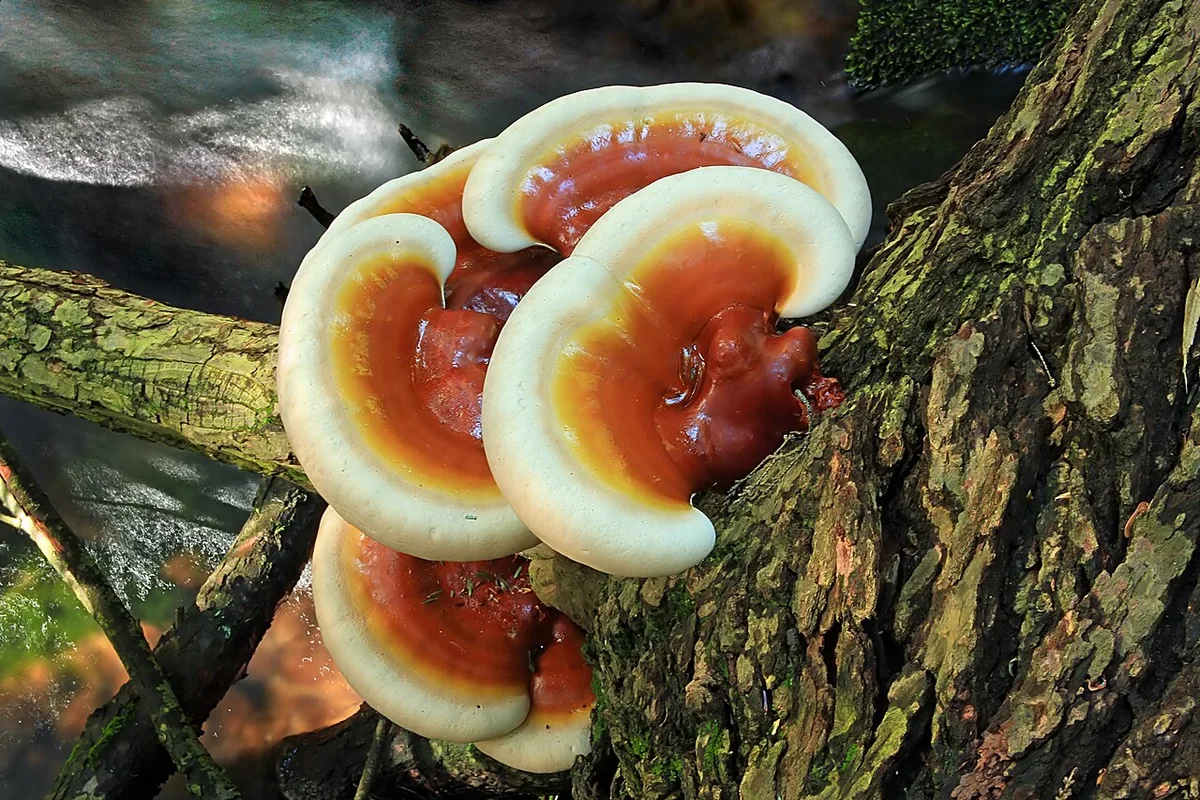
Source Credit: https://commons.wikimedia.org/wiki/File:Hutton_Run_(4)_(9002134466).jpg
Ganoderma lucidum s.s., The True Reishi (Primarily Asian)
Ganoderma lucidum sensu stricto produces a kidney-shaped to fan-shaped pileus, typically 5 to 30 centimeters across, with a polished laccate surface ranging from red-brown to orange-brown at the margin, deepening to mahogany or near-black toward the attachment point. The stipe, when present, is lateral to eccentric, similarly laccate, and can reach 15 or more centimeters in length.
In Asia it fruits from late spring through autumn on dying or recently dead hardwood stumps, most commonly Quercus and Fagus species. The white pore surface, the rust-brown spore print, the corky-fibrous white context: all standard characters shared across the group. What distinguishes true G. lucidum s.s. at the molecular level is the ITS sequence data, not any single field character a forager can reliably assess without a lab.
If you're in Japan, China, or Korea and you find a laccate, shelf-forming polypore on a dying hardwood stump, you're probably looking at authentic G. lucidum s.s. In North America, you're probably not.
Ganoderma tsugae, Hemlock Reishi
This is the one I know best, having spent decades in hemlock stands from the Olympic Peninsula down through the Cascades and across to the Appalachians. Ganoderma tsugae is almost exclusively associated with Tsuga species, particularly Tsuga canadensis (eastern hemlock) and Tsuga heterophylla (western hemlock). That host specificity is your most reliable field clue before you've even looked at the mushroom closely.
The fruiting body is morphologically nearly identical to G. lucidum s.s.: laccate red-brown to orange pileus, white pore surface, lateral stipe, rust-brown spore print. Size ranges from 5 to 40 centimeters across; I've seen specimens in old-growth hemlock stands in Washington State that exceeded a dinner plate in diameter.
It fruits primarily in late spring through summer in the Northeast, slightly later at elevation in the Pacific Northwest. You'll find it on standing dead hemlock, on stumps, and occasionally on the roots of recently fallen trees. The mycelium is a heart-rot pathogen on living hemlocks; when you see a large specimen on a live Tsuga, the tree is already compromised.
Ganoderma tsugae has been documented with similar polysaccharide fractions to Asian-grown G. lucidum, but the triterpenoid profile comparisons in peer-reviewed literature remain limited. MushroomExpert.com and Michael Kuo's detailed descriptions are a solid starting point for visual comparison, though never use any single resource as your sole identification source.
Ganoderma sessile, Eastern Hardwood Reishi
Ganoderma sessile is the species most commonly mislabeled as G. lucidum in Eastern US markets and foraging groups. It grows on the stumps, roots, and bases of a wide range of hardwoods: Quercus (oak), Acer (maple), Fagus (beech), Ulmus (elm), Betula (birch), and Prunus (cherry and plum) among others.
The defining character is right there in the name: sessile, meaning attached directly without a stipe, or with only the faintest rudimentary stalk. When you find a large laccate shelf mushroom on an oak base in Pennsylvania or Ohio with no stipe at all, you're almost certainly looking at G. sessile.
The pileus ranges from a warm orange-red when young and actively growing to deep mahogany when mature and dry. The actively growing margin is typically white to cream, one of the most visually striking features when you encounter a fresh specimen in late summer. Size can be impressive: large specimens on old oak stumps regularly exceed 30 centimeters across.
Ganoderma curtisii, Southeastern Reishi
Ganoderma curtisii is the dominant member of this complex in the American Southeast, fruits primarily from Quercus species, and extends up into the mid-Atlantic states. It overlaps geographically with G. sessile and the two are frequently confused.
From a field perspective, G. curtisii tends toward a more yellowish-orange laccate surface compared to the deeper red-brown of G. sessile, but this is not a reliable character on its own. Stipe presence or absence varies. I've handled hundreds of specimens from bottomland oak forests in the Carolinas and Georgia, and I'll tell you plainly: reliable separation of G. curtisii from G. sessile in the field often requires microscopy or molecular confirmation.
The southeastern distribution means collectors and practitioners working with wild-harvested American reishi from southern suppliers are working predominantly with this species, not G. lucidum s.s. That's an important distinction to carry into any conversation about medicinal efficacy.
Ganoderma oregonense, Pacific Northwest Reishi
Out west, Ganoderma oregonense is the conifer specialist. It grows on Tsuga heterophylla, Abies (fir), Picea (spruce), and occasionally Pinus (pine) species in the Pacific Northwest, from Northern California up through British Columbia.
It produces some of the largest fruiting bodies in the group. I've documented specimens exceeding 60 centimeters across in old-growth stands on the Oregon coast. The surface is similarly laccate, but G. oregonense tends toward a somewhat lighter, more yellowish-red tone compared to the deeper mahogany typical of G. tsugae.
The main practical distinction from G. tsugae in the Pacific Northwest is substrate. G. oregonense on fir or spruce; G. tsugae on hemlock. On western hemlock specifically, both species occur, which is where things get complicated for the collector. In those situations, molecular identification is the only reliable route to species confirmation.
Ganoderma sinense, Chinese Zizhi
Ganoderma sinense is the other major player in Traditional Chinese Medicine alongside G. lucidum s.s. In China it's called "zizhi" or sometimes black reishi, and it carries a distinctly darker, often purplish-black laccate surface compared to the red-brown tones of G. lucidum s.s.
The Shen Nong Ben Cao Jing, the oldest Chinese pharmacopeia dating to around 200 CE, references multiple colors of lingzhi, and G. sinense likely corresponds to the "black lingzhi" category described in that text. Modern molecular work confirms it as a distinct species from G. lucidum s.s., though the two share many secondary metabolites including the ganoderic acids central to the triterpenoid research.
Most North American foragers won't encounter this species. It's included here because a significant portion of the global reishi supplement market sources raw material from China, and some of that material is G. sinense rather than G. lucidum s.s., a distinction frequently not disclosed on product labels.
Other Members: Ganoderma resinaceum, G. multipileum, G. boninense, and G. zonatum
Ganoderma resinaceum is the European representative of this complex, growing on hardwoods (primarily Quercus) across continental Europe and the UK. It's been studied for polysaccharide content but far less thoroughly than the Asian species, and European practitioners relying on wild-harvested material are working with this taxon, not authentic G. lucidum s.s.
Ganoderma multipileum occurs in subtropical and tropical Asia, frequently on Ficus and other broadleaf hosts. It's been increasingly documented through iNaturalist research-grade observations in Southeast Asia, and molecular data has confirmed its separation from G. lucidum s.s.
Ganoderma boninense is a serious agricultural pathogen on oil palm (Elaeis guineensis) in Southeast Asia, responsible for basal stem rot disease. It's not used medicinally and won't be encountered by foragers, but it sits within this broader complex taxonomically and illustrates how far the genus extends beyond the medicinal species that command commercial attention.
Ganoderma zonatum shows up in subtropical North America, particularly Florida and the Gulf Coast states, primarily on palms. Foragers in subtropical regions encountering a laccate polypore on a palm trunk are almost certainly looking at G. zonatum, not anything in the medicinal lucidum complex. It has no documented equivalent pharmacological profile and should not be collected as a reishi substitute.
Field Identification: Macroscopic Features
Walk me through what you're seeing. A laccate, shelf-forming bracket on a dying tree. Rust-brown powder on the log beneath it. A red-brown cap with a white growing margin. You're probably in the right genus. But "probably in the right genus" is not an identification. Here's what to actually examine.
Pileus: Shape, Laccate Surface, and Color Zones
The pileus of all members in this group shares a diagnostic feature that sets the genus apart immediately: the laccate surface. "Laccate" means varnished or lacquered, and that's exactly what it looks like. The surface has a distinct sheen, like it's been brushed with shellac, that comes from a specialized resinous coating produced by the developing fruiting body. Run a fingertip across it. You'll feel the smoothness and see the light catch it differently from any dull or fibrous polypore surface.
Shape ranges from kidney-shaped (reniform) to fan-shaped to semicircular, depending on species and attachment geometry. Specimens with a well-developed lateral stipe tend toward more symmetrical kidney shapes; sessile forms attached flush to the substrate spread outward in an asymmetric fan.
Color is zonate: concentric bands radiating from the attachment point outward to the growing margin. The innermost zones, the oldest tissue, are typically darkest: deep mahogany, red-brown, sometimes nearly black in old dried specimens. Moving outward, color lightens through orange-red and orange-brown to a bright cream or white at the actively growing margin. That white margin is one of the clearest indicators of a fresh, actively fruiting specimen.
Pileus texture becomes harder and woodier with age. A young fruiting body has a soft, almost spongy upper surface. By maturity it's firm and rigid. Old dry specimens become nearly woody and may persist attached to the host for months after spore release ends.
Stipe: Lateral, Eccentric, or Absent
The stipe, when present, attaches laterally (to the side of the pileus) or eccentrically (off-center), never centrally as in the agaric mushrooms most people are used to. It's covered by the same laccate surface as the pileus, making it visually continuous with the cap. No annulus, no volva, nothing at the base but the substrate or the mycelial mat where it emerges.
Length and robustness vary considerably. G. lucidum s.s. and G. tsugae commonly produce stipes 5 to 15 centimeters long, sometimes longer on specimens reaching upward from buried roots. G. sessile, as the name implies, is typically stipe-less or nearly so, attached broadly across its base.
In cultivation under elevated CO2 conditions, the same species that produces a normal kidney-shaped pileus in the field will grow in what we call the antler form: elongated, branching, stipe-dominant structures with little or no cap development. This is purely a response to gas concentrations, not a different species, and it's worth knowing because some commercial products are made from antler-form material. The bioactive compound ratios differ from normal-form fruiting bodies in ways that aren't fully characterized.
Pore Surface: Color and Bruising Behavior
Flip the fruiting body over and look at the underside. The pore surface is a fine-textured layer of tiny circular pores, typically 4 to 6 per millimeter. In fresh specimens this surface is white to cream, occasionally with a faint yellowish tint. It should look clean and unbroken in a healthy specimen.
The bruising behavior is diagnostic and worth testing in the field. Press firmly with a fingernail or the blunt end of a knife. In fresh material, the pore surface browns distinctly where pressure is applied. This bruising response fades in dry or old specimens, so test on the freshest-looking area of the pore layer, typically toward the outer growing margin.
The pore surface is where basidiospores are produced and released. During active sporulation, typically late summer into fall depending on species and region, the pore layer produces enormous quantities of rust-brown spore powder. A mature G. tsugae can coat everything within a meter radius in that characteristic brown dust. If you see it, bring a mask: the spores are a documented respiratory irritant, and occupational spore allergy is a real concern for cultivators and foragers harvesting multiple large specimens.
Context: Corky-Fibrous White Interior
Cut through a fresh fruiting body and you'll find the context: the interior flesh. In all members of this group, the context is white to pale cream, corky in texture, and fibrous when pulled or broken. It doesn't change color on cutting or exposure to air, which rules out a number of other wood-decaying polypores where the context oxidizes to brown or gray quickly.
Thickness varies with age and position. A young actively growing specimen can have context 2 to 5 centimeters thick. Older specimens may be proportionally thinner, with a higher share of the total mass made up of the tube layer (pores) below.
The context of the stipe, where present, is continuous with the pileus context and shares the same corky-fibrous character. There's no distinct ring (annulus), no cup (volva) at the base, no gills anywhere in the fruiting body. These are polypores: all tubes, all the way down.
Spore Print: Rusty Brown and Heavy Release
Getting a spore print from a fresh Ganoderma is straightforward: place the pore surface down on white paper and leave it for several hours. The result is a print in rusty brown to cocoa-brown, one of the more distinctive spore print colors in North American mycology.
The volume of spore release from a mature specimen is impressive. I've come back to a harvested G. tsugae in a plastic bag to find the inside coated in brown powder. This is normal. It's also why, if you're cultivating these species indoors, you want HEPA filtration in your grow space. The spores are the primary culprit in reported allergic reactions, including documented cases of hypersensitivity pneumonitis in commercial cultivation workers.
The rust-brown spore print alone isn't sufficient for identification, since several other polypores produce brown spore prints. But combined with the laccate pileus, the trimitic hyphal system, the white context, and the host-tree associations described above, it builds a strong identification case. Collect all characters. Don't stop at one.
Laboratory Identification: Microscopic and Chemical
Field characters get you to the genus reliably. Getting to species, and confirming you're in the lucidum group and not a lookalike, requires microscopy. Here's what you're looking for and how to find it.
Basidiospores: Truncate Apex, Double Wall, and Ornamentation
The basidiospores of the Ganoderma lucidum group are among the most distinctive in the fungal kingdom. Under light microscopy at 400x to 1000x magnification, each spore reveals a double-walled structure: a smooth thin outer wall (exosporium) and an ornamented inner wall (endosporium). The ornamentations appear as irregular warts or columns, called pillars in the literature, connecting the two walls and giving the spore a uniquely textured profile in optical section.
The truncate apex is the other key character. Look at the tip of each spore, the end furthest from the basal attachment point. In Ganoderma, it's flattened or cut off at a slight angle, like someone trimmed it cleanly. That truncate form is consistent across the group and is one of the defining characters separating Ganoderma from superficially similar genera.
Spore dimensions fall in the range of roughly 8 to 13 by 5 to 8 micrometers, with species-level variation. Precise measurements taken from mature spores in a fresh spore print contribute to species-level determination, though molecular work is now considered more reliable for definitive identification within the complex.
Spores are inamyloid in Melzer's reagent: they don't turn blue-black the way amyloid spores do. A prepared slide with a drop of Melzer's and a few minutes of observation settles that question quickly.
Trimitic Hyphal System: Generative, Skeletal, and Binding Hyphae
The hyphal system of the lucidum group is trimitic, meaning the fruiting body is built from three morphologically distinct hyphal types. This contrasts with monomitic fungi (one hyphal type, many fleshy mushrooms) and dimitic fungi (two types). Recognizing a trimitic system places you firmly in the polypore world and eliminates all the fleshy, gilled, and rubbery competitors immediately.
Generative hyphae have clamp connections, the small bypass bridges at the septa visible under the microscope, and are relatively thin-walled. They're the reproductively active component, capable of producing basidia and basidiospores. In a thin section of the context they're present throughout but less visually dominant than the skeletal hyphae.
Skeletal hyphae are thick-walled, unbranched to sparsely branched, and provide the structural rigidity that gives the Ganoderma fruiting body its woody, corky texture. They stain more intensely in cotton blue than the generative hyphae and are immediately obvious in a well-prepared section.
Binding hyphae are thin-walled, tortuous (winding and irregularly branched), and function to bind the other hyphal types together. Under the microscope they have a worm-like, tangled appearance quite distinct from the orderly skeletal hyphae running alongside them.
To see all three types clearly, take a thin free-hand section from the context (not the pore layer), mount in 3% KOH or a dilute cotton blue preparation, and crush gently under the coverslip to tease the hyphae apart. It takes practice, but once you've seen the trimitic system clearly, you won't mistake it for anything else.
Chemical Reactions: KOH, Melzer's, and Iron Salts
These are quick bench tests that contribute to identification, though none is definitive in isolation and they're most useful as part of a full character suite.
KOH (potassium hydroxide), applied as a 3 to 5% solution to the context or pileus surface, produces no significant color change in the lucidum group. This contrasts with some other polypores where KOH produces strong yellow, red, or black reactions. A negative KOH reaction on the context is consistent with the G. lucidum group, and a strongly positive reaction (especially yellow or black) suggests you're looking at something else.
Melzer's reagent applied to spores gives an inamyloid reaction: no blue-black color. This is a useful negative character when combined with the spore morphology described above.
Iron salts (ferrous sulfate, FeSO4) applied to the context produce a faint to negative reaction in most Ganoderma. Some collections show a very faint green-blue tinge, but it's not a strong or reliable diagnostic response. The main value here is comparative: some common polypore lookalikes give strongly positive iron salt reactions that help rule them out.
None of these reactions alone will confirm a Ganoderma identification. Run them as part of a systematic process: macroscopic features first, then microscopy, then chemical tests, then molecular if species-level certainty matters for your purpose.
Molecular Tools: ITS Sequencing and Multi-Locus Phylogenetics
For anyone serious about species-level identification within the lucidum group, ITS (internal transcribed spacer) sequencing is the current minimum standard. The ITS region of the ribosomal DNA is the most commonly sequenced fungal barcode marker, and sequences for all major Ganoderma species are deposited in GenBank and accessible through NCBI BLAST searches.
A basic ITS sequence from a fresh or properly dried specimen can separate G. tsugae from G. sessile from G. curtisii from G. oregonense reliably. University mycology departments and commercial sequencing services can process fungal tissue samples for a reasonable fee, and the turnaround time has dropped dramatically in the past decade.
For publication-quality species determinations, multi-locus phylogenetics using additional markers (nrLSU, rpb2, tef1) provides much stronger resolution than ITS alone. The landmark phylogenetic papers by Bao-Kai Cui and colleagues published in Fungal Diversity are the reference framework for the genus currently, and iNaturalist research-grade observations linked to sequence data provide a growing, freely accessible reference database that complements the formal literature.
If you're working with commercial reishi products and want to verify species identity, molecular testing of raw material is now standard practice in responsible supplement manufacturing. Ask your supplier for a certificate of analysis (COA) that includes species verification, not just beta-glucan percentages. Beta-glucan percentage alone tells you nothing about which species produced those glucans.
Lookalikes and Dangerous Confusions
The Ganoderma lucidum group is not a particularly dangerous foraging target in terms of deadly toxins: there are no known lethal lookalikes that produce amatoxins or orellanine in this ecological niche. But "not deadly" doesn't mean "lookalikes don't matter." Misidentifying a Ganoderma means you might consume a species with no medicinal value, ingest something that causes gastric distress, or simply waste your collection effort. Confirm before you collect. If you've consumed something uncertain, contact Poison Control at 1-800-222-1222 immediately and keep the specimen for identification.
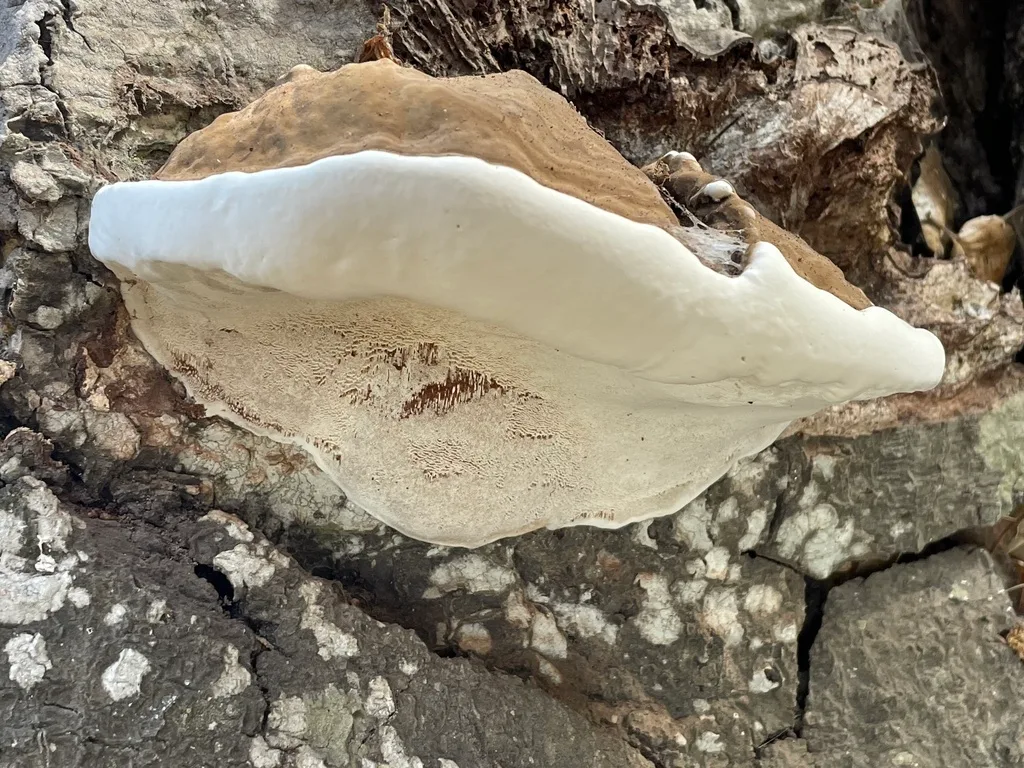
Source Credit: https://www.inaturalist.org/observations/100280069
Ganoderma applanatum, Artist's Conk
Ganoderma applanatum is the most common source of confusion, and I understand why. It's in the same genus, grows on many of the same hardwood hosts, produces a similar corky white context, and yields a rust-brown spore print. Beginners sometimes grab it thinking they've found reishi.
The critical difference is the surface: G. applanatum is NOT laccate. Run your finger across the top of the pileus. No shine. Dull, gray-brown to grayish-white, often concentrically zonate but completely matte. No varnish whatsoever. That single character eliminates it immediately when comparing to any member of the lucidum group.
Other separating characters: G. applanatum is typically larger and flatter (hence "applanatum," meaning flattened), almost always stipe-less and broadly attached, perennial with multiple growth layers visible in cross-section, and its pore surface, when scratched, retains brown marks permanently. This last feature is what gives it the common name Artist's Conk. The pore surface of G. lucidum group members doesn't retain marks in the same durable way.
G. applanatum has no significant medicinal use and is not consumed as food. Confusing the two is a waste of a collection effort, not a poisoning risk, but getting it right matters for anyone building genuine field knowledge.
Fomitopsis pinicola, Red-belted Polypore (Juvenile Stage)
Fomitopsis pinicola as a mature specimen bears little resemblance to reishi: it's a perennial bracket with a red-orange to yellow growth margin, grayish-white upper surface, white pore surface, and white context that stains distinctly yellow with KOH applied to a fresh cut. Different genus, different family, no confusion in mature form.
The confusion happens with young specimens. A very young F. pinicola just emerging from a conifer log can show a shiny resin-coated surface that catches the light in a way that superficially resembles the laccate surface of Ganoderma. In the Pacific Northwest and boreal forests of Canada where both species grow on conifers, this occasionally catches less experienced foragers off guard.
The red-orange belt that runs around the margin of most F. pinicola specimens is absent in early development, and the resinous coating is texturally different from the clean lacquer of Ganoderma. Apply KOH to a fresh cut in the context: F. pinicola turns yellow clearly and quickly. Ganoderma shows no significant reaction. That test alone resolves every ambiguous conifer-substrate encounter in the Pacific Northwest.
Ischnoderma resinosum, Resinous Polypore
Ischnoderma resinosum grows on dead hardwoods and occasionally conifers, produces overlapping brackets with a brownish somewhat shiny surface when fresh, and a white pore surface that bruises tan to brown. Fresh specimens exude a resinous fluid from the surface, which is where both the common name and the species epithet originate.
At a glance on a hardwood stump, a fresh I. resinosum can catch a beginner's eye. But it doesn't hold up to scrutiny. The surface sheen comes from resin exudate, not a true laccate coating: it looks wet and sticky rather than polished and dry. The context is soft and white when young, turning brown and corky with age, unlike the consistently pale context of Ganoderma. There's no concentric color zoning on the pileus.
Most definitively: the spore print of I. resinosum is white, not rust-brown. That single character closes the question without any additional testing needed.
Ischnoderma resinosum is edible when young and fresh, and occasionally collected by foragers who know it well, but it has no documented medicinal applications comparable to the Ganoderma lucidum group.
Ganoderma australe and Subtropical Relatives
Ganoderma australe is a large, perennial, mostly non-laccate to weakly laccate southern bracket found in subtropical and tropical regions. In the southern United States, particularly Florida and along the Gulf Coast, collectors may encounter it on hardwood stumps alongside Ganoderma zonatum on palms.
G. australe is generally larger than G. sessile, perennial (building up annual layers like G. applanatum), and its surface ranges from dull to very weakly laccate, lacking the clean polished sheen of the lucidum group members. In fresh specimens the margin can be cream to light brown, again lacking the vivid red-brown tones of G. sessile or G. curtisii.
If you're in subtropical North America and you're finding laccate polypores on palms specifically, you're almost certainly looking at G. zonatum, not anything in the medicinal lucidum complex. G. zonatum can be mistaken for medicinal reishi by collectors unfamiliar with its palm-obligate habit, but it has no documented equivalent pharmacological profile and should not be used medicinally on the assumption of equivalence.
For any uncertain identification: post observations to iNaturalist for community input and comparison against research-grade photo data, check the detailed species accounts on MushroomExpert.com, consult your regional mycological society (NAMA maintains a current society directory at namyco.org), and if you're planning to consume or supplement with any wild collection, verify with a certified mycologist before you do. When in doubt, call Poison Control: 1-800-222-1222.
Host Trees and Habitat by Region
The host tree is frequently the most useful field clue in the Ganoderma lucidum group, more immediately actionable than pileus color or stipe length, because host specificity here is genuinely strong. Before you examine the mushroom closely, examine the tree. Species-level identification begins before you crouch down.
Understanding host associations also tells you where to forage. I don't wander forests hoping to stumble across reishi. I identify prime hemlock stands on topographic maps, locate aging oak woodlands with recent storm damage, walk creek bottoms where weakened elms and cherries die slowly. The mushroom follows the tree, and the tree follows the soil and moisture and disturbance history of the land.
Tsuga (Hemlock) Associations: Ganoderma tsugae and Ganoderma oregonense
Ganoderma tsugae has one of the most consistent host relationships in North American mycology. I've pulled it off Tsuga canadensis (eastern hemlock) in Connecticut, in the Great Smoky Mountains, in the Allegheny highlands, and at elevation in the southern Appalachians, and in every case the tree was either dead or actively dying. G. tsugae is primarily a saprobe on dead wood, but it also behaves as a heart-rot pathogen on stressed living hemlocks. When you find it on a standing live tree, something already broke that tree's defenses: drought, root damage, herbivory, mechanical injury.
In the Pacific Northwest, G. oregonense occupies similar ecological space on Tsuga heterophylla (western hemlock), but it's less host-exclusive than G. tsugae is in the East. I find it regularly on Abies grandis (grand fir), Abies amabilis (Pacific silver fir), and Picea sitchensis (Sitka spruce) along the coast. On western hemlock specifically, both G. tsugae and G. oregonense can occur, which is why substrate alone doesn't resolve every Pacific Northwest collection.
There's an ecological footnote to the eastern hemlock situation that foragers need to know. The hemlock woolly adelgid (Adelges tsugae), an invasive insect from Asia, has been devastating Tsuga canadensis populations across the Appalachians and Northeast since the 1950s. Infested stands produce short-term flushes of G. tsugae fruiting as trees die, followed by long-term population collapse as the substrate runs out. In heavily infested areas, reishi collection windows are narrowing. It's a conservation issue as much as a foraging one.
For productive hemlock stands, look for older trees: diameter at breast height of 30 centimeters or more, on north-facing slopes and shaded creek bottoms where moisture stays high. Fruiting tends to be at the base or within a meter or two of the ground on standing dead trees and fresh stumps. I've rarely found productive fruiting bodies more than two meters up.
Quercus (Oak) Associations: Ganoderma sessile and Ganoderma curtisii
The oak associations are where the eastern North American reishi complex gets most of its foraging attention outside of hemlock country. Ganoderma sessile and Ganoderma curtisii are both strongly associated with Quercus species across their ranges, with G. curtisii more strongly southeastern and G. sessile spanning a broader latitudinal range into the mid-Atlantic and lower Midwest.
These species emerge predominantly at the base of trees, on roots, and from root collars. They colonize the cambium and heartwood through wounds: lawnmower scars, construction damage to root zones, storm breakage, soil compaction stress. Urban and suburban oaks are frequently productive hosts precisely because they sustain more mechanical damage than forest trees. I've documented excellent fruiting on street-side Quercus palustris (pin oak) stumps in Philadelphia-area suburbs, on old orchard oaks in Virginia, and on bottomland Quercus nigra (water oak) in the Carolinas.
Living trees hosting basal Ganoderma fruiting bodies are compromised. The mycelium is degrading structural root and butt wood, and a significant storm load can bring down what looks like a healthy crown. If you're advising property owners, that's information they need.
Both red oak and white oak group species serve as hosts, and I haven't observed a strong preference one way or the other in my field work. What matters more is tree age (older, larger trees with more accumulated dead wood), history of wounding, and moisture availability at the root collar.
Mixed Hardwood Hosts: Maple, Beech, Birch, Elm, and Cherry
Ganoderma sessile is a generalist within the hardwood community in a way that G. tsugae on hemlock is not. While oak is its most common host east of the Appalachians, I've documented it reliably on Acer saccharum (sugar maple) and Acer rubrum (red maple) throughout the Northeast, on Fagus grandifolia (American beech) at higher elevations in the Appalachians, and on old Ulmus americana (American elm) stumps where Dutch elm disease has been working through a woodlot.
Betula (birch) associations occur but are less common and less well documented in North American collections. The European literature, particularly records of G. lucidum s.s. and G. resinaceum in the UK and Scandinavia, shows more frequent birch associations than I've personally encountered in North America.
Prunus (cherry and plum) as hosts appear most often in orchard settings and along hedgerows where old trees die in place. Prunus serotina (black cherry) is probably the most common Prunus host I've seen in eastern North American forest contexts.
The practical implication for foragers: if you're in eastern North America and you find a large laccate polypore at the base of a big hardwood that isn't hemlock, run through the host list above before reaching a species conclusion. Then look at the stipe (or lack of one) and the pileus color and form for further narrowing.
Conifer Hosts: Fir, Spruce, and Pine
Beyond the hemlock associations, the Pacific Northwest conifer community hosts G. oregonense on a range of species. Abies (true firs), particularly Abies grandis and Abies amabilis, are productive hosts in old-growth and mature second-growth stands. Picea sitchensis (Sitka spruce) in coastal Washington and Oregon is another consistent substrate, especially on large-diameter fallen trees in the rain shadow zone.
Pinus (pine) associations for this group are documented but uncommon. Where I've found suspected Ganoderma on pine in the Pacific Northwest, molecular verification has often been needed to confirm species, since the visual characters can be ambiguous on conifer hosts.
One practical foraging point worth making: old-growth conifer stands in the Pacific Northwest are among the most productive reishi habitats I know, specifically because the fallen logs are large-diameter, moisture-retentive, and persist on the forest floor for decades. A 200-year-old Tsuga heterophylla log on the Olympic Peninsula can host active Ganoderma fruiting for 20 or more years as decay progresses through the wood.
Geographic Distribution and Foraging Seasons
Knowing which species grow where, and when they fruit, turns scattered encounters into productive forays. I've kept records of collection sites across several decades, and the seasonal patterns hold remarkably well year to year once you understand the underlying ecology driving them.
Pacific Northwest
The Pacific Northwest is the most productive reishi foraging territory in North America, in my experience. Old-growth and mature second-growth forests from Northern California through Oregon, Washington, and British Columbia harbor Ganoderma tsugae and Ganoderma oregonense in densities I haven't matched anywhere else on the continent.
The primary fruiting season runs from late May through September at lower elevations, extending into October in mild coastal years. At elevation (above 600 meters in the Cascades or Olympics), the window compresses toward July through August. The same sites can produce for multiple years running: I've returned to marked stumps on the Olympic Peninsula and found active fruiting bodies four consecutive seasons.
Humidity is the gating factor more than temperature in this region. The wet west-slope environments of the Cascades and the coastal fog zone of the Olympics create moisture conditions that support extended fruiting periods. East of the Cascade crest, where summers are drier, reishi encounters drop off sharply. The mycelium is present, but surface moisture for fruiting body development often isn't.
The Puget Sound Mycological Society (PSMS) maintains foray records going back decades and is the best regional resource for Pacific Northwest Ganoderma observations. Cross-referencing their data with iNaturalist research-grade observations gives you a solid picture of productive site types before you drive three hours into the hills.
Appalachian Mountains and Northeast
The Appalachian range and the Northeastern states are Ganoderma tsugae country, and the hemlock woolly adelgid situation has made that relationship increasingly complicated over the past two decades.
In healthy hemlock-dominated drainages in the southern Appalachians, from the Smokies through the Blue Ridge into western North Carolina, the season runs from April or May through August, peaking in June. At higher elevations in the northern Appalachians and in New England, the window shifts to June through August. In the Pennsylvania and New York hill country, I've reliably found actively fruiting G. tsugae from late May through early September in years with adequate summer rainfall.
The Connecticut-Massachusetts-Vermont hemlock corridor, now heavily impacted by adelgid infestation, was one of the most productive G. tsugae regions in the country as recently as the 1990s. That has changed significantly. Foragers working this region today will find more dead substrate than living hemlock, which affects both collection quality and long-term sustainability of wild harvesting in the area.
The Connecticut-Westchester Mycological Association (COMA) and the Boston Mycological Club both have active foray programs and maintain observation networks that track seasonal patterns across the region. Connecting with either group before planning a dedicated reishi foray is time well spent.
Southeastern United States
The Southeast presents a different situation: warmer, longer growing seasons, oak-dominated landscapes, and a species complex centered on Ganoderma curtisii and Ganoderma sessile rather than hemlock-associated G. tsugae.
Fruiting in the Southeast is notably less seasonal than in the Northeast. I've found active specimens in the Carolinas and Georgia from April through November, with peaks in late spring (April to June) and again in late summer through fall (August to October). The late summer flush often coincides with the first sustained rainfall after summer dry periods, which triggers new growth on perennial mycelial networks already established at root collars of aging oaks.
Bottomland hardwood forests along major river systems, the Savannah, the Pee Dee, the Chattahoochee, are particularly productive habitats. Large mature water oaks and willow oaks die regularly in these wet-footed environments, and their root systems provide years of substrate for G. curtisii and G. sessile.
The subtropical fringe of Florida and the Gulf Coast introduces G. zonatum on palms and G. australe on hardwoods, neither of which belongs to the medicinal complex. Foragers in this region must be attentive to host identity: a laccate polypore on a palm is G. zonatum, not medicinal reishi, and using it as such has no scientific justification.
East Asia: Native Range of Ganoderma lucidum s.s.
Ganoderma lucidum sensu stricto is native to China, Japan, Korea, and Taiwan, growing in temperate and subtropical broadleaf forests where Quercus, Fagus, and related hardwood genera dominate. Its natural range extends into Southeast Asia, where it grades into G. multipileum and other tropical relatives.
Wild-harvested authentic G. lucidum s.s. from natural forests is now rare as a commercial source. High demand and sustained habitat pressure over the past century have pushed the industry almost entirely toward cultivation. Chinese cultivation of reishi dates back several centuries in documented practice, with significant commercial-scale operations established in Fujian, Zhejiang, and Shandong provinces from the 1970s onward.
For researchers or consumers working with authenticated G. lucidum s.s. material, cultivated Asian product is now the primary reliable source. The pharmacological research cited throughout the reishi literature was conducted almost exclusively on this cultivated material, grown on sawdust or hardwood substrate under defined conditions. That cultivation-sourced material is the reference point against which any wild-harvested North American product should be evaluated.
Europe: Ganoderma resinaceum Territory
Ganoderma resinaceum is the European member of this complex, and it's genuinely underrepresented in the pharmacological literature relative to its Asian and North American counterparts. It grows primarily on Quercus species across continental Europe, with documented occurrences in Spain, France, Italy, central Europe, and sporadically in southern England.
The European fruiting season is broadly similar to the eastern North American pattern for oak-associated species: late spring through autumn, peaking in summer. Roger Phillips' "Mushrooms" covers it visually for UK foragers, and the British Mycological Society maintains observation records with geographic detail.
What we don't have for G. resinaceum is anywhere near the pharmacological characterization available for G. lucidum s.s. or even for well-studied North American species like G. tsugae. European practitioners using wild-harvested or locally sourced reishi are working largely on an assumption of bioactive equivalence with Asian species, an assumption that hasn't been rigorously tested. The same gap that exists between North American and Asian species applies here. It's an area that needs research, and the European mycological community would do the field a genuine service by pursuing it.
Bioactive Compounds
The pharmacological reputation of the Ganoderma lucidum group rests on genuinely interesting chemistry. But the popular science around these compounds routinely oversimplifies what they are, how they work, and what the actual evidence for each one says. Let me lay them out accurately.
Beta-D-Glucans and Polysaccharide Fractions
Beta-D-glucans are the primary immunomodulatory compounds in the Ganoderma lucidum group and in medicinal mushrooms broadly. Structurally, they are branched polysaccharides with a backbone of glucose units linked by beta-1,3 bonds and side chains linked by beta-1,6 bonds. That branching architecture is not just a structural detail. It's directly relevant to biological activity, because receptor recognition at the cell surface depends on the three-dimensional shape that branched structure produces.
The immune response to beta-D-glucans is mediated primarily through the Dectin-1 receptor on macrophages, dendritic cells, and neutrophils, with secondary signaling through CR3 (complement receptor 3) and TLR2 (Toll-like receptor 2). Dectin-1 binding triggers downstream pathways including NF-kB activation, which drives cytokine production including IL-12, TNF-alpha, and interferon-gamma. This is a well-characterized mechanism, not theoretical.
Molecular weight matters significantly for bioactivity. High-molecular-weight beta-glucan fractions (typically above 100 kDa) show stronger immunostimulatory activity in cell culture and animal models than low-molecular-weight fractions. Standard hot water extraction, which is how traditional reishi preparations have always been made (simple decoction), is effective at pulling these high-molecular-weight polysaccharides from the fruiting body tissue. This is one area where the traditional preparation method is pharmacologically justified.
The contamination problem in low-quality products deserves plain language. Alpha-D-glucans are starch-derived polysaccharides present in grain substrate. When reishi mycelium is grown on oats, rice, or wheat and then dried and powdered without removing the grain, the resulting product is heavily diluted with grain starch. Alpha-glucans are not immunologically active in the way beta-glucans are. A COA that reports total beta-glucan percentage using a method that distinguishes beta-glucans from alpha-glucans is useful. One that doesn't make that distinction is telling you less than it appears to.
Fruiting body products from properly cultivated or wild-harvested material typically contain 15 to 35% beta-glucan content by dry weight, depending on species, substrate, harvest timing, and extraction method. Mycelium-on-grain products frequently test below 5% actual beta-glucan when properly assayed with beta-specific methods. That gap matters enormously if you're purchasing for medicinal purposes.
Triterpenes: Ganoderic Acids, Lucidenic Acids, and Ganoderenic Acids
The triterpenoids are what give Ganoderma fruiting bodies their intensely bitter taste, and they're the second major pillar of the pharmacological case for this group. More than 100 individual lanostane-type triterpene compounds have been isolated from the lucidum group, with the ganoderic acids receiving the most research attention.
The lanostane carbon skeleton is the structural foundation: a tetracyclic triterpenoid framework from which enzymatic modification produces the full diversity of Ganoderma triterpenes. The ganoderic acids (named A through H in early literature, with subsequent compounds numbered sequentially) are the largest subgroup. The lucidenic acids are structurally related, sharing the lanostane skeleton with different functional group arrangements. The ganoderenic acids represent a less well-characterized subset, present in compound profiles published for G. lucidum s.s. but not as thoroughly studied as the ganoderic acids.
Ganoderic acids A, B, C, and D are the most investigated individual compounds. Ganoderic acid A inhibits HMG-CoA reductase, the same enzyme targeted by statin drugs, which is the mechanistic basis for cholesterol-modulating claims. The inhibitory potency is far weaker than pharmaceutical statins, but it's a real and documented effect. Ganoderic acid B has shown antioxidant activity across multiple assay systems. Ganoderic acids C and D have been investigated for hepatoprotective effects in animal models. Beyond those four, the pharmacological characterization of individual compounds becomes progressively thinner as you move down the list.
The critical extraction point: triterpenes are not water-soluble. A hot water extract, regardless of how concentrated it is, pulls beta-glucans efficiently and triterpenes poorly. An ethanol extract captures triterpenes well but extracts polysaccharides less efficiently. A dual extract, using both water and alcohol extraction in sequence, is the current standard for products intended to deliver both compound classes. A product that doesn't specify both extraction method and solvent is not giving you the information you need to assess what you're buying.
One quick field-sourcing heuristic worth knowing: a strongly bitter taste in a reishi preparation is a reasonable (though not definitive) indicator of triterpenoid content. Insipid or nearly tasteless reishi products are suspicious from a quality standpoint.
Ling Zhi-8 (LZ-8): Immunomodulatory Protein
Ling Zhi-8, abbreviated LZ-8, is a fungal immunomodulatory protein (FIP) first isolated from Ganoderma lucidum s.s. in the 1980s. It's structurally and mechanistically distinct from the polysaccharide and triterpenoid fractions: a protein of approximately 12 kDa molecular weight that works through direct stimulation of T-lymphocytes and NK cells in a manner resembling mitogen activity.
Its crystal structure has been solved, and the protein shows partial structural homology with certain mammalian immune proteins, which has driven interest in its mechanism at the molecular level. Published mechanistic research in journals including Immunology and Molecular Immunology covers this in detail for readers who want to go deeper.
The practical quality implication: LZ-8 is heat-labile to a degree that matters in processing. Aggressive high-temperature extraction can denature it, leaving a product that tests well for polysaccharides but has lost LZ-8 activity. Properly prepared reishi tinctures and lower-temperature water extracts preserve more functional LZ-8 than products subjected to high-pressure steam extraction. This is one area where independent third-party testing matters, because protein integrity can't be assessed from a label alone.
LZ-8 has been characterized in G. lucidum s.s. fruiting bodies. Its concentration and activity in myceliated grain products, in North American species, and in high-temperature processed extracts are not established to the same standard. This compounds the species-identity problem: we don't know whether G. tsugae or G. sessile produces LZ-8 at equivalent levels, because nobody has published a rigorous comparative study.
Ergosterol, Adenosine, and Minor Compounds
Ergosterol is the primary sterol in fungal cell membranes. When dried Ganoderma fruiting bodies are exposed to ultraviolet light, ergosterol converts to ergocalciferol (vitamin D2), which is bioavailable in humans. Sun-drying reishi fruiting bodies increases their vitamin D2 content meaningfully. This is a genuine nutritional benefit.
Adenosine is a purine nucleoside present in Ganoderma that inhibits platelet aggregation by binding to adenosine receptors on platelets. This mechanism is the pharmacological basis for the anticoagulant interaction with Warfarin discussed in the safety section, and for the mild antithrombotic effects observed in some reishi research. The effect is measurably real but mild compared to pharmaceutical anticoagulants. At supplemental doses it's relevant primarily as an interaction risk, not as a standalone clinical effect.
Organic germanium was prominent in 1980s and 1990s reishi marketing. Claims ranged from antiviral activity to antitumor effects. The evidence base was always thin, the toxicology of inorganic germanium compounds is genuinely concerning, and the organic germanium content of Ganoderma fruiting bodies is far too low at normal supplemental doses to produce meaningful pharmacological effects. I include it here because it appears throughout the older literature and in historical product claims, not because it's a biologically significant component by current standards.
Proteoglycans (polysaccharide-protein complexes) represent a broader compound class present in Ganoderma that has received some research attention as a third immunomodulatory fraction, distinct from straight polysaccharides and from LZ-8. They're real compounds with documented immune activity in some assay systems, but the research characterization lags well behind the beta-glucan and triterpenoid literature.
Pharmacological Properties and Medicinal Evidence
This is where I want to be most careful, because the stakes are genuine. I've watched the reishi supplement market generate wild claims for four decades: cancer cures, immortality, reversal of autoimmune disease. The actual research is interesting, at times genuinely exciting, but it bears no resemblance to the marketing language. Here's what the evidence actually shows.
Immunomodulation: NK Cells, Macrophages, and Cytokines
The immunomodulatory effects of Ganoderma polysaccharides are the best-supported claim in the entire pharmacological profile of this group. The mechanism is established, the Dectin-1 pathway has been characterized in detail, and multiple independent research groups across immunology and mycology have documented the downstream effects in cell culture, animal models, and some human studies.
Natural killer (NK) cells are innate immune cells that kill virus-infected and transformed tumor cells without prior sensitization. Several human and animal studies have shown increased NK cell activity following Ganoderma polysaccharide supplementation. Effect sizes vary considerably between studies, and methodological quality across the literature is uneven, but the directional finding is consistent.
Macrophage activation is probably the most robustly demonstrated effect in cell culture systems. Beta-D-glucan binding to Dectin-1 on macrophages triggers phagocytic activity, reactive oxygen species production, and pro-inflammatory cytokine release including TNF-alpha and IL-12. This is a measurable, reproducible laboratory finding that has been replicated widely.
The cytokine picture is more nuanced than most marketing conveys. "Immune booster" suggests uniformly turning up a dial, but Ganoderma polysaccharides show modulatory rather than simply stimulatory effects in some experimental contexts: enhancing certain responses while attenuating others. This is biologically plausible and generally desirable in a healthy population, but it means patients with autoimmune conditions, where immune dysregulation is already present, shouldn't assume the effect will be positive for their specific situation. I'd direct any autoimmune patient firmly to a qualified physician before starting reishi supplementation.
Antineoplastic Activity: Adjunct Role, Not a Cure
Let me be direct: Ganoderma is not a cancer cure. It has never been demonstrated to cure cancer in a properly controlled human clinical trial. Any product sold with that implication is making a fraudulent and potentially dangerous claim.
What the evidence does support is a more modest and genuinely useful adjunct role. Multiple clinical studies, some published in peer-reviewed oncology and complementary medicine journals, have examined reishi alongside conventional chemotherapy and radiation in cancer patients. The findings that have held up to scrutiny are primarily around quality of life: reduced fatigue, some improvement in immune markers including NK cell counts and lymphocyte populations, and possibly reduced severity of certain chemotherapy side effects.
Solomon Wasser's critical reviews in the International Journal of Medicinal Mushrooms provide the most balanced published assessment of this evidence base. He is consistently careful to distinguish between in vitro findings (tumor cell lines dying in a petri dish when exposed to Ganoderma extracts), animal model results (more promising, but not directly translatable), and actual human clinical data (where evidence quality drops significantly and study populations are typically small).
The in vitro antitumor findings are real: various Ganoderma fractions inhibit tumor cell proliferation, induce apoptosis, and reduce invasion in cell culture assays. But the gap between "kills cancer cells in a dish" and "treats cancer in a living human" is enormous, and anyone jumping that gap without qualification is misleading their audience.
If you or someone you care about has cancer and is considering reishi as complementary support: discuss it openly with your oncologist. Don't substitute it for chemotherapy, radiation, or surgery. Don't self-dose based on internet research. A responsible practitioner won't object to a conversation about it; what they'll object to is patients quietly substituting supplements for evidence-based treatment.
Hepatoprotective and Cardioprotective Effects
The hepatoprotective evidence for Ganoderma compounds is primarily preclinical, derived from animal models and cell culture systems, but it's mechanistically coherent and worth taking seriously for what it is.
Several ganoderic acids, particularly the C and D fractions, have shown protective effects against hepatotoxin-induced liver damage in rodent models. Proposed mechanisms include antioxidant activity, inhibition of certain cytochrome P450 enzymes involved in hepatotoxin activation, and anti-inflammatory effects in liver tissue. The clinical relevance of these findings for humans consuming normal supplemental doses remains to be clearly established in rigorous human trials.
The cardioprotective evidence rests on several distinct mechanisms. Ganoderic acid A's HMG-CoA reductase inhibition (the same enzymatic target as statin drugs, though with far weaker potency) provides a rational basis for cholesterol-modulating claims. Adenosine's platelet aggregation inhibition contributes to the mild anticoagulant effects documented in both preclinical and some human studies. ACE (angiotensin-converting enzyme) inhibition has been reported for certain polysaccharide fractions, which is consistent with the antihypertensive observations in some animal studies.
None of this justifies using reishi in place of prescribed cardiovascular medications. The effect sizes are simply not comparable. What it does mean is that the traditional claims around reishi and cardiovascular health aren't pharmacologically incoherent: there are real mechanisms worth investigating further in well-designed human trials.
Adaptogen, Anti-Fatigue, and Neuroprotection
The "adaptogen" designation applied to reishi comes from the Soviet pharmacological tradition and later from TCM systematization, defining adaptogens as non-specific, normalizing substances that increase resistance to physiological stress. It's a useful clinical concept that has found partial scientific grounding in research on cortisol regulation and stress-response pathways, though the term remains more descriptive than precisely mechanistic.
For reishi specifically, the anti-fatigue evidence rests primarily on animal models. Oral Ganoderma polysaccharide administration has extended swimming endurance times in rodent models (a standard preclinical anti-fatigue assay), reduced biochemical markers of fatigue including blood lactate and urea nitrogen, and improved glycogen storage in liver and muscle tissue. Human data is limited and methodologically weaker, though some small trials report subjective fatigue reduction in cancer patients, which has clinical utility even if the mechanism isn't fully characterized.
Neuroprotection is an emerging area with genuinely interesting preliminary findings. Certain Ganoderma triterpenoids have shown nerve growth factor (NGF) stimulating activity in cell culture systems, which has attracted serious attention given the relevance to neurodegenerative disease research. This is early-stage work, well upstream of clinical application, but it's a legitimate area of active investigation and a reasonable target for future trials using properly characterized material.
Compared to better-studied adaptogens like Panax ginseng, whose human clinical trial database is substantially larger, the reishi adaptogen evidence base is thinner. That's a statement about research volume, not about whether the effects are real. More rigorous human trials using species-verified, extract-characterized material would clarify the picture considerably.
Antiviral, Anti-inflammatory, and Hypoglycemic Evidence
The antiviral data for Ganoderma compounds is largely in vitro. HIV-1 protease inhibition by certain triterpenoids was reported in the 1990s and generated genuine research interest. Antiviral effects against influenza and herpes simplex viruses have been documented in cell culture systems. As with the antitumor data, the distance from cell culture inhibition to clinical antiviral therapy is not one the current evidence crosses.
Anti-inflammatory activity is better supported mechanistically than most of the antiviral claims. Certain ganoderic acids inhibit COX (cyclooxygenase) enzymes through the same pathway targeted by NSAIDs like ibuprofen, though with much lower potency. Additional anti-inflammatory mechanisms involving NF-kB pathway modulation have been documented in multiple laboratory systems. The practical significance at typical supplemental doses in humans is not clearly established, but the mechanistic plausibility is real and the research direction is coherent.
Hypoglycemic effects have been reported in animal models, most plausibly through alpha-glucosidase inhibition (slowing carbohydrate digestion and glucose absorption) and through some beta-cell protective effects in induced-diabetes rodent models. Human data is limited. For patients on hypoglycemic medications, including both oral agents and insulin, the potential additive effect is a genuine clinical concern that's covered in the safety section.
What the Research Is Actually Based On: The Asian vs. North American Species Problem
I want to return here to the single most important framing issue in the entire reishi evidence base, because it qualifies every pharmacological claim in this section.
The overwhelming majority of published pharmacological research, including virtually all human clinical trial data, was conducted on authenticated Ganoderma lucidum s.s. material grown in Asia under defined cultivation conditions. When researchers say "reishi showed immunomodulatory effects in a randomized trial," they mean a specific, chemically characterized material from a confirmed species was administered to human subjects.
North American species (G. tsugae, G. sessile, G. curtisii, G. oregonense) are not demonstrated equivalents of G. lucidum s.s. They share compound classes but differ in the relative concentrations of individual compounds. The ganoderic acid profile of G. tsugae is not identical to that of G. lucidum s.s. The beta-glucan molecular weight distribution may differ. LZ-8 content in North American species has not been characterized to the same standard.
When a North American supplement company uses Asian clinical data to support therapeutic claims for a product made from G. tsugae or G. sessile, they are extending research findings beyond their demonstrated scope. This may not always be deliberate: many companies genuinely believe the species are pharmacologically equivalent. But it isn't scientifically rigorous, and consumers deserve to understand that the gap exists.
What the field needs, and doesn't yet have in sufficient quantity, is systematic pharmacological characterization of North American species using the same methods and standards applied to Asian G. lucidum s.s. research. Until that research exists, appropriate epistemic humility about the transferability of Asian clinical findings to North American products is the only honest position.
Traditional and Cultural History
The cultural history of the Ganoderma lucidum group is, frankly, remarkable. Very few organisms in natural history have accumulated 2,000 years of documented human use, artistic representation, religious symbolism, and formal pharmacological classification before modern science got involved. Understanding where that history comes from doesn't require accepting its claims uncritically. It does require taking it seriously as a signal.
Lingzhi in Shen Nong Ben Cao Jing: 2,000 Years of TCM Use
The Shen Nong Ben Cao Jing ("The Divine Farmer's Classic of Materia Medica") is the foundational text of Traditional Chinese Medicine pharmacology. Compiled around 200 CE, though drawing on older oral traditions, it classifies 365 medicinal substances into three grades. Lingzhi is placed in the highest tier, alongside ginseng and a handful of other substances considered superior medicines: non-toxic, suitable for extended use, and conducive to longevity and vitality rather than merely treating acute disease.
The text describes six types of lingzhi distinguished by color: red (chizhi, most prized), purple (zizhi), green (qingzhi), white (baizhi), yellow (huangzhi), and black (heizhi). Whether these color categories map cleanly onto distinct modern species is a question that molecular taxonomy hasn't fully resolved. The red chizhi almost certainly corresponds to G. lucidum s.s. The purple zizhi almost certainly corresponds to G. sinense. Others remain ambiguous or may represent growth-stage variants of the same species rather than distinct taxa.
The Taoist tradition elevated lingzhi to near-mythological status over subsequent centuries. It appears repeatedly in classical Chinese poetry, painting, and religious art as a symbol of immortality, divine favor, and auspicious fortune. The visual motif of the lingzhi, that curved kidney shape of the pileus, became so culturally embedded that it shows up in architectural ornamentation, textile patterns, jade carvings, and the design of the ruyi scepter, an imperial symbol of good fortune. That degree of cultural saturation over that length of time is a meaningful signal. Something about this organism reliably produced effects that caused humans to return to it across generations. The pharmacological research has, in significant part, been about characterizing what that something is.
Reishi in Japanese Tradition: Mannentake and Taoist Symbolism
Japan received reishi knowledge through Buddhist and Taoist transmission channels that carried much of Chinese medicine and philosophy to the Japanese archipelago, primarily during the Tang dynasty period. The Japanese names encode the cultural significance directly: reishi (霊芝) combines characters meaning "spirit" or "divine" with "mushroom," and mannentake (万年茸) means literally "ten-thousand-year mushroom."
Mannentake appears in Japanese traditional art across several centuries, identifiable in Buddhist temple carvings, lacquerware decoration, and painted screens by the distinctive kidney shape and lacquered surface. It was considered a profoundly auspicious find in the wild, rare, precious, and a sign of heaven's favor for the location where it grew. Historical accounts describe it being presented as tribute to the imperial court.
Japan made significant contributions to the early scientific understanding of reishi, particularly through the 1970s and 1980s when Japanese researchers characterized the polysaccharide fractions and published foundational immunological findings. The International Journal of Medicinal Mushrooms has Japanese researchers prominent in its early development, and the Japan Society for Bioscience, Biotechnology, and Agrochemistry published some of the first rigorous biochemical characterizations of Ganoderma compounds.
Modern Japanese reishi cultivation is concentrated in the Kyushu and Shikoku regions, with the cultivated supply now almost entirely replacing wild-foraged specimens in commerce. The cultural prestige of the mushroom persists in Japanese popular culture and marketing even as the supply chain has become entirely industrial, which is itself an interesting commentary on how deeply the cultural encoding runs.
How Traditional Use Compares to Modern Evidence
The honest answer is that they align more than skeptics expected, and less than advocates hoped.
Where the alignment is strong: the immune-supporting and longevity-promoting traditional claims correspond, at least mechanistically, to the well-characterized immunomodulatory effects of beta-D-glucans and the adaptogen-adjacent anti-fatigue findings. The TCM classification of lingzhi as a tonic for long-term use (rather than an acute remedy) fits well with what the pharmacological profile actually suggests: not a strong fast-acting drug, but a substance with plausible chronic effects on immune regulation and metabolic resilience. The traditional preparation as a long decoction in water is pharmacologically appropriate for extracting polysaccharides. These convergences are not trivial.
Where the alignment breaks down: the immortality claims are poetry, not pharmacology, and they've always been. The more specific traditional indications (treating coughs, calming the spirit, brightening the eyes) don't map cleanly onto identified bioactive mechanisms. TCM's classification system operates on entirely different conceptual terms than receptor pharmacology, and translation between the two is imprecise at best, misleading at worst.
The constructive way to read the traditional record: it points investigators toward the right biological territory. Two thousand years of systematic human observation in China and Japan repeatedly selected for an organism that reliably produced something. Users returned to it, physicians recommended it, texts preserved it, and practitioners refined its preparation across generations. That's a stronger prior than starting from scratch, even if it can't be read as evidence for any specific mechanism. The pharmacological research has, in large part, vindicated the general direction. That's a nuanced and honest position, and it's the only one that serves both the historical record and the scientific evidence fairly.
Safety, Contraindications, and Drug Interactions
I've sat in on ER toxicology consultations involving mushrooms. I've spoken to Poison Control physicians. And I've watched the supplement industry treat safety disclosures as marketing obstacles rather than patient-protective information. This section gets more attention than any other, because getting it wrong has real consequences.
The Ganoderma lucidum group carries no amatoxins, no orellanine, no ibotenic acid. But "not acutely poisonous" is not the same as "safe for everyone." The bioactive compounds covered in the previous sections are pharmacologically real, which means they interact with medications, contraindicate in specific health conditions, and carry risks under specific circumstances.
Anticoagulant Interaction: Warfarin and Platelet Aggregation
The most clinically significant drug interaction documented for this group is with anticoagulant and antiplatelet medications. Adenosine, present in Ganoderma fruiting bodies, inhibits platelet aggregation by binding to adenosine receptors on platelets. This mechanism is well-characterized and pharmacologically real, even if the effect at normal supplemental doses is mild compared to dedicated anticoagulant drugs.
The interaction with Warfarin (coumadin) is an additive anticoagulant risk. Published case reports document elevated INR values in Warfarin patients who added reishi supplementation without adjusting their dose or increasing monitoring frequency. An elevated INR means increased bleeding risk, which in the wrong circumstances (a fall, a surgical procedure, gastrointestinal bleeding) can become life-threatening quickly.
The practical guidance for anyone on anticoagulant or antiplatelet therapy (Warfarin, aspirin, clopidogrel, apixaban, rivaroxaban): discuss reishi supplementation with your prescribing physician before starting. If you're already supplementing and you're due for surgery, stop at least two weeks before the procedure and inform your surgical team. This is the same advice responsible integrative medicine practitioners give for fish oil, vitamin E, and ginkgo biloba. It's not alarmism. It's appropriate clinical caution for a compound with documented anticoagulant effects.
Immunosuppressant Conflict: Transplant Patients
For solid organ transplant recipients on maintenance immunosuppression (cyclosporine, tacrolimus, mycophenolate mofetil, or similar agents), reishi supplementation is contraindicated. Full stop.
The immunostimulatory effects of beta-D-glucans and LZ-8, the very properties that make these compounds interesting in a healthy population, are directly counterproductive for transplant patients. The entire therapeutic goal of post-transplant immunosuppression is to prevent the immune system from recognizing and attacking the donor organ. Adding an immune stimulant to that equation risks tipping the balance toward rejection.
This contraindication extends to patients with autoimmune conditions on immunosuppressive therapy: methotrexate, azathioprine, and biologic agents. For these patients, the "immunomodulatory" effects of reishi are not predictably beneficial and could exacerbate the underlying condition. Anyone in this category should consult their rheumatologist or specialist before using any medicinal mushroom supplement.
Hypoglycemic Agents: Additive Risk
The hypoglycemic effects of Ganoderma compounds (primarily alpha-glucosidase inhibition and some beta-cell protective activity documented in animal models) are mild at typical supplemental doses, but they become clinically significant when added to existing antidiabetic medications.
Patients on sulfonylureas, meglitinides, or insulin face the most direct risk. These medications lower blood glucose actively, and any additive glucose-lowering effect from reishi can push blood glucose below safe levels, particularly during fasting or increased physical activity. Metformin carries lower hypoglycemic risk on its own, but the combination still warrants physician oversight.
The practical guidance: if you have diabetes and want to supplement with reishi, monitor blood glucose more frequently when starting, begin at the lowest reasonable dose, and communicate openly with your physician about what you're adding. This isn't a reason to avoid reishi entirely if you're diabetic. It is a reason to do it carefully and with appropriate medical oversight.
Hepatotoxicity: Rare but Documented
Here's the paradox worth stating plainly: Ganoderma extracts have shown hepatoprotective effects in animal models and cell culture, and yet published case reports document hepatotoxicity in humans taking concentrated reishi preparations. Both things can be true simultaneously.
The hepatotoxicity cases in the literature are rare, are associated predominantly with high-dose concentrated powdered preparations rather than traditional hot water decoctions, and appear to be idiosyncratic rather than predictably dose-dependent across a population. In some reports, the causal link to reishi is well-established; in others, confounding factors (other supplements, underlying liver disease, pharmaceutical co-medications) complicate attribution.
The practical guidance for long-term supplementation: establish baseline liver function tests (LFTs) before starting high-dose reishi, and repeat testing at three to six months. Any unexplained elevation in ALT or AST warrants stopping supplementation and consulting a physician. This is standard practice for any supplement with hepatotoxicity case reports in the literature, not a special warning unique to reishi.
NAMA's toxicology committee maintains records of adverse reactions to fungal products and is a resource for practitioners managing patients on reishi long-term.
Spore Allergy: Occupational and Home Cultivation Risk
The spore exposure risk was mentioned in the context of field identification and cultivation, but it deserves dedicated treatment here because popular reishi literature consistently underplays it.
Ganoderma spores are a documented respiratory sensitizer. Occupational exposure in commercial cultivation settings has caused cases of hypersensitivity pneumonitis (an inflammatory lung condition triggered by repeated antigen exposure), occupational asthma, and allergic rhinitis. These are not theoretical risks: they are documented in peer-reviewed occupational medicine literature and in case series from commercial mushroom facilities in China, Japan, and Europe.
For home cultivators, the absolute risk is lower but not zero. A single fruiting G. tsugae block releasing spores in an unventilated grow room is a meaningful repeated exposure event, especially across multiple fruiting cycles over months or years. The mitigation is straightforward: HEPA filtration running continuously in the cultivation space, harvest before peak spore release where possible, and an N95 respirator during handling and harvest.
For foragers collecting mature wild specimens in the open air, risk is generally lower. Still, handling multiple actively sporulating specimens without respiratory protection is worth reconsidering, particularly for anyone with a history of respiratory sensitivity.
Pregnancy and Lactation: Insufficient Data
No rigorous human clinical safety studies have been conducted on Ganoderma supplementation during pregnancy or lactation. Some animal teratogenicity studies have not shown obvious developmental abnormalities at tested doses, but animal safety data doesn't translate directly to human pregnancy safety, and "no obvious teratogenicity in rodents" is a very low bar for something a pregnant person consumes regularly over months.
The conservative recommendation stands: avoid Ganoderma supplementation during pregnancy and while breastfeeding until adequate safety data exists. If a patient asks whether it's probably fine, the honest answer is that we don't have the data to know. The cost of caution here is low; the potential cost of getting it wrong is not.
When to Call Poison Control: 1-800-222-1222
If you've consumed a mushroom you cannot positively identify, call Poison Control immediately. Don't wait for symptoms to develop.
The number is 1-800-222-1222 in the United States. Have the following information ready: the person's age and weight, the approximate amount consumed, the time of consumption, and if at all possible, a sample or clear photographs of the mushroom (including the pileus surface, pore surface, context cross-section, and spore print if available).
For Ganoderma specifically, acute toxicological risk is low compared to species like Amanita phalloides or Cortinarius species. But if there's genuine uncertainty about whether what you've consumed is actually Ganoderma, Poison Control can connect you with a medical toxicologist and a regional mycological expert who can assist with identification and risk assessment.
NAMA maintains a toxicology committee and a network of regional consultants who work directly with Poison Control centers and emergency rooms on mushroom poisoning cases. If your regional center needs identification support, they can access this network. Knowing that resource exists before you need it is worth more than finding it in an emergency.
Commercial Products: Quality, Fraud, and What to Buy
The reishi supplement market is large, largely unregulated, and populated with products ranging from genuinely excellent to outright fraudulent. My honest assessment after decades of watching this industry is that the majority of products on mainstream retail shelves are not what their labels imply. Here's how to read what you're actually buying.
Fruiting Body vs. Mycelium-on-Grain: Why It Matters
This is the foundational quality distinction in the reishi supplement market, and it's deliberately obscured by a significant portion of the industry.
The fruiting body is the reproductive structure: the laccate shelf mushroom you find in the field or growing from a cultivation block. It's differentiated tissue that has undergone the full developmental program of a mature fungal reproductive organ. Its chemical composition reflects that maturity: high beta-D-glucan content from the thick-walled structural tissue, full triterpenoid profile from the active resinous coating and context, LZ-8 protein present, ergosterol abundant.
Mycelium-on-grain is fundamentally different. It's vegetative fungal mycelium that has colonized grain substrate (oats, rice, wheat) and been dried and powdered without separating the fungal tissue from the grain. The resulting powder is predominantly grain starch (alpha-glucans) with fungal mycelium distributed through it. Beta-glucan content is a fraction of what a fruiting body product delivers, and triterpenoid content is generally much lower because mycelium doesn't accumulate the secondary metabolites that concentrate in mature fruiting bodies.
Label terms to watch for: "mycelium," "mycelial biomass," "full spectrum" (sounds comprehensive, usually means mycelium-on-grain), "whole life cycle," and "mycelium and fruiting body blend" (frequently means a token quantity of fruiting body added to a mycelium-dominated product). "Fruiting body" stated clearly and without qualification is what you want. If the label doesn't specify, assume mycelium-on-grain until proven otherwise.
Hot Water Extract, Dual Extract, and Cracked Spore Powder
Extraction method is the second quality dimension, after species identity and substrate.
Hot water extraction is the traditional method and the appropriate one for maximizing polysaccharide delivery. The dried fruiting body is simmered in water, the liquid is filtered and concentrated, and the resulting extract is dried to a powder. This process efficiently extracts beta-D-glucans and other water-soluble polysaccharides. A quality hot water extract from fruiting body material will typically show 20 to 40% beta-glucan content on independent testing using beta-specific assay methodology.
Alcohol extraction (typically ethanol) is necessary for triterpenes. Ganoderic acids, lucidenic acids, and ganoderenic acids are not water-soluble. An alcohol-only extract will be high in triterpenoids but low in polysaccharides. The taste will be intensely bitter, which is a reasonable quality proxy: if a product claiming meaningful triterpenoid content tastes bland or flavorless, something is wrong with it.
Dual extraction uses both water and alcohol, typically sequentially, to capture both compound classes in a single product. This is the current standard for preparations intended to deliver the full range of Ganoderma bioactives. A properly done dual extract should show meaningful beta-glucan percentage and meaningful triterpenoid content. The label should specify both the extraction method and the solvent used. Products that don't provide this information are not giving you what you need to assess them.
Cracked (or broken) spore powder is a specialized product made from the spores released by the pore surface. Ganoderma spores concentrate triterpenoids in their wall tissue, making cracked spore powder notably high in ganoderic acids. The intact outer spore wall (exosporium) resists digestion, so physical cracking by low-temperature mechanical milling is required to release the contents. Quality cracked spore powder should show high triterpenoid content on COA testing. It's a legitimate specialized product, often expensive, though the evidence for superior clinical outcomes compared to quality dual-extracted fruiting body products isn't established.
Beta-Glucan Testing: What a COA Should Show
A certificate of analysis from an independent third-party laboratory is the minimum documentation you should demand before trusting a reishi supplement at a medicinal dose.
Beta-glucan percentage measured using a beta-specific enzymatic assay is the most critical data point. The distinction from a general total polysaccharide measurement matters enormously: total polysaccharide methods measure alpha-glucans (starch) alongside beta-glucans, which massively inflates the apparent polysaccharide content of starchy mycelium-on-grain products. Reputable independent testing laboratories use the specific beta-glucan assay. If a COA shows only "total polysaccharides" without specifying the method, it is telling you less than it appears to.
Beyond beta-glucan: a complete COA for a quality reishi product should include triterpenoid content (typically reported as total triterpenoids by UV spectrophotometry), a heavy metals panel (lead, arsenic, cadmium, mercury, since fungi bioaccumulate metals from substrate), pesticide residue testing for products from regions where cultivation uses pesticides, and standard microbial testing (total plate count, yeast and mold, coliform bacteria).
Species verification by ITS sequencing or multi-locus molecular methods is increasingly available from forward-thinking manufacturers and directly addresses the species identity problem discussed throughout this article. It's not yet standard practice, but it should be, and companies that provide it deserve recognition for the transparency.
A COA produced in-house by the selling company carries less evidentiary weight than one from an independent third-party laboratory. Ask specifically whether testing was third-party. If a company can't or won't answer that question, take it as a signal about their quality standards.
Alpha-Glucan Contamination in Cheap Products
The alpha-glucan contamination problem warrants its own focused treatment because it's the single largest quality issue in the North American reishi supplement market by volume.
When mushroom mycelium is grown on grain substrate and the grain is not removed before processing, the final product is heavily diluted with starch. Starch is composed of amylose and amylopectin, both alpha-glucans. Alpha-glucans are not immunologically active in the way beta-D-glucans are. Consuming them doesn't harm you, but it doesn't deliver what you paid for.
A study published in 2017, widely discussed in the medicinal mushroom research community, tested multiple commercially available mushroom supplement products and found that several contained more alpha-glucan than beta-glucan by polysaccharide composition. Products carrying health claims based on the beta-glucan immune research were, by their actual composition, predominantly grain flour. That finding was not surprising to anyone working in the field, but it was useful for documenting what practitioners and informed consumers had long suspected.
The regulatory gap is real: the FDA does not require beta-glucan-specific testing or alpha-glucan disclosure for dietary supplements. Until that changes, the burden falls on consumers and practitioners to require COA documentation that uses beta-specific testing methodology and to avoid products that cannot provide it.
Trendy Blends (Coffee, Supplements): Dose Reality Check
Reishi coffee blends, chocolate bars, functional beverages, and multi-mushroom supplement products have brought Ganoderma into mainstream consumer culture over the past decade. Accessibility to new audiences is genuinely good. But the gap between the marketing language and the pharmacology in many of these products is substantial enough to address directly.
The published human research providing the evidence base for reishi's immunomodulatory and adaptogenic effects generally used daily doses in the range of 1 to 3 grams of quality dried fruiting body material or equivalent concentrated extract. Some clinical studies used higher doses for specific applications. These are real gram quantities, from authenticated species-verified material, taken consistently over weeks to months.
A reishi coffee blend containing 200 milligrams of "reishi extract" per serving, from an unspecified extraction method and unspecified species, delivers a dose that is at best one-tenth of what appears in clinical research, and potentially far less if the extraction concentration is low or the material is grain-grown mycelium. It may taste pleasant. It may produce subtle effects at that dose. What it isn't doing is delivering the immunological intervention described in peer-reviewed clinical trials.
This isn't an argument against enjoying a reishi-containing beverage. It's an argument for honesty about what you're consuming and why. If you want a pleasant, mildly functional morning drink, that's a reasonable choice. If you want a pharmacologically meaningful medicinal intervention, you need a higher-dose properly extracted authenticated fruiting body product, taken consistently, ideally under the guidance of a practitioner who can help you track outcomes and watch for interactions.
Cultivation
Growing Ganoderma at home is genuinely achievable, and it produces some of the most satisfying results in home mushroom cultivation because the fruiting bodies are visually dramatic and the production timeline is predictable once you understand what the fungus needs. I've grown G. tsugae and G. lucidum s.s. across multiple substrate formats over the years, and the basic principles hold well regardless of which species in the complex you're working with.
Hardwood Log Inoculation: Plug Spawn Method
Log inoculation is the traditional cultivation method and the closest analog to natural habitat conditions. Freshly cut hardwood logs, harvested within four to eight weeks before competing organisms colonize the wood, are the preferred substrate. Oak (Quercus) is the most reliable choice for North American growers targeting G. sessile-type production; alder (Alnus) and maple (Acer) also work well. For G. tsugae, hemlock logs are the authentic substrate, though sourcing them responsibly carries the hemlock woolly adelgid conservation caveat mentioned earlier in this article.
Log diameter matters practically. Four to eight inches (10 to 20 centimeters) works well for most home cultivators. Smaller-diameter logs colonize faster but exhaust more quickly; larger-diameter logs take longer to colonize but can fruit productively for three to five years from a single inoculation.
The inoculation process: drill holes in a diamond pattern across the log surface, typically 1 to 2 inches deep and spaced 4 to 6 inches apart. Insert plug spawn (wooden dowels impregnated with Ganoderma mycelium, available from reputable spawn suppliers) and seal each hole with beeswax or cheese wax to prevent desiccation and competitive contamination during the colonization period.
Colonization takes 6 to 18 months depending on log diameter, species, temperature, and moisture. Keep logs in a shaded, humid environment: under a covered porch, in a shaded woodlot, or in a hoop house with supplemental irrigation. Crib-stack them to maintain airflow between logs. Maintain moisture by misting or periodic soaking if rainfall is insufficient through dry periods.
First fruiting after colonization is complete is typically triggered by a temperature shift and moisture event. A "shock" soak (submerging colonized logs in cold water for 12 to 24 hours) can trigger fruiting in logs that are slow to produce spontaneously after the colonization period ends.
Sawdust Block Cultivation
Sawdust blocks produce fruiting bodies far faster than log inoculation (8 to 16 weeks from inoculation to first harvest versus 6 to 18 months for logs) and are the dominant commercial cultivation method worldwide.
The substrate is typically 80 to 90% hardwood sawdust (oak, alder, or mixed hardwood) supplemented with 10 to 20% wheat bran or rice bran to provide additional nitrogen and carbohydrate for mycelial growth. Some cultivators add calcium carbonate or gypsum to buffer pH. Water content should be approximately 60 to 65% by weight: a handful squeezed firmly should hold its shape and release only a drop or two of water.
Substrate must be fully sterilized before inoculation. Ganoderma mycelium grows relatively slowly compared to aggressive colonizers like Pleurotus (oyster mushrooms), making it vulnerable to competitive contamination in non-sterile substrate. Pressure cooking at 15 PSI for 2.5 to 3 hours is standard for home-scale blocks. Commercial operations use autoclave sterilization at larger volumes.
After sterilization and cooling to room temperature, inoculate with grain spawn under as close to sterile conditions as you can manage: flame-sterilized tools, clean workspace, still air or a simple still-air box at minimum. Seal and incubate at 75 to 80°F. Full colonization typically takes 4 to 8 weeks. Fruiting is initiated by exposing the fully colonized block to fresh air exchange and elevated humidity.
Antler Form vs. Cap Form: CO2 as a Control Variable
The Ganoderma lucidum group is unusual among cultivated mushrooms in producing dramatically different morphological forms depending on CO2 concentration during fruiting body development. Understanding this gives cultivators direct control over what they're producing.
Under normal fresh-air conditions (CO2 below roughly 1,000 parts per million, comparable to outdoor air), the fruiting body develops normally: a well-formed kidney-shaped to fan-shaped pileus on a lateral stipe, closely resembling wild specimens. This is the cap form, and it's what most home cultivators are targeting.
Under elevated CO2 (above approximately 1,500 to 2,000 ppm, produced by restricting fresh air exchange during fruiting), the fungus shifts to antler form: elongated, branching, stipe-dominant structures that can reach considerable length without forming a proper pileus. These antler forms are visually striking, and traditional East Asian preparations specifically used them. Some commercial markets, particularly in Japan and China, sell antler-form material as a distinct product category.
Controlling the form is operationally simple: for cap-form fruiting bodies, run a small fan on a timer for at least 30 minutes twice daily to exchange air and keep CO2 levels low. For antler form, restrict air exchange and allow CO2 to build in the fruiting chamber.
One note from a pharmacological standpoint: the triterpenoid and polysaccharide profiles are not identical between antler form and cap form derived from the same genetic material. The research on this specific point is not exhaustive, but it's sufficient to suggest that cultivators targeting specific compound classes should consider which form they're producing and look for form-specific COA data when evaluating commercial products made from antler-form material.
Temperature, Humidity, and Fruiting Conditions
Ganoderma is more temperature-tolerant during colonization than many other cultivated mushrooms. Spawn run proceeds well across a fairly wide range, with optimal performance in the 75 to 80°F (24 to 27°C) zone. Below 65°F, colonization slows noticeably. Above 85°F, contamination risk increases as competitor organisms become more active.
Fruiting body development occurs optimally between 70 and 85°F (21 to 29°C). Within that range, slightly cooler conditions (70 to 75°F) tend to produce denser, darker-pigmented fruiting bodies with more pronounced zonate patterning. Warmer conditions accelerate development but can produce looser-textured, paler specimens. Outdoor summer cultivation in most of temperate North America falls naturally within the productive fruiting range.
Humidity during fruiting is critical in a way that's easy to underestimate, because Ganoderma fruiting bodies develop slowly over several weeks to months (far longer than oyster mushrooms or shiitake), and the extended development period requires consistently high humidity (85 to 95% RH) throughout. A cracked or dried pileus surface is almost always a sign of inadequate humidity management during development. Automated humidity controllers with ultrasonic humidifiers are a worthwhile investment for anyone doing regular cultivation runs.
Light provides directional orientation signals that affect fruiting body symmetry. Ganoderma fruiting bodies show phototropism: they grow toward light sources. Consistent lighting direction during development produces more symmetrical, well-formed caps. Indirect ambient light from a window is sufficient; high-intensity direct lighting is unnecessary and can cause localized drying.
Managing Spore Release
Spore release is the most practically significant challenge in Ganoderma cultivation, and it catches most cultivators off guard the first time.
A mature fruiting body at peak sporulation releases enormous quantities of rust-brown powder from the pore surface. In an unventilated grow room, a single fruiting block can coat every surface within days. Multiple blocks together can produce visibility-reducing spore clouds that settle on everything and are genuinely difficult to clean up. I've walked into cultivation rooms that looked like someone had scattered cocoa powder across every horizontal surface.
The health implications are real (covered in detail in the safety section). The practical cultivation implications are almost equally significant: spore-coated grow rooms are difficult to sanitize between cycles, and heavy spore loads increase contamination pressure on subsequent substrate preparation.
The primary mitigation: harvest fruiting bodies before they reach peak spore release. The timing cue is the growing margin. When the outer margin transitions from actively growing white to the same red-brown as the rest of the pileus surface, sporulation is imminent. Harvesting at this stage or just before produces a fully mature, well-developed fruiting body while avoiding the worst of the spore release window.
For cultivators allowing full maturation (for spore collection or aesthetic purposes), HEPA filtration running continuously in the fruiting chamber is essential. Combined with the N95 respirator mentioned in the safety section, this is adequate protection for home-scale operations.
Harvest technique: twisting the fruiting body at the base while pulling downward cleanly separates it from the block or log without damaging the substrate surface, which allows subsequent re-fruiting from the same mycelial network. A clean knife cut at the base also works but leaves more stub tissue. For log cultures, the attachment is typically more embedded in the wood and a knife is usually necessary.
Key References and Further Study
Four decades in the field, at the bench, and in the literature have produced a clear picture of which sources are worth your time and which aren't. Here's where I'd direct anyone who wants to go deeper on the Ganoderma lucidum group.
Peer-Reviewed Journals and Researchers to Follow
Mycologia is the flagship journal of the Mycological Society of America, covering taxonomy, ecology, genetics, and physiology. Foundational Ganoderma systematics work in the North American context appears here. Accessible via JSTOR or institutional library.
Fungal Diversity publishes the cutting-edge molecular phylogenetics and species discovery work. Bao-Kai Cui's group has published major revisions of Ganoderma taxonomy in its pages, and it's the primary venue for staying current on species boundaries within the complex. Many recent issues are open-access.
Mycoscience is the journal of the Mycological Society of Japan and is invaluable for Japanese-sourced G. lucidum s.s. research. Many foundational compound isolation papers appeared here during the 1970s through 1990s, when Japanese researchers were doing pioneering biochemical characterization work.
International Journal of Medicinal Mushrooms is the most directly relevant journal for applied medicinal mushroom research. Solomon Wasser has published his comprehensive critical reviews of the pharmacological evidence base here, and it's where the most balanced assessments of what the research actually shows appear. Any practitioner working with medicinal fungi should have access to this journal.
For compound-level chemistry, Phytochemistry and Journal of Natural Products carry many of the isolation and structure determination papers for Ganoderma triterpenes and polysaccharides.
On the researcher side: Solomon Wasser at the University of Haifa for medicinal mushroom pharmacology and critical evidence review; Bao-Kai Cui at Beijing Forestry University for Ganoderma taxonomy and molecular phylogenetics; E.J.H. Corner's older paleotropical work remains foundational for understanding historical species concepts in the genus; Josef Poelt's European taxonomic contributions are important context for the resinaceum literature.
Field Guides and Books
David Arora's "Mushrooms Demystified" (Ten Speed Press) remains the most comprehensive single-volume North American field guide and the essential starting reference for any serious forager. The Ganoderma treatment is concise and accurate, and Arora's prose makes even technical subjects genuinely readable.
My own "Growing Gourmet and Medicinal Mushrooms" (Ten Speed Press) covers cultivation of G. lucidum and related species with substrate formulations, environmental parameters, and troubleshooting guidance based on hands-on cultivation experience spanning several decades.
"Mycelium Running" (Ten Speed Press), also mine, provides a broader ecological framing for the Ganoderma group's role in forest succession and mycelial networks, alongside cultivation and identification material.
Gary Lincoff's "National Audubon Society Field Guide to North American Mushrooms" provides solid photographic coverage and is widely available at reasonable cost, making it a good supplement to Arora for visual field comparison.
Roger Phillips' "Mushrooms" covers European species including G. resinaceum with his characteristic high-quality photography. Essential for UK and continental European foragers working this group.
For microscopy technique applied to polypores, Alexander H. Smith and Harry D. Thiers' older monographic treatments are dated in their species concepts but remain valuable references for laboratory method.
Societies: NAMA and Regional Clubs
NAMA, the North American Mycological Association (namyco.org), is the umbrella organization for amateur and professional mycology in North America. They maintain a directory of regional clubs, a forays calendar, a toxicology committee, and a journal (Mycophile). Membership is worth it for the regional club directory alone, which connects you to local expertise no field guide or website can replicate.
The Puget Sound Mycological Society (PSMS) in Seattle is one of the most active regional societies in the country, with extensive foray records in Ganoderma habitat and deep membership experience with Pacific Northwest conifer-associated species.
COMA (Connecticut-Westchester Mycological Association) and the Boston Mycological Club cover the Northeast, where G. tsugae is the primary target species and the hemlock woolly adelgid situation gives the foraging community a conservation dimension most others don't face.
The Bay Area Mycological Society (BAMS) covers Northern California, where Pacific Northwest species meet the Central Valley landscape and where the Ganoderma fauna includes both the coastal hemlock-associated and interior oak-associated species.
Regional societies serve purposes that no field guide or online resource replicates: local experts who know specific productive sites, seasonal timing calibrated to local microclimates, and in-person identification workshops where you can handle actual specimens alongside people who've been identifying Ganoderma in that specific landscape for years. For species-level separation within the lucidum group beyond the most common species, this community knowledge is genuinely irreplaceable.
Sign in to leave a comment and join the discussion.
 Safety
Can Two Mushrooms Look Identical But Differ in Toxicity? Absolutely, and the gap between dinner and a liver transplant can come down to a single feature you...
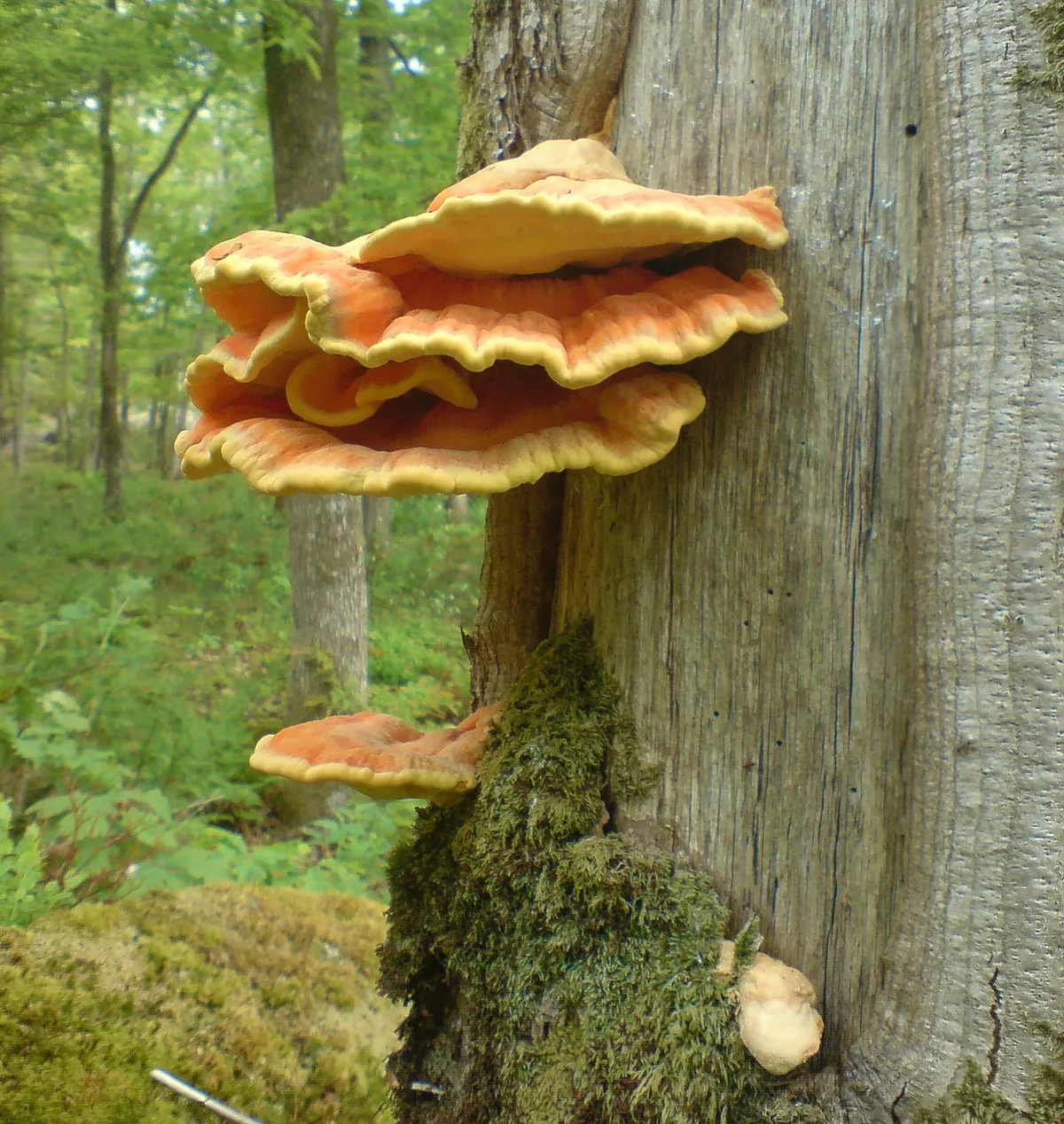 Safety
Last September I stood at the base of a fire-scarred white oak in the Blue Ridge foothills and pulled twelve pounds of Laetiporus sulphureus from a single...