Guide

Can Two Mushrooms Look Identical But Differ in Toxicity?

Paul Stamets — Mycologist & Fungi Expert

Paul Stamets

Mycologist · Author · Fungi Expert

Updated

Apr 19, 2026

— views

Yes — two mushrooms can look nearly identical and one can kill you while the other is perfectly edible. This is one of the most dangerous realities in…

1. The Lookalike Problem in Mushrooms

Every year, emergency rooms treat hundreds of mushroom poisoning cases — and a large share of them have one thing in common: the victim was certain they had picked something safe. Not because they were careless, but because nature is genuinely deceptive.

The lookalike problem is not a forager myth. It is a documented biological reality backed by toxicology records, mycological research, and thousands of poisoning reports worldwide. Two mushrooms can share the same cap color, gill structure, stem shape, smell, and habitat — and still sit at opposite ends of the toxicity spectrum.

1.1 What Makes Two Mushrooms "Identical" in Appearance

When mycologists say two species are morphological lookalikes, they mean the observable physical features are too similar to distinguish without specialized tools. These shared traits typically include:

  • Cap shape and color — convex, flat, or umbonate; white, brown, olive-green
  • Gill color and attachment — free, adnate, or decurrent; white or cream
  • Stem structure — presence or absence of an annulus (ring) or volva (cup at base)
  • Spore print color — white, brown, pink, or rusty-orange
  • Habitat and season — same woodland floors, same fruiting windows
  • Smell and texture — mild, pleasant odor; firm flesh

The problem is that most casual foragers rely only on these surface-level features. And for the deadliest lookalike pairs, those features are not enough.

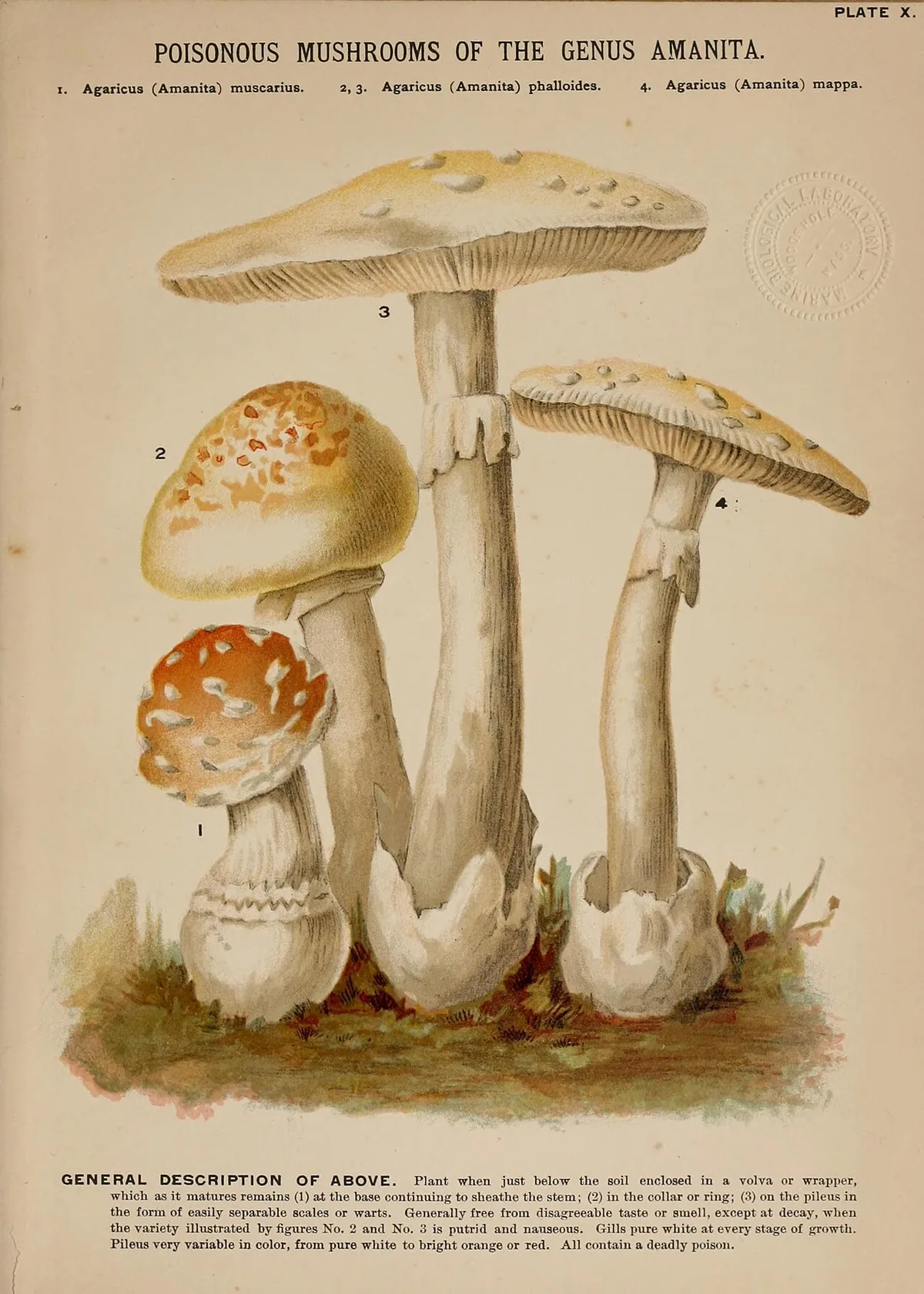
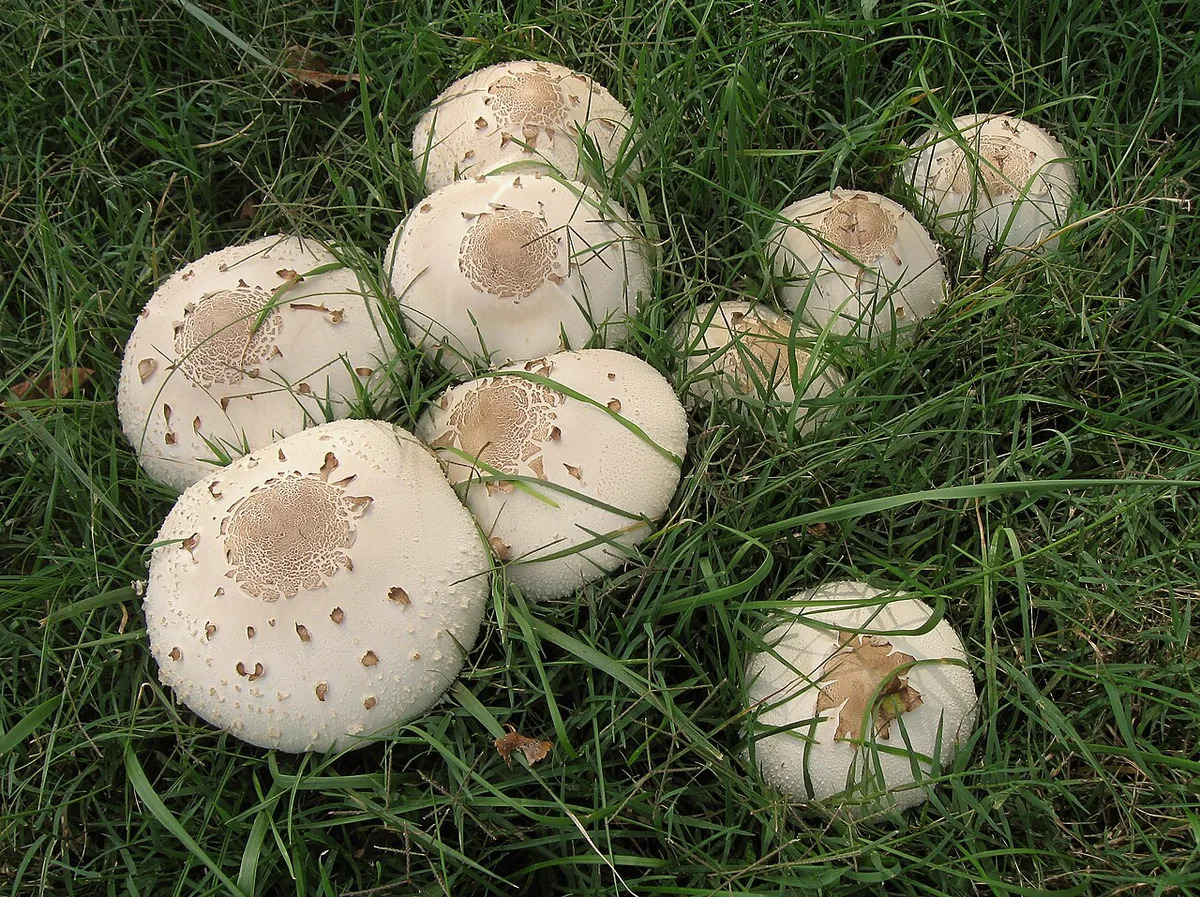
Take Amanita phalloides in its early button stage — it emerges from a white egg-like volva, pale and featureless. At that stage, it looks nearly identical to Agaricus campestris (the common field mushroom) or even Volvariella volvacea. The Death Cap does not announce itself.

1.2 Why Toxicity Can Differ Despite Similar Looks

Here is the core biological truth: appearance and chemistry evolved independently in fungi.

A mushroom's shape is largely driven by spore dispersal mechanics, moisture retention, and animal interaction. Its toxin production is driven by entirely different evolutionary pressures — defense against insects, bacteria, competing fungi, and grazing animals.

Two species can converge on the same shape for completely unrelated reasons while their internal biochemistry takes entirely different paths. This is why:

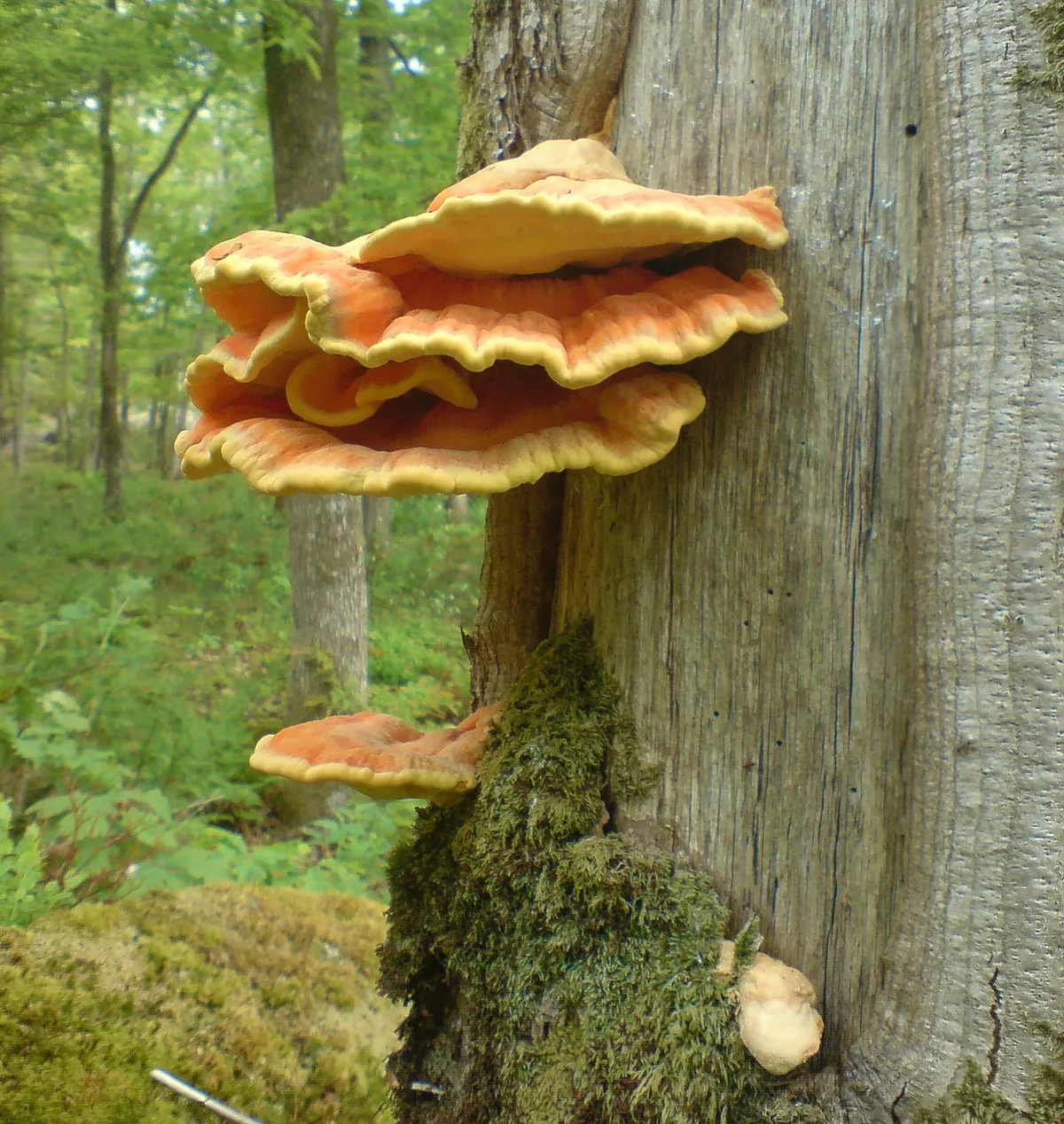
  • Cantharellus cibarius (Chanterelle) and Omphalotus olearius (Jack-o'-lantern) look similar in the field but one contains no toxins while the other contains illudin S, causing severe gastrointestinal distress
  • Galerina marginata and Armillaria mellea (Honey mushroom) share overlapping growth patterns on dead wood, but Galerina contains the same alpha-amanitin found in Death Caps
  • Morchella (true Morel) and Gyromitra esculenta (false Morel) share a wrinkled cap that foragers associate with safety — but Gyromitra produces gyromitrin, which metabolizes into a hydrazine compound toxic to the liver

The chemistry is invisible. The shape is not. That mismatch is what makes lookalike mushrooms genuinely dangerous.


2. Convergent Evolution & Morphological Mimicry

To understand why lookalike mushrooms exist at all, you need to understand convergent evolution — one of the most powerful and underappreciated forces in biology.

2.1 How Unrelated Species Evolve Similar Forms

Convergent evolution happens when two species that share no recent common ancestor independently evolve similar traits because they face similar environmental pressures.

In fungi, this plays out constantly. A cap that is broad and convex sheds rain efficiently, protects the gills, and maximizes spore dispersal — so many unrelated species evolve that same shape. A pale white or brown coloration blends into leaf litter and forest floors — so many unrelated species converge on those colors.

The result: dozens of species that look alike on the surface, built from completely different genetic blueprints and chemical compositions.

Feature Driven By Shared Across Species?
Cap shape Spore dispersal, rain protection Yes — convergent
Color Camouflage, UV protection Yes — convergent
Gill structure Spore surface area Often convergent
Toxin chemistry Defense, competition No — species-specific
Spore morphology Reproduction Partially — taxonomic

This table captures the core issue: the features we use to identify mushrooms by eye are the ones most likely to be shared across unrelated species. The features that differ — toxins, spore ultrastructure, DNA — require laboratory analysis to detect.

Convergent evolution is also why field guides can be misleading for beginners. A guide that says "white gills, white stem, pleasant smell — edible" may be describing dozens of species, some safe, some lethal.

2.2 Cryptic Species and Phenotypic Plasticity

Beyond convergent evolution, there are two more biological phenomena that deepen the lookalike problem.

Cryptic species are organisms that are genetically distinct but morphologically indistinguishable — meaning they look identical under any standard visual inspection. In mycology, DNA barcoding using the ITS (Internal Transcribed Spacer) sequencing method has revealed that many mushrooms previously classified as a single species are actually clusters of genetically distinct species. Some of those hidden species are toxic; others are not.

Amanita phalloides itself was long thought to be a single species across Europe and North America. Molecular analysis later confirmed that North American populations are a distinct lineage — meaning the "same" mushroom you see in a European foraging guide may not be genetically identical to what is growing in your local forest.

Phenotypic plasticity adds another layer of confusion. A single mushroom species can look dramatically different depending on:

  • Moisture levels during fruiting
  • Substrate (soil type, decaying wood species)
  • Light exposure
  • Temperature at time of development
  • Age of the fruiting body

A young Amanita button emerging in wet soil looks nothing like an older, dried specimen. A Galerina marginata growing on oak may look different from one growing on pine. These environmental variations mean the "same" species can look like several different ones — and a "different" species can look identical at certain growth stages.

The practical implication: even experienced foragers can be fooled under the right conditions. This is not a beginner problem. It is a biology problem.


3. Deadly Lookalike Pairs — Case by Case

The following sections break down the most documented and dangerous lookalike pairs in mycology. Each pair illustrates a different dimension of the identification problem — whether it is morphological similarity, shared habitat, overlapping growth seasons, or cultural misidentification.

These are not rare edge cases. They represent the most common sources of fatal mushroom poisoning globally. Understanding them specifically — not just abstractly — is what separates a safe forager from a statistic.

The toxins involved span multiple chemical families: alpha-amanitin, phallotoxins, orellanine, gyromitrin, muscarine, and ibotenic acid. Each works differently in the body, each has a different onset timeline, and each requires a different medical response. That context matters for each pair.


4. Death Cap vs. Caesar's Mushroom & Paddy Straw

Amanita phalloides is responsible for roughly 90% of fatal mushroom poisoning deaths worldwide. It does not kill through rarity or obscurity — it kills because it looks like things people confidently eat.

4.1 Amanita phalloides vs. Amanita caesarea

Amanita caesarea — Caesar's mushroom — has been prized as an edible delicacy since Roman times. It is genuinely delicious, widely foraged across Southern Europe and parts of Asia, and carries no toxins. The problem is its early button stage.

When Amanita caesarea first emerges, it is enclosed in a white egg-like universal veil — a smooth, ovoid structure pushing up from the soil. At that exact stage, Amanita phalloides emerges in an almost identical white egg.

Side-by-side comparison at button stage:

Feature A. caesarea (edible) A. phalloides (deadly)
Button color White egg, orange interior White egg, white/pale interior
Cap (mature) Vivid orange-red Olive-green to yellow-green
Gills Yellow White
Stem Yellow White
Volva White, sack-like White, sack-like
Annulus Yellow, striped White, skirt-like
Toxins None Alpha-amanitin, phallotoxins

The critical tell is the interior color of the button and the gill color at maturity — but at the button stage, those features are hidden inside the veil. Foragers who cut the egg open should see an orange interior for caesarea and a white interior for phalloides — but in low light, on a muddy forest floor, that color difference is easy to miss.

Why this pair causes fatalities:

  • Both species grow in the same oak and chestnut woodland habitats
  • Both fruit in late summer and autumn
  • Cultural confidence among Southern European foragers who grew up eating caesarea leads to undercritical identification
  • Immigrant communities from regions where caesarea is common often encounter phalloides in new countries without recognizing the shift

The toxin mechanism matters here. Alpha-amanitin inhibits RNA polymerase II — the enzyme responsible for transcribing DNA into messenger RNA. Without it, cells cannot produce proteins and begin dying. The liver takes the worst damage because it is the primary site of toxin metabolism. Critically: symptoms are delayed 6–24 hours after ingestion, during which time significant cellular damage has already occurred. By the time nausea and vomiting begin, the toxin has already done its work.

4.2 Amanita phalloides vs. Volvariella volvacea

This pairing is particularly deadly in Southeast Asian communities. Volvariella volvacea — the paddy straw mushroom — is one of the most widely consumed edible mushrooms in Asia. It is cultivated commercially and sold in markets across Vietnam, China, Thailand, and beyond.

The confusion arises when wild Amanita phalloides or related Amanita species grow near rice paddies or in subtropical woodlands where straw mushrooms are foraged. Both species:

  • Emerge from a volva (egg sac)
  • Have a pale, smooth cap at the button stage
  • Grow in clusters in warm, humid conditions
  • Appear seasonally at the same time

Key identification differences:

Feature V. volvacea (edible) A. phalloides (deadly)
Gills Pink (spores pink) White (spores white)
Spore print Pink White
Annulus Absent Present
Volva Loose, membranous Cup-shaped, deep
Cap texture Smooth, grey-brown Smooth, olive-green

The spore print is the most reliable field differentiator — pink for Volvariella, white for Amanita. But a spore print takes hours to develop and requires leaving the mushroom undisturbed on paper. In practical foraging, this step is often skipped.

Cases of mass poisoning linked to this confusion have been documented in California (Vietnamese immigrant communities), Australia, and multiple Southeast Asian countries. This is not a failure of knowledge — it is a failure of the identification system under real-world field conditions.


5. Destroying Angel vs. Common Field Mushroom

If the Death Cap is the most famous killer, the Destroying Angel (Amanita bisporigera in North America, Amanita virosa in Europe) is arguably the most visually deceptive. It is pure white — clean, attractive, and completely free of any of the visual cues people associate with danger.

5.1 Amanita bisporigera Identification

Amanita bisporigera is one of the few mushrooms that is dangerous at every growth stage, in every condition, in any amount. A single cap — approximately 30g of fresh mushroom — contains enough alpha-amanitin to kill an adult human. The toxin is not neutralized by cooking, drying, or freezing.

Its distinguishing features:

  • Cap: Pure white, smooth, 5–12cm across, convex then flat
  • Gills: Free, crowded, white
  • Stem: White, 10–20cm tall, with a delicate white skirt-like annulus
  • Volva: Deep, white, cup-shaped — often buried in soil and easily missed
  • Spore print: White
  • Smell: Faintly sweet when young, unpleasantly chemical when mature

The volva is the most important identifying feature — but it is frequently left behind in the soil when the mushroom is picked carelessly. A forager who yanks the stem rather than digging around the base may never see it.

5.2 Where Foragers Go Wrong

The species most commonly confused with the Destroying Angel are:

Agaricus campestris (Field mushroom) / Agaricus bisporus (Button mushroom)

  • Both are white-capped, white-stemmed, with an annulus
  • The critical difference: Agaricus gills turn pink then brown as they mature; Amanita gills remain white permanently
  • Agaricus lacks a volva; Amanita has one
  • Agaricus spore print is chocolate brown; Amanita spore print is white

Young Agaricus xanthodermus (Yellow-staining mushroom)

  • Also white, also has an annulus
  • Stains yellow when cut — Amanita bisporigera does not
  • Agaricus xanthodermus is toxic but rarely fatal; Amanita bisporigera is lethal
Check Field Mushroom (Agaricus) Destroying Angel (Amanita)
Gill color Pink → brown with age White, always
Spore print Chocolate brown White
Volva at base Absent Present (often buried)
Stem base Club-shaped Bulbous with cup
Cut flesh White, may yellow White, no color change
Smell Anise or mushroomy Faintly sweet to chemical

The most dangerous scenario is picking young white buttons before the gills have developed their pink color. At that stage, the gill-color test — the most reliable field check — does not yet work. This is precisely the growth window where most fatal misidentifications occur.

The delayed toxicity problem compounds this. Symptoms of Amanita poisoning (nausea, vomiting, abdominal pain) begin 6–24 hours after ingestion. By then, the toxin has already been absorbed and has begun destroying liver cells. The initial gastrointestinal phase may then temporarily resolve — a false recovery window lasting 1–3 days — before fulminant liver failure sets in. This delay is what makes alpha-amanitin so lethal: people feel better and delay seeking treatment, not realizing the damage is accelerating internally.


Next: Sections 6–10 cover Galerina vs. Honey Mushroom, Chanterelle vs. Jack-o'-Lantern, True Morel vs. False Morel, the full toxin profiles, and the delayed-onset toxicity mechanism in clinical detail.


6. Deadly Galerina vs. Honey Mushroom

Of all the dangerous lookalike pairs in this article, the Galerina marginata / Armillaria mellea confusion is the one that catches experienced foragers off guard most often. Honey mushrooms are genuinely beloved — productive, reliable, widely distributed, and deeply embedded in foraging traditions across North America, Europe, and Asia. Galerina marginata exploits that familiarity.

6.1 Galerina marginata vs. Armillaria mellea

Both species grow in dense clusters on dead or dying wood. Both are small to medium-sized brown mushrooms with a ring on the stem. Both fruit in autumn. Both appear on the same fallen logs, stumps, and buried roots that foragers return to year after year.

Galerina marginata contains the same alpha-amanitin found in Amanita phalloides. Gram for gram, it is one of the most toxic mushrooms in the world. What makes it uniquely dangerous is not its appearance in isolation — it is its habit of growing intermingled with Armillaria mellea on the same substrate, sometimes within centimeters of each other.

Direct comparison:

Feature Armillaria mellea (edible) Galerina marginata (deadly)
Cap color Honey-yellow to tawny brown, scaly center Cinnamon to rust-brown, smooth
Cap scales Present — darker brown fibrils Absent — uniformly smooth
Gill color White to cream, may spot brown Rusty-brown, darkening with age
Spore print White Rusty-brown
Annulus Thick, shaggy, persistent Thin, fragile, often disappears
Cluster size Large, sometimes hundreds Small clusters, 3–15 caps
Substrate Living or dead hardwood and conifers Dead wood, mossy logs, woody debris

The spore print is the clearest differentiator — white for Armillaria, rusty-brown for Galerina. The annulus is the second most useful check: Armillaria's ring is thick and cottony, often with a scalloped edge; Galerina's ring is a thin, fragile membrane that frequently weathers off in rain or collapses against the stem, leaving no visible trace.

That last point is critical. A wet season, a few days of rain, an older specimen — and the Galerina annulus vanishes. At that point, the two mushrooms growing side by side on the same log become extremely difficult to separate by eye.

6.2 Shared Habitat as a Confusion Factor

The habitat overlap between these two species is not incidental. Galerina marginata actively colonizes the same decaying wood that Armillaria favors. The biological reason: both species are saprotrophic decomposers targeting similar woody substrates. They occupy the same ecological niche, which is precisely why they appear together.

For a forager harvesting a large Armillaria flush — cutting quickly through a productive cluster — the risk of inadvertently including Galerina caps is real. Poisoning cases linked to this pair typically involve mixed harvests, not straightforward misidentification of a single specimen.

The lesson from this pair is specific: never harvest brown-capped clustered mushrooms from wood without checking every individual cap. A basket of 200 Honey mushrooms with 3 Galerina caps mixed in is still a potentially lethal basket. The toxin load from even a few caps is sufficient to cause serious liver damage.


7. Chanterelle vs. Jack-o'-Lantern

The Chanterelle / Jack-o'-lantern pairing is the most geographically widespread lookalike confusion in temperate foraging. Cantharellus cibarius is one of the most commercially valuable and widely foraged edible mushrooms in the world. Omphalotus olearius — and its North American counterpart Omphalotus illudens — is a bioluminescent toxic lookalike that causes severe gastrointestinal illness.

7.1 Cantharellus cibarius vs. Omphalotus olearius

Both are vivid orange-yellow mushrooms. Both grow in woodland settings. Both are medium to large in size. At a glance, in poor light or at distance, they look strikingly similar. But up close, the differences are consistent and reliable — if you know what to look for.

Feature Cantharellus cibarius (edible) Omphalotus olearius (toxic)
Gills False gills — forked, blunt ridges that run down the stem True gills — thin, sharp, crowded blades
Gill structure Cannot be cleanly separated from cap flesh Separate cleanly like paper
Growth Solitary or scattered on forest floor soil Dense clusters at tree base or on buried roots
Cap edge Wavy, irregular, lobed Smooth to slightly wavy
Flesh White to pale yellow when cut Orange throughout
Smell Fruity, apricot-like Mild, not fruity
Bioluminescence None Gills glow faintly green in complete darkness

The gill structure is the most important differentiator and the one no forager should skip. Cantharellus does not have true gills — it has blunt, forking ridges that are an extension of the cap flesh, running partway down the stem. They feel waxy and cannot be peeled away cleanly. Omphalotus has true knife-blade gills — thin, sharp, closely spaced — that separate easily from the cap.

Run your finger across the underside. If the "gills" feel like rounded ridges that fork repeatedly toward the margin, you have a Chanterelle. If they feel like thin, sharp blades, put it down.

7.2 Key Visual Traps

Several conditions make this pair harder to distinguish in the field:

1. Lighting. In the dappled shade of an oak woodland, the orange-yellow color of both species looks nearly identical. The subtle difference in cap edge shape and gill texture requires close inspection that tired or hurried foragers skip.

2. Age and weathering. Young Cantharellus buttons before the cap has fully unfurled and the false gills have developed can briefly resemble young Omphalotus caps. Conversely, old weathered Omphalotus caps may lose their cluster structure if some stems have rotted away, making a remnant cap look solitary.

3. The buried root problem. Omphalotus grows on wood — always. But it often grows on buried roots far from the visible tree base, making it appear to grow from soil like Cantharellus. A forager who does not dig around the base of the stem to check for wood attachment can miss this entirely.

Toxin note: Omphalotus contains illudin S, a sesquiterpene compound that disrupts DNA synthesis and causes rapid-onset severe gastrointestinal distress — nausea, vomiting, and cramping beginning within 1–3 hours. It is rarely fatal in healthy adults but causes significant suffering and, in vulnerable individuals, dangerous dehydration. Unlike Amanita toxins, illudin S does not cause delayed organ failure — the onset is fast and the recovery, while miserable, is typically complete.


8. True Morel vs. False Morel

The Morel / False Morel pairing occupies a unique place in this discussion because it breaks a rule that most foragers rely on: if it looks like a Morel, it must be a Morel. The distinctive honeycombed cap of Morchella species is so unusual that many beginners assume nothing else looks like it. Gyromitra esculenta proves that assumption dangerously wrong.

8.1 Morchella vs. Gyromitra esculenta

Both Morchella (true Morel) and Gyromitra esculenta (false Morel, brain mushroom, or turban fungus) are spring-fruiting species. Both have irregularly wrinkled, brain-like caps on pale hollow stems. Both grow in similar habitats — disturbed woodland edges, burned areas, sandy soils under conifers. Both are medium-sized with a hollow interior when cut.

Structural comparison:

Feature Morchella spp. (edible) Gyromitra esculenta (toxic)
Cap structure Regular honeycomb — pits and ridges, fully attached to stem Irregular lobes and folds — saddle-shaped, partially attached
Cap attachment Cap attached to stem along its entire base Cap attached at center top only, lobes hang free
Interior (cut in half) Completely hollow, single continuous cavity Chambered, with internal folds and cotton-like fibers
Cap color Tan, grey, brown, black depending on species Reddish-brown, chestnut, purplish
Season Early spring, often with snow still on ground Spring, slightly later than Morchella
Habitat Orchards, elm trees, burn sites, disturbed soil Under conifers, sandy soils, mountain forests

The interior cross-section is the most definitive check. A true Morel, cut vertically, is completely hollow — one clean cavity from cap tip to stem base. A Gyromitra, cut the same way, reveals a chambered interior with irregular partitions and cottony material filling parts of the stem.

8.2 Why Cooking Doesn't Always Neutralize Toxins

Gyromitra esculenta contains gyromitrin — a hydrazine precursor that converts to monomethylhydrazine (MMH) in the body. MMH is the same compound used as rocket fuel propellant. It interferes with vitamin B6 metabolism, disrupts GABA synthesis in the brain, and causes direct hepatotoxic and hemolytic damage.

The complication — and the reason this species remains in some regional foraging traditions — is that gyromitrin is volatile. Boiling Gyromitra with the pot uncovered, discarding the cooking water, and repeating the process does reduce toxin levels significantly. In parts of Eastern Europe and Scandinavia, Gyromitra has historically been eaten after this parboiling process.

The problems with this approach:

  • Toxin reduction is inconsistent. Individual mushrooms vary in gyromitrin content based on geography, substrate, and growth conditions. What is safe in one batch may not be safe in the next.
  • Inhaling steam from boiling Gyromitra causes toxin exposure through the respiratory tract. Documented poisoning cases involve people who cooked the mushroom correctly but were sickened by the steam.
  • Drying concentrates rather than removes the toxin. Dried Gyromitra is more dangerous per gram than fresh.
  • Cumulative exposure over a foraging season may build to toxic levels even if individual meals are sub-threshold.

The scientific consensus is clear: Gyromitra esculenta should not be consumed. The traditional parboiling methods offer inconsistent protection and introduce new exposure pathways. No preparation technique reliably eliminates risk.


9. The Toxins Behind the Danger

Every lookalike pair discussed so far derives its danger from a specific chemical compound — or family of compounds — that the toxic species synthesizes and the edible species does not. These toxins are not interchangeable. They work through fundamentally different mechanisms, affect different organ systems, and require different medical interventions.

9.1 Alpha-Amanitin and RNA Polymerase II Inhibition

Alpha-amanitin is the most clinically significant mushroom toxin in the world. It is a bicyclic octapeptide — a small, tightly folded protein structure — produced primarily by Amanita phalloides, Amanita bisporigera, Amanita virosa, Galerina marginata, and certain Lepiota species.

Its mechanism is precise and catastrophic: alpha-amanitin binds to and blocks RNA polymerase II, the enzyme that transcribes DNA into messenger RNA in eukaryotic cells. Without functional RNA polymerase II, cells cannot produce the proteins required for basic metabolism, repair, and survival. They die.

The organs most affected are those with the highest rates of protein turnover:

  • Liver — primary site of toxin metabolism; hepatocytes are most severely damaged
  • Kidneys — secondary site of excretion; tubular cells are damaged during clearance
  • Gastrointestinal tract — rapidly dividing intestinal cells are affected early

Clinical timeline of alpha-amanitin poisoning:

Phase Timing Symptoms
Latent phase 0–6 hours None — no symptoms
GI phase 6–24 hours Severe nausea, vomiting, watery diarrhea, cramping
False recovery 24–72 hours Apparent improvement, patient feels better
Hepatorenal phase 72–96 hours Jaundice, liver enzyme elevation, kidney failure, coagulopathy
Terminal phase 4–8 days Fulminant liver failure, multiorgan failure, death without transplant

The latent phase is what makes alpha-amanitin uniquely lethal. A person who eats a Death Cap at dinner feels nothing overnight. By morning they may feel mildly unwell. By the time severe symptoms arrive — typically 12–24 hours post-ingestion — significant hepatic necrosis has already occurred. The false recovery window between days 2–3 delays hospital visits further. By day 4–5, the window for effective intervention may have already closed.

There is no antidote. Treatment is aggressive supportive care — silibinin (milk thistle extract), N-acetylcysteine, penicillin G, and in severe cases, liver transplantation.

9.2 Phallotoxins, Orellanine, Gyromitrin, Muscarine, and Ibotenic Acid

Beyond alpha-amanitin, the toxic mushroom world contains a chemically diverse arsenal of compounds — each with its own target and timeline.

Phallotoxins Produced alongside amatoxins in Amanita phalloides, phallotoxins — primarily phalloidin — stabilize actin filaments in cell membranes, preventing normal cellular dynamics. They contribute to gastrointestinal damage but are poorly absorbed orally and are considered secondary to alpha-amanitin in systemic toxicity. Their primary importance is in the acute GI phase of Amanita poisoning.

Orellanine Produced by Cortinarius species — particularly Cortinarius orellanus and Cortinarius rubellarius — orellanine is a bipyridine compound that generates free radicals in kidney tubule cells, causing progressive and often irreversible renal failure.

What makes orellanine uniquely sinister is its extreme latency: symptoms appear 2–3 weeks after ingestion, sometimes as late as 6 weeks. By the time kidney damage becomes clinically apparent, the mushroom meal is a distant memory. Patients frequently cannot identify what caused their illness. Many progress to end-stage renal disease requiring dialysis or kidney transplant, with no connection ever made to the meal that caused it. Cortinarius species are occasionally confused with edible Dermocybe or Russula species in European and Scandinavian foraging contexts.

Gyromitrin As covered in Section 8, gyromitrin from Gyromitra esculenta metabolizes to monomethylhydrazine. Its toxicity involves:

  • Inhibition of pyridoxal phosphate (active vitamin B6), disrupting numerous enzyme systems
  • Hemolysis — destruction of red blood cells
  • Methemoglobin formation, reducing blood oxygen-carrying capacity
  • Direct hepatotoxicity similar in some respects to Amanita poisoning

Onset is faster than amatoxins (6–12 hours) but slower than irritant toxins.

Muscarine Found in Inocybe and Clitocybe species — neither of which appears prominently in the lookalike pairs above but frequently causes poisoning in European foraging contexts. Muscarine is a quaternary ammonium compound that directly stimulates muscarinic acetylcholine receptors in the parasympathetic nervous system.

Symptoms follow the classic SLUDGE toxidrome: Salivation, Lacrimation, Urination, Defecation, GI distress, Emesis. Onset is rapid — within 30 minutes — and responds well to atropine treatment, making it one of the more manageable mushroom toxidromes despite being unpleasant.

Ibotenic Acid and Muscimol These compounds are found in Amanita muscaria (fly agaric) and Amanita pantherina. Ibotenic acid is a glutamate receptor agonist; muscimol is a GABA-A receptor agonist. Together they produce the well-documented psychoactive and neurological effects associated with these species — confusion, sedation, euphoria, delirium, and in high doses, seizures and coma.

Amanita muscaria is visually distinctive enough — its iconic red cap with white spots — that it is rarely confused accidentally with edible species. Amanita pantherina, however, is brown-capped and more easily mistaken for edible Amanita species in Central and Eastern Europe.


10. Delayed-Onset Toxicity — The Silent Killer

Across the toxin profiles above, one pattern appears repeatedly and deserves its own focused discussion: the gap between ingestion and symptom onset is not random — it is mechanistically determined, and it is what turns manageable poisonings into fatalities.

10.1 Why Amanita and Cortinarius Poisoning Is Caught Too Late

The key insight is this: toxin onset time is inversely correlated with clinical outcomes for the deadliest mushroom toxins.

Toxins like muscarine and illudin S cause rapid symptoms — within 30 minutes to 3 hours. The patient connects the symptom to the meal immediately. Medical treatment begins quickly. Outcomes are generally good.

Toxins like alpha-amanitin and orellanine cause no immediate symptoms. The patient has no reason to seek help. By the time symptoms appear, the biochemical damage is already catastrophic.

Comparative onset timeline across toxin types:

Toxin Species Symptom Onset Primary Organ Outcome if Untreated
Muscarine Inocybe, Clitocybe 30 min – 2 hrs Autonomic nervous system Rarely fatal
Illudin S Omphalotus spp. 1–3 hrs GI tract Rarely fatal
Ibotenic acid/Muscimol A. muscaria 30 min – 2 hrs CNS Rarely fatal
Gyromitrin Gyromitra esculenta 6–12 hrs Liver, blood Potentially fatal
Alpha-amanitin Amanita, Galerina 6–24 hrs (GI); 72+ hrs (organ) Liver, kidneys Frequently fatal without transplant
Orellanine Cortinarius spp. 2–6 weeks Kidneys Chronic renal failure common

This table reveals a clear pattern: the longer the delay, the more severe the outcome. This is not a coincidence — it reflects how deeply these toxins penetrate cellular machinery before triggering the inflammatory and necrotic responses that produce visible symptoms.

For alpha-amanitin specifically, the false recovery window between days 2 and 3 is clinically documented and particularly dangerous. Emergency physicians treating Amanita poisoning cases describe patients who arrive on day 1 in distress, stabilize, and are nearly discharged as "improving" — before crashing on day 4 into fulminant hepatic failure. This pattern has been reported in case studies globally and represents a known pitfall in emergency medicine.

The practical implication for foragers and medical responders:

  • Any suspected mushroom ingestion involving Amanita, Galerina, Cortinarius, or Gyromitra should be treated as a medical emergency regardless of current symptoms
  • Poison control centers consistently recommend: if the meal was more than 6 hours before symptoms began, assume a dangerous amatoxin-class poison until proven otherwise
  • Symptom absence is not safety reassurance when delayed-onset species are suspected
  • Early biomarkers — liver enzymes (AST, ALT), urinalysis, and serum amatoxin testing where available — are the only reliable early indicators of Amanita poisoning in the asymptomatic window

The biology here is unforgiving. A mushroom that tastes fine, causes no immediate discomfort, and produces no symptoms for a full day is not a safe mushroom. It may be the most dangerous meal a person ever eats.


Next: Sections 11–13 cover the full identification toolkit — spore prints, volva structure, chemical spot tests, microscopy, and DNA barcoding — plus a closing argument for why visual identification alone is never a sufficient safety standard.


11. How to Actually Tell Them Apart

Every lookalike pair covered in this article has at least one reliable differentiator — but that differentiator is rarely visible at a glance. Safe identification requires a layered approach: starting with field observations, moving to physical tests, and when stakes are high enough, escalating to laboratory methods.

The five techniques below are not alternatives to each other. They are a hierarchy. Each layer adds certainty. Each layer also requires more time, equipment, or expertise than the one before it. Understanding all five — and knowing when to apply which — is what separates responsible foraging from gambling with biology.

11.1 Spore Print Color

The spore print is the single most underused and most reliable field identification tool available to foragers without specialized equipment. It costs nothing, requires no chemicals, and can be done with a piece of paper and a glass. Yet most mushroom poisoning cases involve victims who never took one.

How to take a spore print:

  1. Remove the cap cleanly from the stem
  2. Place it gill-side down on a piece of paper — use white paper and black paper side by side, since some spore colors are only visible against one background
  3. Cover with a glass or bowl to prevent air currents
  4. Leave undisturbed for 2–6 hours, or overnight for the clearest result
  5. Lift the cap carefully and observe the deposit left on the paper

Spore print color reference for key species:

Species Spore Print Color Edible/Toxic
Amanita phalloides White Deadly
Amanita bisporigera White Deadly
Amanita caesarea White Edible
Volvariella volvacea Pink Edible
Agaricus campestris Chocolate brown Edible
Galerina marginata Rusty-brown Deadly
Armillaria mellea White Edible
Cantharellus cibarius Pale yellow-white Edible
Omphalotus olearius White to pale cream Toxic
Gyromitra esculenta Cream to pale ochre Toxic
Morchella spp. Cream to pale ochre Edible
Cortinarius spp. Rusty-brown Toxic

Three critical observations from this table:

First, the Volvariella / Amanita split — pink vs. white — is definitive and easy to see. A pink spore print eliminates every deadly Amanita species immediately. This single check could prevent the majority of Volvariella / Amanita phalloides confusion fatalities.

Second, Galerina marginata and Armillaria mellea diverge cleanly: rusty-brown vs. white. The problem is that in a mixed harvest, individual caps may not be tested separately. Every cap needs its own print if the stakes are high.

Third, Gyromitra and Morchella share nearly identical pale spore print colors — one of the few cases where spore print alone does not resolve the identification. This is why cross-section interior structure (Section 8) is the primary differentiator for that pair, not spore print.

Practical limitation: A spore print requires time. In field conditions, most foragers are not waiting 4 hours before putting a mushroom in their basket. The solution is to take prints at home before cooking, using the same cap you intend to eat. If the print color does not match what you expected, do not proceed.


11.2 Volva, Annulus, and Gill Attachment

These three morphological features — the volva at the base, the annulus on the stem, and the manner in which gills attach to the stem — collectively define the genus Amanita more reliably than any surface-level appearance. Learning to read them correctly eliminates the most lethal identification errors.

The Volva

The volva is the remnant of the universal veil — a membrane that completely enclosed the young mushroom as it developed underground. As the mushroom expands, it bursts through this membrane, which remains as a cup or sack at the base of the stem.

In Amanita phalloides and Amanita bisporigera, the volva is a deep, white, membranous cup that partially buries itself in soil as the mushroom grows. This is precisely why it is so often missed: careless picking leaves the volva behind in the ground, and the harvested mushroom appears to have a plain bulbous base with no distinguishing features.

Correct procedure: Always dig around the base of any white or pale mushroom before picking. Use a knife to excavate a 3–5cm radius around the stem base. The presence of a volva — any cup, sheath, or sack-like structure at the base — should immediately trigger extreme caution.

Agaricus species, which are among the most common edible lookalikes for Destroying Angel, never have a volva. If you find a volva, you are not holding an Agaricus.

The Annulus

The annulus is the ring of tissue left on the stem when the partial veil — which covered the gills during development — tears away as the cap expands.

Key distinctions:

  • Amanita phalloides: white, skirt-like annulus hanging downward from the upper stem; relatively persistent
  • Amanita bisporigera: similar but more delicate, sometimes tattered
  • Agaricus campestris: double-layered annulus, more substantial, often with a cogwheel pattern on the underside
  • Galerina marginata: thin, fragile, often absent on mature or wet specimens — a critical pitfall
  • Armillaria mellea: thick, shaggy, cottony ring that persists well

When the annulus is absent — either because the species lacks one or because it has weathered off — other features must carry more weight. This is when spore print color and volva examination become non-negotiable rather than supplementary.

Gill Attachment

How gills connect to the stem provides genus-level information that is fast to observe and highly consistent:

  • Free gills (gills do not touch the stem): characteristic of Amanita and Agaricus — both the deadly and edible species in these genera share this trait, which is why gill attachment alone cannot distinguish them
  • Adnate gills (gills meet the stem squarely): common in Galerina and many other genera
  • Decurrent gills / false gills (tissue runs down the stem): characteristic of Cantharellus — blunt forking ridges running down the stem are a definitive Chanterelle indicator that Omphalotus never replicates
  • Sinuate gills (gills notched where they meet the stem): common in Tricholoma and related genera

The false gill structure of Cantharellus — discussed in Section 7 — is the most distinctive and foolproof feature in all of edible mushroom identification. No toxic lookalike shares it exactly.


11.3 Chemical Spot Tests (KOH Reaction)

Chemical spot tests are a step up from morphological observation — they probe the mushroom's biochemistry using simple reagents that produce color reactions specific to certain compound classes. They are used routinely by mycologists in the field and can be performed with inexpensive chemicals carried in small dropper bottles.

KOH (Potassium Hydroxide) Reaction

A drop of 10% KOH solution applied to the cap surface, flesh, or gills produces a color change in species whose cell walls contain phenolic compounds, pigments, or specific organic acids that react with a strong base.

Relevant reactions for lookalike identification:

Species KOH Reaction on Cap/Flesh Significance
Agaricus xanthodermus Immediate bright yellow Indicates toxic phenolic compounds — do not eat
Agaricus campestris No reaction or pale yellow Safe to proceed with other checks
Amanita spp. Variable, often no strong reaction KOH less diagnostic here
Gyromitra esculenta Darkens to red-brown Helps separate from some Morchella at cut surface
Various Cortinarius Orange to red on flesh Useful for genus confirmation

The Agaricus xanthodermus / Agaricus campestris KOH reaction is one of the most practically useful spot tests in European foraging. Agaricus xanthodermus (the yellow-staining mushroom) causes gastrointestinal illness in many people and is frequently confused with Agaricus campestris and cultivated button mushrooms. The immediate bright yellow KOH flash on the cap or cut stem base is a reliable flag — though the same reaction can sometimes be triggered by simple pressure or cutting, producing a yellow stain at the stem base without any reagent.

Ferrous Sulfate (FeSO₄) Reaction

A drop of ferrous sulfate solution on the cut flesh produces color reactions useful in Amanita identification:

  • Amanita phalloides: slow grey to grey-green reaction
  • Amanita caesarea: pale reaction
  • Combined with other morphological features, this helps confirm identification in ambiguous early-stage specimens

Limitations of spot tests:

Spot tests are genus-level and species-level tools for trained mycologists who understand how to interpret variable results. They are not binary pass/fail safety tests. A negative KOH reaction does not mean a mushroom is safe. A positive reaction confirms a suspicion; it does not replace full identification. Used correctly as one layer in a multi-tool approach, they add meaningful information. Used as a standalone safety check, they are dangerously incomplete.


11.4 Microscopy — Spore Shape and Cystidia

When morphological features and chemical tests are insufficient — with cryptic species, unusual specimens, or high-stakes confirmation — microscopy provides structural information invisible to the naked eye. Mycological microscopy does not require laboratory-grade equipment; a compound microscope at 400x–1000x magnification, a few staining reagents, and prepared slides are sufficient for most identification work.

Spore Morphology

Spore shape, size, ornamentation, and wall structure are taxonomically consistent within species and often differ significantly between lookalike pairs:

Species Spore Shape Size (µm) Surface
Amanita phalloides Ellipsoid to broadly ellipsoid 8–10 × 6–8 Smooth, amyloid*
Volvariella volvacea Ellipsoid 6–8 × 4–5 Smooth, inamyloid
Galerina marginata Ellipsoid, wrinkled 8–10 × 5–6 Roughened, dextrinoid
Armillaria mellea Ellipsoid 7–9 × 4–5 Smooth, inamyloid
Cantharellus cibarius Ellipsoid 8–11 × 4–6 Smooth, inamyloid
Omphalotus olearius Globose to subglobose 5–8 × 5–7 Smooth, inamyloid

Amyloid = turns blue-black in Melzer's reagent (iodine-based stain); dextrinoid = turns red-brown

The amyloid reaction — tested by mounting spores in Melzer's reagent on a slide — separates many Amanita species from lookalikes immediately. Amanita phalloides spores turn blue-black. Volvariella volvacea spores do not. Under a microscope with Melzer's reagent, this is a fast and definitive test.

Cystidia

Cystidia are sterile cells found on gill edges, gill faces, cap cuticles, and stem surfaces. Their shape — bottle-shaped, thin-walled, thick-walled, encrusted, hair-like — is species-specific and highly diagnostic at the genus and species level.

For the Galerina / Armillaria pair specifically:

  • Galerina marginata gill edge cystidia: thin-walled, cylindrical to fusiform, often with a hair-like projection (chrysocystidia absent)
  • Armillaria mellea gill edge cystidia: clavate (club-shaped), thin-walled, clustered

These structures are consistent across specimens from different habitats and seasons, making them reliable when macroscopic features are compromised by age, weather, or damage.

Practical accessibility: Microscopy removes the lookalike problem almost entirely for trained users. The barrier is learning curve and equipment cost — a functional mycological microscope costs $150–$400 for basic models adequate for spore and cystidia work. For serious foragers, the investment is proportionate to the stakes.


11.5 DNA Barcoding and ITS Sequencing

DNA barcoding represents the current gold standard for mushroom identification — and it has already reshaped how mycologists understand the relationships between species that were previously considered identical.

What ITS Sequencing Is

The ITS (Internal Transcribed Spacer) region is a section of fungal ribosomal DNA that evolves quickly enough to differ between species but consistently enough to be used as a universal fungal barcode. By amplifying and sequencing this region from a mushroom tissue sample, then comparing the result against curated sequence databases (UNITE, GenBank, MycoBank), it is possible to identify a specimen to species level — including cryptic species indistinguishable by any morphological or chemical method.

ITS sequencing has directly resolved several critical identification problems:

  • Confirmed that Amanita phalloides populations in North America are genetically distinct from European populations — with implications for how field guides describe the species
  • Revealed that multiple Galerina species previously grouped under G. marginata have distinct genetic identities, some with different toxin profiles
  • Identified cryptic toxic species within mushroom groups previously considered uniformly safe
  • Resolved Cortinarius species complexes where visual identification had been producing systematic errors in European foraging guides

Accessibility in 2024–2025

DNA barcoding has transitioned from a purely laboratory technique to an increasingly field-accessible tool. Current options include:

  • Consumer sequencing services: Several companies now offer mail-in mushroom identification by ITS sequencing for $15–$30 per sample, with 3–5 day turnaround. Not useful for same-day decisions but highly reliable for retrospective identification or building personal knowledge of a local habitat.
  • Smartphone AI identification apps: Apps like iNaturalist, Shroomify, and Picture Mushroom use image recognition trained on photographic databases. These tools are useful for getting to a genus-level hypothesis but should never be used as a safety confirmation — photographic AI cannot detect toxins, cannot observe structural features below the camera's resolution, and performs poorly on ambiguous or weathered specimens.
  • eDNA and rapid field kits: Research-grade portable PCR kits are beginning to emerge for field use, primarily in research contexts. These are not yet consumer-accessible but represent the direction the technology is heading.

The cryptic species problem — resolved only by DNA

The most important contribution of molecular identification to mushroom safety is the discovery and documentation of cryptic species — organisms that visual inspection, spore printing, microscopy, and chemical testing all identify as the same species, but which are genetically distinct and may differ in toxicity.

Several Amanita species in Asia and North America were consumed safely for generations based on regional foraging traditions — until DNA analysis revealed that what local foragers called one species was actually two or three genetically distinct species, some of which contained amatoxins. This is not a hypothetical risk. It has caused documented fatalities in communities whose traditional knowledge was accurate for their region of origin but failed to transfer to a new geographic context where morphologically identical but genetically distinct species were present.

No field guide, no spore print, no microscope resolves a cryptic species. Only sequencing does. For edible species foraged regularly in large quantities, a one-time ITS confirmation of your local population is meaningful safety insurance.


12. Why Visual ID Alone Is Never Enough

Every technique covered in Section 11 shares one foundational implication: visual identification — looking at a mushroom and deciding based on appearance — is the least reliable tool in the identification hierarchy, and yet it is the one almost everyone uses.

This is not a beginner problem. Experienced foragers with decades of field time have died from Amanita phalloides and Galerina marginata poisoning. Trained mycologists with graduate-level knowledge have been hospitalized. The victims are not uniformly ignorant — they are people who trusted a system of identification that the biology of fungi consistently defeats.

The reasons visual identification fails are now clear from everything covered in this article:

Convergent evolution ensures that unrelated species develop similar appearances for independent reasons. The shape that works for spore dispersal in one genus works in another — regardless of what toxins the second genus produces.

Phenotypic plasticity means the same species looks different across growth stages, moisture conditions, substrates, and seasons. The mushroom in your basket may look nothing like the photograph in your field guide — not because you have a different species, but because your specimen grew under different conditions.

Cryptic species are invisible to all morphological methods. If the species you are looking at has a toxic cryptic twin — genetically distinct but visually identical — no amount of careful looking resolves the problem.

The volva problem means the most important anatomical feature of the most deadly genus is routinely left in the ground when mushrooms are picked without proper technique. A Death Cap without its volva looks, to an untrained eye, like several edible white-capped mushrooms.

The annulus problem means the second most useful Amanita feature — the ring on the stem — is absent in mature, wet, or old specimens of the species most likely to be confused with edible clustered wood-growers (Galerina marginata).

The delayed-onset problem means feedback from eating a mushroom — the most direct test of all — does not arrive in time to be useful. By the time the body signals danger, the window for preventing catastrophic organ damage has often already closed.

What responsible identification actually looks like:

Safe wild mushroom consumption is not a matter of being "careful enough" with visual inspection. It is a matter of applying the right tools in the right sequence:

  1. Before picking: identify habitat, substrate, growth pattern, and season — eliminate impossible species from consideration
  2. At picking: excavate the base, check for volva, check annulus condition, assess gill type and color — eliminate high-risk genera
  3. At home: take a spore print on white and black paper — resolve the most critical color-based distinctions
  4. Before cooking: cross-section the specimen, check interior structure, apply KOH if Agaricus identification is in question
  5. For uncertain species: use microscopy or submit for ITS sequencing before consumption

This is not an excessive protocol. It takes 4–6 hours total — mostly passive waiting for a spore print. For a meal that could kill a person if misidentified, those hours are not a burden. They are the minimum reasonable standard.

The mushrooms covered in this article — Amanita phalloides, Amanita bisporigera, Galerina marginata, Gyromitra esculenta, Cortinarius species, and their edible lookalikes — have been killing people for as long as humans have foraged. They will continue to do so wherever foragers rely on appearance alone.

The biology is not going to change. The identification approach has to.


This article covered 12 sections examining the full spectrum of the mushroom lookalike problem — from evolutionary biology and cryptic species to clinical toxicology and molecular identification. The answer to the original question remains the same throughout: yes, two mushrooms can look identical and differ completely in toxicity, and the only reliable protection is a layered identification process that goes well beyond what the eye can see.


Comments

Sign in to leave a comment and join the discussion.
Start Identifying Safely Today

Join thousands of foragers using AI-powered identification