Oyster Mushroom Identification Guide: Chart, Pictures, Lookalikes (UK & Australia)

Nathan Cole
Mycologist · Author · Fungi Expert
Updated
Apr 15, 2026
Oyster mushroom identification is one of the easiest ways to start learning wild fungi, but it still requires careful observation. To identify Pleurotus ostreatus, look for fan-shaped caps, clustered growth on wood, and Decurrent gills.
These mushrooms grow in many regions, including the UK and Australia, often on dead hardwood. Using tools like an oyster mushroom identification chart, oyster mushroom identification pictures, or a mushroom scan app can help—but accurate identification depends on combining structure, habitat, and spore print, not just visuals.
Introduction to Oyster Mushroom Identification (UK, Australia, and Global Context)
Oyster mushrooms are among the most commonly searched fungi for beginners, especially in queries like:
- oyster mushroom identification UK
- oyster mushroom identification Australia
- how to identify oyster mushrooms
These mushrooms are popular because they are widely distributed, easy to recognize, and commonly grow in clusters on wood.
In regions like the UK and Australia, oyster mushrooms appear in:
- Forests
- Parks
- Dead logs and tree trunks
However, even though they are considered beginner-friendly, correct identification is still essential because oyster mushroom lookalikes exist and can cause confusion.
Why identification matters?
- Many mushrooms grow in similar clusters
- Some lookalikes share the same color and shape
- Environmental conditions can change appearance
Using oyster mushroom identification pictures and charts helps, but only when combined with real-world observation.
Key Identification Features of Oyster Mushrooms Using Decurrent gills and Spore print
Oyster mushrooms have a distinct structure that makes them easier to identify compared to many other species.
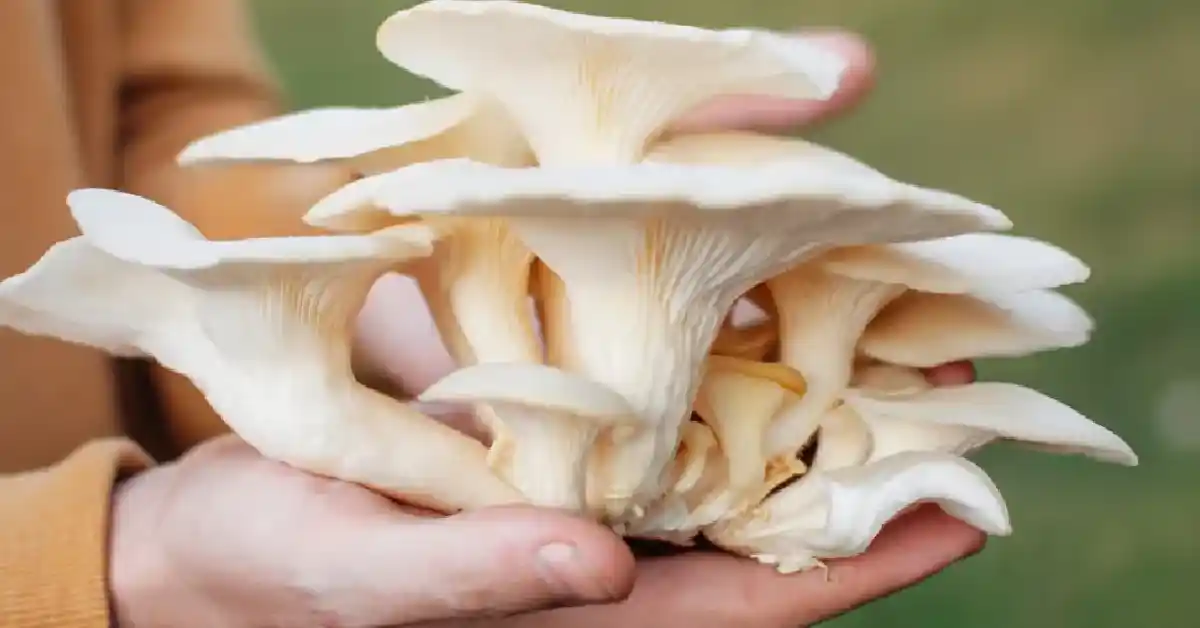
Cap (Top Surface)
- Fan-shaped or oyster-like appearance
- Smooth surface
-
Colors range from:
- White
- Gray
- Light brown
Color can vary depending on environment (UK climates often produce gray tones, while warmer regions like Australia may show lighter shades).
Underside (Gills)
The most important feature is the presence of:
- Decurrent gills
- Gills extend down the stem rather than stopping at the cap
This is a key feature often highlighted in oyster mushroom identification pictures.
Stem
- Very short or sometimes absent
- Off-center (not directly in the middle)
- Often blends into the cap
Spore Print
- Confirm with a Spore print
- Typically white to pale lilac
Growth Pattern
- Grows in overlapping clusters
- Appears in layered shelves on wood
Quick Identification Chart
| Feature | Oyster Mushroom |
|---|---|
| Cap | Fan-shaped, smooth |
| Gills | Decurrent (run down stem) |
| Stem | Short or absent |
| Growth | Clustered on wood |
| Spore Color | White |
Step-by-Step Oyster Mushroom Identification Guide (Chart, Pictures, and App Method)
To identify oyster mushrooms accurately, follow a structured approach used in field guides and oyster mushroom identification apps.
Step 1: Check Growth Location
- Growing on dead wood or logs
- Not growing directly from soil
This is a key filter when using an oyster mushroom identification chart.
Step 2: Observe Cluster Formation
- Multiple mushrooms growing together
- Overlapping shelf-like pattern
Step 3: Examine Cap Shape
- Fan-shaped or shell-like
- Smooth surface
Compare with oyster mushroom identification pictures for confirmation.
Step 4: Inspect the Gills
- Look for Decurrent gills
- Gills should extend downward along the stem
Step 5: Check the Stem
- Short or off-center
- May be barely visible
Step 6: Take a Spore Print
- Use a Spore print
- Confirm white spore color
Step 7: Use an Identification App
- Upload clear photos to an oyster mushroom identification app
- Use results as guidance only
Step 8: Cross-Check with Chart
-
Compare features with:
- Oyster mushroom identification chart
- Online guides
Oyster Mushroom Lookalikes and How to Identify the Difference
One of the most important parts of oyster mushroom identification is understanding lookalikes.
Common Lookalikes
- Omphalotus illudens
- Lentinellus cochleatus
Comparison Chart
| Feature | Oyster Mushroom | Jack O Lantern |
|---|---|---|
| Color | White/gray | Bright orange |
| Gills | Decurrent | Not strongly decurrent |
| Habitat | Dead wood | Wood or buried roots |
| Growth | Clustered | Clustered |
Key Differences
Jack o’lantern mushroom
- Bright orange color
- Grows in clusters
- Lacks true oyster structure
Aniseed funnel
- Strong smell
- Different gill structure
Key Insight
Many people rely only on oyster mushroom identification pictures, but lookalikes can appear similar in photos. Structural differences are more reliable.
Habitat and Where Oyster Mushrooms Grow (UK, Australia, and Tree Types)
Habitat is one of the strongest indicators when identifying oyster mushrooms.
Common Locations
- Dead hardwood trees
- Logs and stumps
- Fallen branches
Common Trees
- Oak
- Beech
- Maple
Regional Growth
UK
- Common in damp forests
- Appears in autumn and winter
Australia
- Found in cooler regions
- Often grows after rainfall
Habitat Identification Chart
| Habitat | Oyster Mushroom Likelihood |
|---|---|
| Dead wood | High |
| Living tree | Moderate |
| Soil/grass | Very low |
Key Insight
If a mushroom is not growing on wood, it is unlikely to be an oyster mushroom.
Key Takeaway
Oyster mushroom identification becomes reliable when you combine:
- Clustered growth on wood
- Fan-shaped caps
- Decurrent gills
- White spore print
Using oyster mushroom identification charts, pictures, and apps helps, but the most accurate method is always checking physical features and habitat together.
Sign in to leave a comment and join the discussion.
 Species Guide
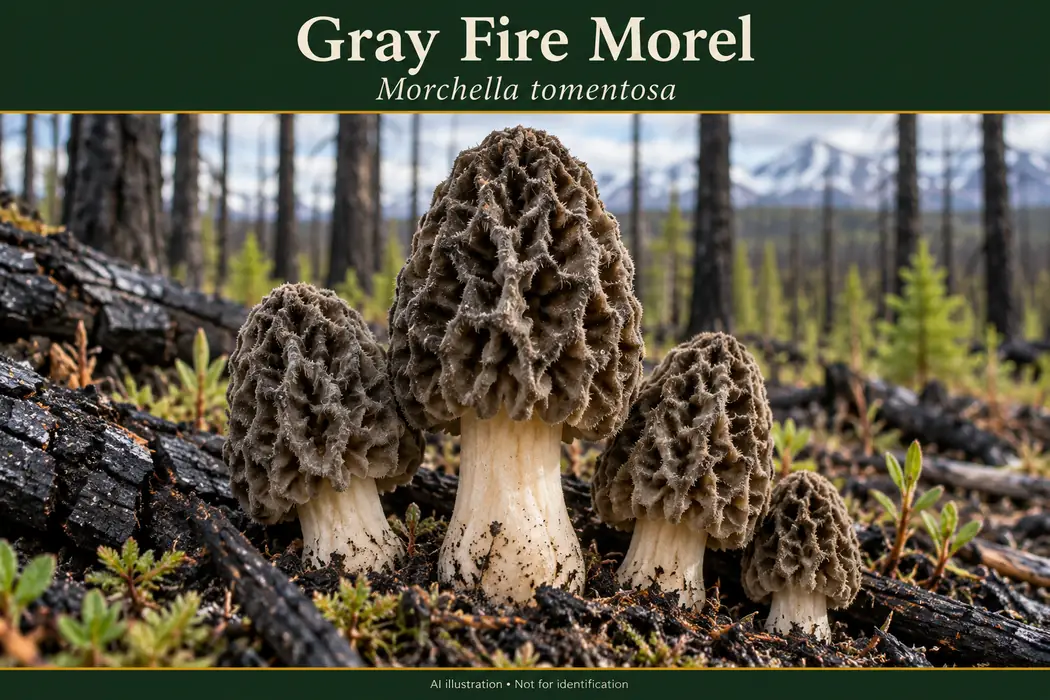
Alaska has many edible mushrooms, including morels, king boletes, golden chanterelles, hedgehogs, oyster mushrooms and bear’s head mushrooms. Most appear...
 Species Guide
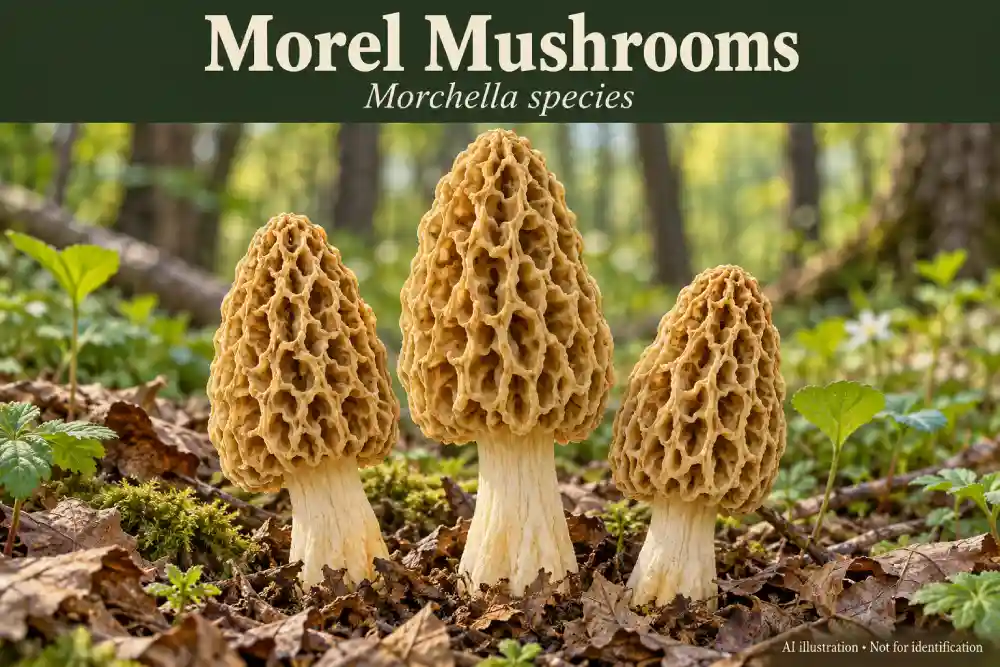
Wisconsin is home to edible mushrooms such as morels, chanterelles, oyster mushrooms, hen of the woods, chicken of the woods and giant puffballs. Different...
 Species Guide
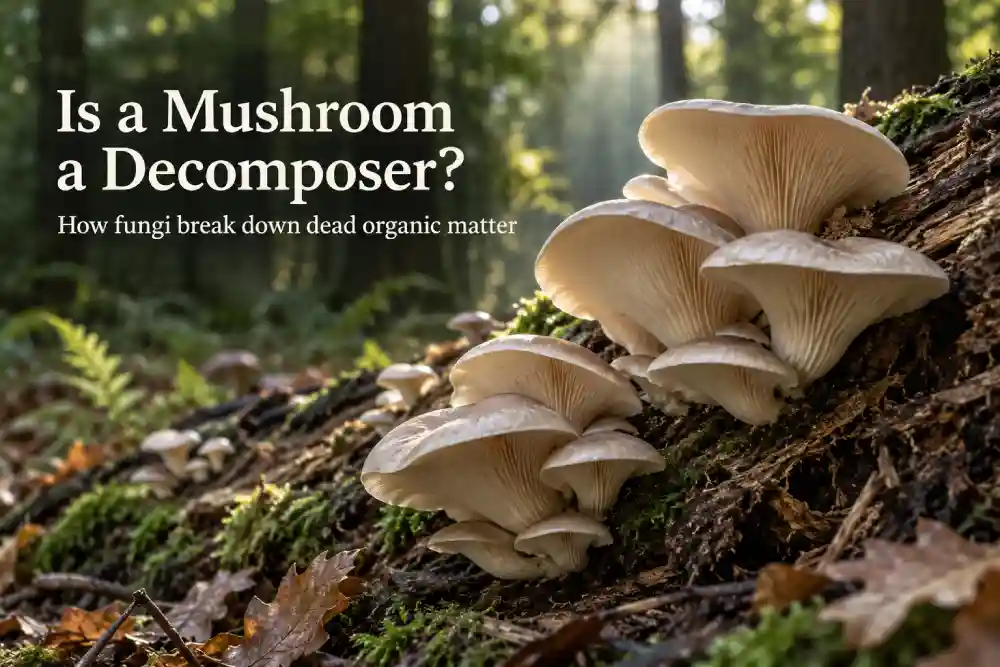
Is a Mushroom a Decomposer? Yes, many mushroom-forming fungi are decomposers. They break down dead wood, fallen leaves and other organic material, helping...