Psilocybe Cubensis Mushroom Identification: Complete Guide to Recognizing This Mushroom Species

Nathan Cole
Mycologist · Author · Fungi Expert
Updated
Jun 4, 2026
Psilocybe cubensis is one of the most widely recognized species within the genus Psilocybe and is commonly discussed in the field of Mycology because of its distinct physical features and psychoactive compounds. Correct identification is extremely important because several visually similar mushrooms can be toxic or even deadly.
This species is typically recognized by its golden to caramel-colored cap, purple-brown spores, pale stem, and blue bruising reaction when damaged. However, mushroom identification should never rely on a single feature alone. Factors such as habitat, gill structure, cap shape, spore print color, bruising patterns, and growth conditions all play important roles in accurate classification.
Because many wild mushrooms share similar colors and shapes, responsible identification requires careful observation, proper research, and multiple confirming characteristics rather than assumptions based on appearance alone.
What Is Psilocybe Cubensis?
Psilocybe cubensis is a dung-loving tropical mushroom species belonging to the Psilocybe genus. It is known for containing Psilocybin, a naturally occurring compound found in certain fungi.
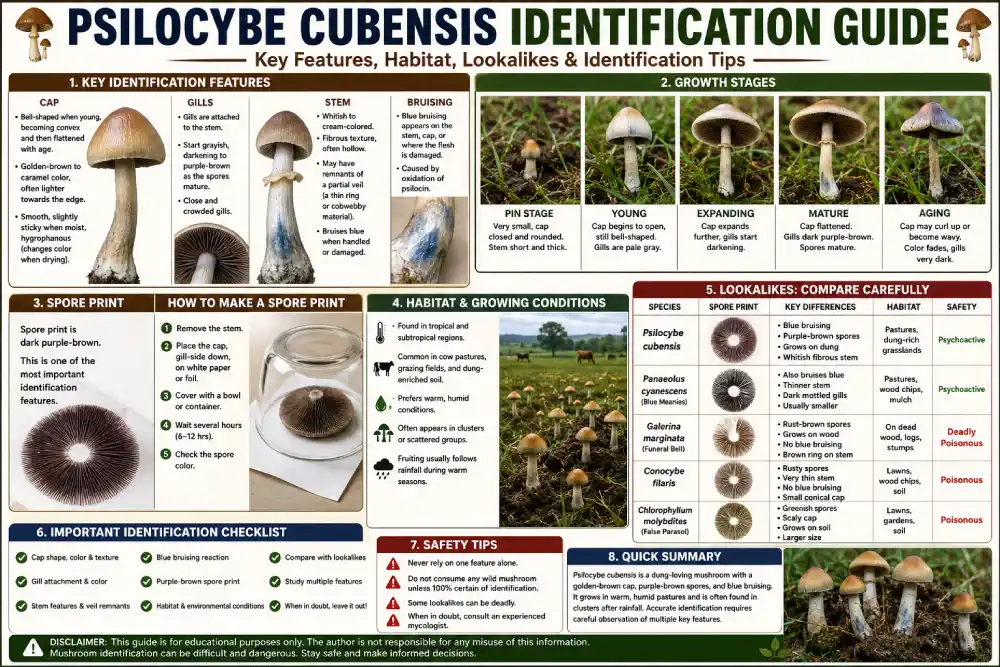
This species commonly grows in humid subtropical and tropical regions where livestock and grazing animals create nutrient-rich pasture environments.
Why Psilocybe Cubensis Is Well Known?
Psilocybe cubensis is one of the most recognized psychoactive fungi because it:
- Appears in many tropical regions worldwide
- Has relatively distinctive bruising reactions
- Is commonly discussed in mycology communities
- Grows in recognizable pasture habitats
The species is often studied for its fungal morphology, spore characteristics, and ecological behavior.
Natural Habitat of Psilocybe Cubensis
This mushroom species usually develops in:
- Cow pastures
- Grazing fields
- Humid grasslands
- Dung-enriched soil
- Warm subtropical climates
Unlike wood-decaying fungi, Psilocybe cubensis primarily thrives in nutrient-rich pasture ecosystems associated with livestock activity.
Seasonal Growth Patterns
Environmental conditions strongly influence mushroom growth.
Psilocybe cubensis commonly appears during:
- Warm rainy seasons
- High humidity periods
- Tropical summer conditions
- Moist pasture cycles
Heavy rainfall followed by humid temperatures often creates ideal fruiting conditions for many pasture fungi.
Key Features of Psilocybe Cubensis
Accurate identification requires understanding the mushroom’s physical structure in detail. In fungal taxonomy, features such as cap texture, gill color, bruising reaction, and spore print color are all considered essential diagnostic clues.
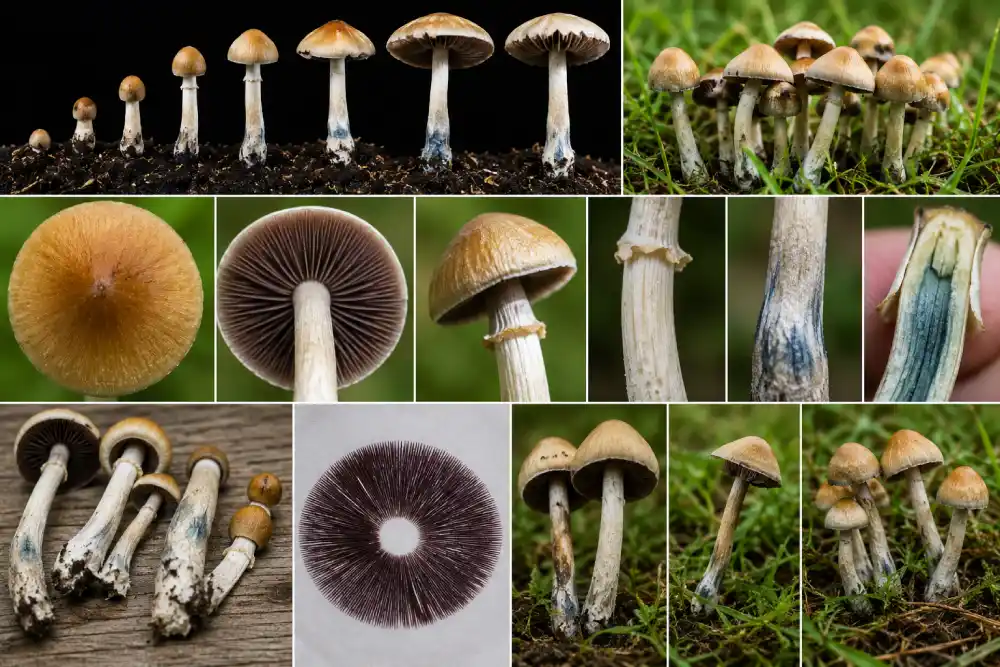
Cap Shape and Color
The cap changes appearance significantly throughout its growth cycle.
Young Stage
Young mushrooms often display:
- Rounded or bell-shaped caps
- Smooth moist surfaces
- Golden-brown coloration
- Slightly curved margins
Mature Stage
As the mushroom matures:
- The cap expands outward
- Color becomes lighter or faded
- The surface may appear dry
- Margins flatten with age
The cap is often hygrophanous, meaning its color changes depending on moisture levels.
Gill Characteristics
The gills are closely spaced beneath the cap and darken as spores mature.
Typical gill features include:
- Grayish coloration when young
- Purple-brown tones with maturity
- Attached gill structure
- Dense spacing
Because spores develop on the gill surface, mature specimens often appear darker underneath the cap.
Stem Features
The stem usually appears:
- Pale white to cream-colored
- Fibrous in texture
- Hollow or partially hollow
- Slightly thicker near the base
Some specimens retain veil remnants near the upper stem area depending on maturity.
The Blue Bruising Reaction Explained
One of the most discussed features of Psilocybe cubensis is its blue bruising reaction. When the mushroom tissue becomes damaged, compressed, or cut, portions of the surface may gradually turn bluish.
This bruising occurs because certain fungal compounds oxidize after cellular damage.
Why Mushrooms Bruise Blue?
Blue bruising is associated with chemical reactions involving psychoactive compounds and oxidation processes inside fungal tissue.
Bruising commonly appears:
- Along the stem
- Near damaged cap edges
- Around cut surfaces
- At pressure points
However, bruising intensity varies significantly between specimens.
Important Identification Warning
Although blue bruising is commonly associated with certain psychoactive fungi, bruising alone cannot confirm species identity.
Several unrelated mushrooms may:
- Stain blue naturally
- Bruise dark after damage
- Develop discoloration from moisture or decay
This is why professional mushroom identification requires multiple confirming characteristics instead of relying only on bruising color.
Factors That Affect Bruising
Bruising visibility depends on:
- Mushroom age
- Moisture content
- Environmental conditions
- Handling pressure
- Freshness of the specimen
Older or dried mushrooms may show weaker bruising reactions than fresh specimens.
Psilocybe Cubensis Identification by Cap, Gills, and Stem
Mushroom identification becomes more reliable when multiple physical features are examined together. Mycologists carefully compare the cap, gills, stem, spores, and habitat before classifying any wild mushroom.
Cap Identification Clues
The cap typically:
- Appears golden-brown or caramel colored
- Feels smooth when moist
- Changes shade as it dries
- Expands from convex to flatter shapes
Moisture strongly influences cap appearance because the surface is hygrophanous.
Gill Identification Clues
As spores mature, the gills transition from pale gray to deep purple-brown.
Key gill observations include:
- Close spacing
- Darkening with age
- Attached growth beneath the cap
- Spore-producing surfaces
The darkening process occurs because mature spores accumulate across the gill tissue.
Stem Identification Clues
The stem often provides important supporting details.
Common stem characteristics:
- Whitish coloration
- Fibrous texture
- Hollow inner structure
- Blue bruising after handling
- Thin veil remnants in younger specimens
Stem appearance may vary depending on environmental conditions and maturity.
Why Multiple Features Matter?
Many mushrooms can resemble Psilocybe cubensis from a distance. Accurate identification requires observing:
- Cap structure
- Gill coloration
- Bruising reactions
- Spore print color
- Habitat conditions
- Overall fungal morphology
Relying on a single characteristic greatly increases the risk of dangerous misidentification.
Psilocybe Cubensis Habitat and Growing Conditions
Habitat is one of the most important clues when identifying wild fungi. Psilocybe cubensis has strong environmental preferences that help distinguish it from unrelated mushrooms.
Preferred Climate
This species favors:
- Warm temperatures
- High humidity
- Subtropical regions
- Tropical rainfall cycles
It rarely develops in cold dry environments.
Common Growing Environments
Psilocybe cubensis is strongly associated with:
- Cow pastures
- Grazing fields
- Livestock environments
- Nutrient-rich manure
- Moist grassy areas
The species is considered coprophilous, meaning it thrives in dung-associated ecosystems.
Growth After Rainfall
Mushroom fruiting often increases:
- After heavy rainfall
- During humid mornings
- In moist shaded grass
- Following warm weather cycles
Fresh growth commonly appears in clusters or scattered groups throughout pasture habitats.
Why Habitat Helps Identification?
Habitat alone cannot confirm mushroom identity, but it significantly improves accuracy when combined with physical characteristics.
For example:
- Wood-growing mushrooms are unlikely to be Psilocybe cubensis
- Dry forest mushrooms may belong to completely different genera
- Pasture fungi often require closer comparison due to similar environments
Careful habitat observation remains an important part of safe fungal identification.
Psilocybe Cubensis Lookalikes and Misidentification Risks
One of the biggest challenges in identifying Psilocybe cubensis is the large number of visually similar mushrooms that grow in grasslands, manure-rich soil, and humid environments. Many small brown mushrooms share overlapping colors, cap shapes, and growth patterns, making careful identification extremely important.
In Mycology, these confusing species are sometimes informally called “LBMs” or little brown mushrooms because many appear nearly identical at first glance.
Why Misidentification Is Dangerous?
Some mushrooms that resemble Psilocybe cubensis may contain dangerous toxins capable of causing severe illness, liver damage, or death.
Identification mistakes often happen because:
- Young mushrooms change appearance quickly
- Rain alters cap color and texture
- Different species share similar habitats
- Beginners rely only on bruising color
- Small mushrooms are difficult to compare accurately
This is why experts always recommend studying multiple characteristics instead of depending on a single feature.
Common Lookalike Species
Panaeolus cyanescens
This species also bruises blue and grows in pasture environments.
Key Differences
- Thinner stem structure
- Different cap texture
- Dark mottled gills
- Usually smaller overall size
Galerina marginata
Galerina species are among the most dangerous mushroom lookalikes.
Important Warning Signs
- Rusty brown spores
- Wood-growing habitat
- Brown cap coloration
- Deadly toxic compounds
Unlike Psilocybe cubensis, Galerina mushrooms usually grow on wood rather than dung-rich grasslands.
Conocybe filaris
This toxic species can appear in grassy environments and may resemble immature pasture mushrooms.
Why Habitat Alone Is Not Enough?
Even though habitat helps narrow possibilities, it cannot confirm identity.
For example:
- Multiple species grow in cow pastures
- Toxic mushrooms can appear near livestock
- Environmental conditions alter appearance
- Different fungi may fruit side by side
Correct identification always requires examining spores, cap texture, gills, stem structure, bruising, and overall morphology together.
Spore Prints and Their Role in Identification
A spore print is one of the most important tools used in mushroom identification. Because spores differ in color between species, collecting a spore print helps distinguish visually similar fungi more accurately.
Spore Print analysis is widely used in mycology because spore color often remains more reliable than cap appearance alone.
What Color Is the Spore Print?
Psilocybe cubensis typically produces a dark purple-brown spore print.
This feature helps separate it from:
- Rust-brown spored mushrooms
- Black-spored pasture fungi
- White-spored woodland mushrooms
Spore print color is considered one of the strongest diagnostic features in fungal identification.
How to Make a Spore Print?
The process usually involves:
- Removing the mushroom stem
- Placing the cap on paper or foil
- Covering it with a bowl or container
- Waiting several hours for spores to fall
The resulting spore pattern reveals the mushroom’s spore color.
Why Spore Prints Matter?
Spore prints help identify:
- Mushroom families
- Similar-looking species
- Toxic lookalikes
- Gill-spore relationships
Because many mushrooms change color with age or moisture, spore analysis provides a more stable identifying feature.
Growth Stages of Psilocybe Cubensis
Like many fungi, Psilocybe cubensis changes dramatically throughout its life cycle. Young mushrooms may look very different from mature specimens, which often causes confusion during identification.
Understanding each growth stage helps improve accuracy when comparing wild fungi.
Pin Stage
The earliest visible form is called a pin.
At this stage:
- Mushrooms appear very small
- Caps remain tightly closed
- Stems are short and thick
- Color is often darker due to moisture
Young pins may lack many mature identifying features.
Expanding Stage
As the mushroom develops:
- The cap enlarges rapidly
- Gills begin darkening
- The stem elongates
- Veil tissue stretches beneath the cap
Humidity strongly affects surface texture during this phase.
Mature Stage
Fully mature mushrooms often display:
- Flattened caps
- Purple-brown spores
- Visible bruising areas
- Expanded gills
- Lighter cap coloration
Spore release becomes more active during maturity.
Aging and Decomposition
Older mushrooms may:
- Become fragile
- Darken excessively
- Collapse inward
- Lose bruising clarity
- Develop bacterial decay
Aging specimens are often harder to identify accurately because original features deteriorate over time.
Environmental Factors That Affect Identification
Environmental conditions can significantly alter the appearance of mushrooms. Moisture, sunlight, humidity, and temperature all influence fungal morphology.
Because of this, the same species may look different depending on where and when it grows.
Moisture and Humidity
Moisture affects:
- Cap color
- Surface texture
- Stem firmness
- Bruising visibility
Fresh humid specimens often appear darker and smoother than dry specimens.
Sunlight Exposure
Direct sunlight may:
- Fade cap coloration
- Dry mushroom tissue
- Crack the cap surface
- Reduce bruising intensity
Mushrooms growing in shaded grass often retain richer coloration.
Rainfall Patterns
Rainfall strongly influences mushroom fruiting.
Heavy rains can:
- Trigger rapid mushroom growth
- Increase pasture humidity
- Improve spore germination
- Cause clustered fruiting patterns
Many tropical fungi emerge shortly after warm seasonal storms.
Temperature Effects
Psilocybe cubensis generally prefers:
- Warm temperatures
- Humid airflow
- Tropical climates
- Moist soil conditions
Cold temperatures often slow or prevent fruiting entirely.
Safe Mushroom Identification Practices
Responsible mushroom identification requires patience, research, and caution. Even experienced foragers avoid making conclusions from incomplete observations.
Because some toxic mushrooms resemble harmless species, careful examination is essential.
Never Use One Feature Alone
A single identifying feature is never enough.
Safe identification involves examining:
- Cap structure
- Gill coloration
- Stem texture
- Bruising reactions
- Spore print color
- Habitat conditions
- Overall fungal morphology
Combining multiple traits greatly improves accuracy.
Study Reliable Identification Sources
Helpful resources include:
- Field guides
- Mycology textbooks
- Spore print references
- Scientific mushroom databases
- Local mycology communities
Comparing several trusted sources helps reduce mistakes.
Observe Before Handling
When studying wild fungi:
- Photograph specimens in place
- Note nearby trees and grass
- Examine moisture conditions
- Observe clustered or isolated growth
Environmental context often provides important clues.
Understand the Risks of Misidentification
Many toxic mushrooms appear harmless at first glance.
Some dangerous species may:
- Resemble edible mushrooms
- Share similar colors
- Grow in the same habitats
- Change appearance with age
Because of these risks, experts strongly recommend avoiding consumption of unidentified wild mushrooms.
Frequently Asked Questions
How Do You Identify Psilocybe Cubensis?
Psilocybe cubensis is commonly identified by a combination of features including:
- Golden to caramel-colored cap
- Purple-brown spore print
- Pale fibrous stem
- Blue bruising reaction
- Darkening gills with maturity
- Growth in humid pasture environments
Accurate identification requires examining multiple characteristics together rather than relying on one feature alone.
Why Does Psilocybe Cubensis Bruise Blue?
The blue bruising reaction occurs when fungal compounds oxidize after the mushroom tissue becomes damaged or compressed. Bruising commonly appears along the stem, cap edges, or cut areas.
However, bruising intensity varies depending on:
- Moisture levels
- Mushroom age
- Freshness
- Environmental conditions
Blue bruising alone cannot confirm species identity because some unrelated mushrooms may also discolor after handling.
What Color Are Psilocybe Cubensis Spores?
Psilocybe cubensis typically produces a dark purple-brown spore print.
Spore color is one of the most important diagnostic tools in Mycology because it helps separate similar-looking species from one another.
Where Does Psilocybe Cubensis Commonly Grow?
This species is most commonly associated with:
- Cow pastures
- Humid grasslands
- Tropical climates
- Subtropical grazing fields
- Dung-rich environments
Warm temperatures and seasonal rainfall often increase mushroom fruiting activity.
What Mushrooms Look Similar to Psilocybe Cubensis?
Several mushrooms may resemble Psilocybe cubensis, including:
- Panaeolus cyanescens
- Galerina marginata
- Conocybe filaris
Some lookalikes are toxic, which is why careful identification is essential.
Sign in to leave a comment and join the discussion.
 Species Guide
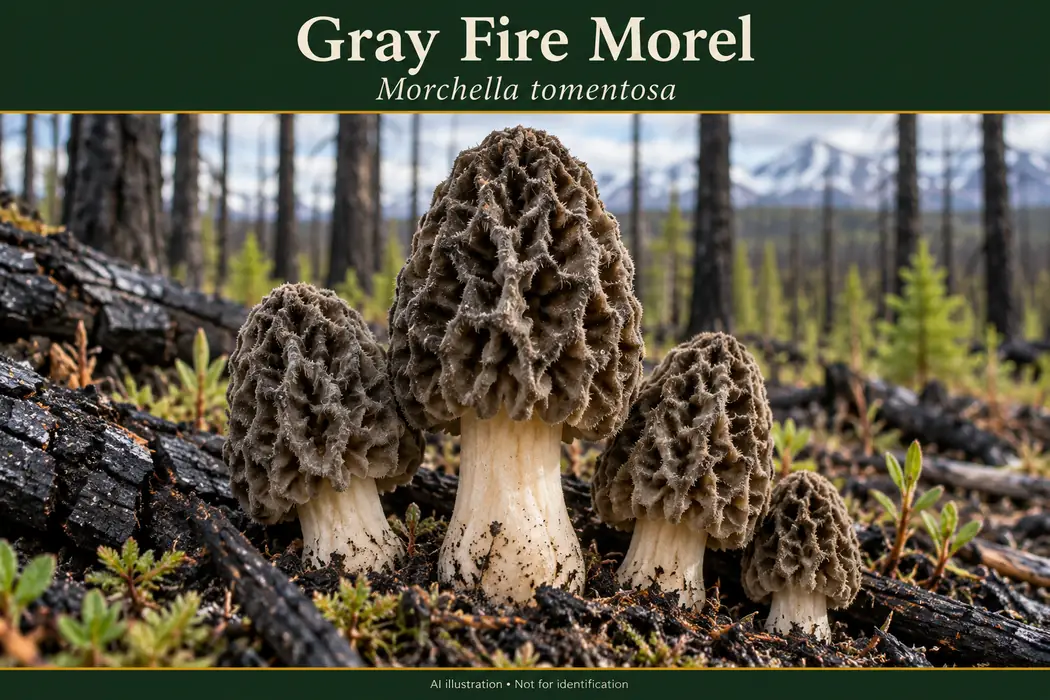
Alaska has many edible mushrooms, including morels, king boletes, golden chanterelles, hedgehogs, oyster mushrooms and bear’s head mushrooms. Most appear...
 Species Guide
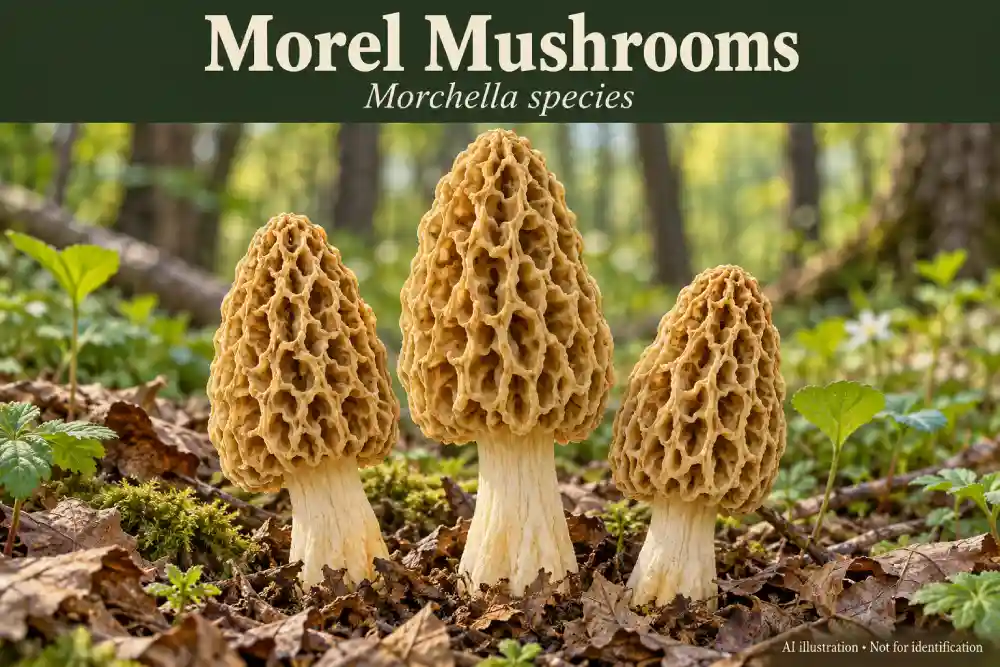
Wisconsin is home to edible mushrooms such as morels, chanterelles, oyster mushrooms, hen of the woods, chicken of the woods and giant puffballs. Different...
 Species Guide
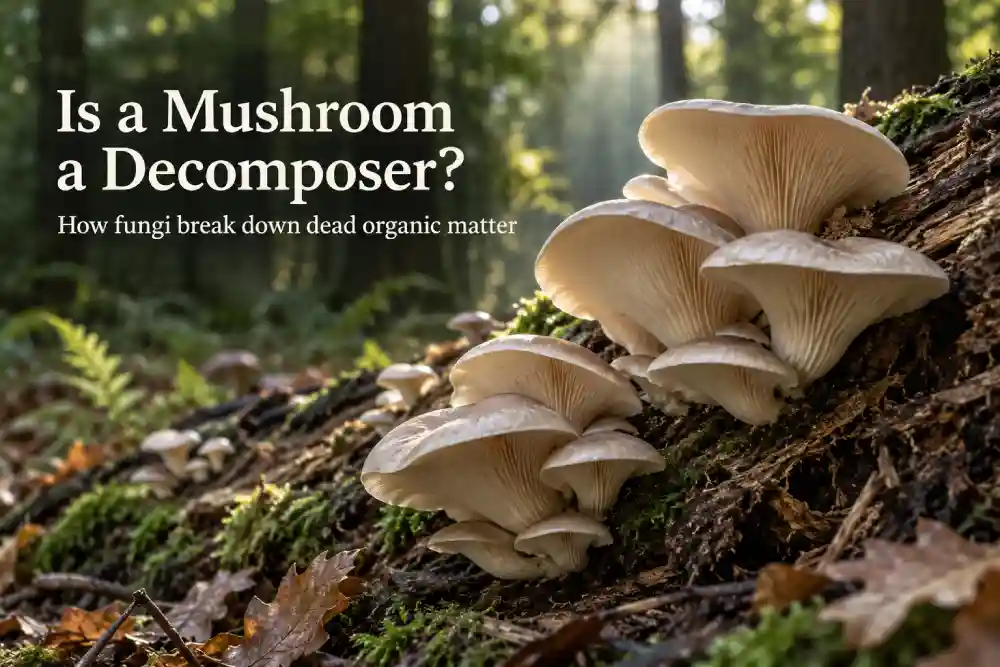
Is a Mushroom a Decomposer? Yes, many mushroom-forming fungi are decomposers. They break down dead wood, fallen leaves and other organic material, helping...