Is Mower's Mushroom Poisonous?

Nathan Cole
Mycologist · Author · Fungi Expert
Updated
May 29, 2026
Yes, Mower's Mushroom (Panaeolina foenisecii) is generally considered mildly poisonous or potentially toxic if consumed. While it is not among the deadly mushrooms responsible for severe organ failure, eating Mower's Mushrooms can cause gastrointestinal symptoms such as nausea, vomiting, diarrhea, and stomach discomfort.
Because these small brown lawn mushrooms closely resemble several toxic and psychoactive species, experts recommend treating them as inedible and avoiding consumption. Accurate identification is especially important for households with children and pets, as these mushrooms frequently appear in lawns, parks, and grassy areas after rainfall.
As one of the most common lawn fungi in North America, Mower's Mushroom often raises concerns among homeowners who suddenly notice clusters of brown mushrooms appearing in freshly cut grass.
Understanding how to identify this species, recognize potential lookalikes, and manage lawn growth safely can help prevent accidental exposure.
What Is Mower's Mushroom?
Panaeolina foenisecii is a small brown mushroom commonly found growing in lawns, parks, sports fields, and grassy landscapes. It is sometimes called the Haymaker Mushroom because it frequently appears in hay fields and nutrient-rich grass environments.
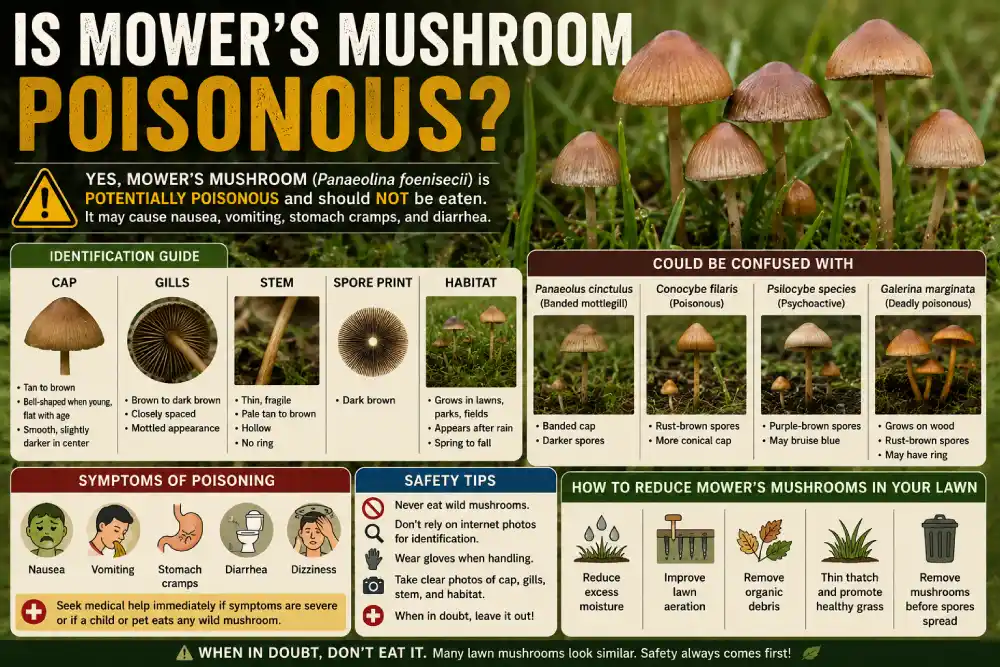
Unlike many woodland fungi, Mower's Mushrooms do not grow directly on wood. Instead, they feed on decomposing organic matter hidden beneath the soil surface.
Why Is It Called Mower's Mushroom?
The name comes from its tendency to appear in regularly maintained lawns.
Homeowners often notice these mushrooms:
- After mowing grass
- Following rainfall
- During humid weather
- In fertilized lawns
- In parks and golf courses
Because they emerge quickly and often disappear within days, they can seem to appear overnight.
Scientific Classification
Mower's Mushroom belongs to a group of fungi commonly studied in Mycology.
Classification Overview
| Category | Classification |
|---|---|
| Kingdom | Fungi |
| Genus | Panaeolina |
| Species | Panaeolina foenisecii |
| Common Name | Mower's Mushroom |
| Habitat | Lawns and grassy areas |
Where Mower's Mushrooms Grow?
This species is commonly found in:
- Residential lawns
- School grounds
- Public parks
- Athletic fields
- Pastures
- Roadside grass
Moist soil and decaying grass roots provide ideal growing conditions.
Is Mower's Mushroom Poisonous?
This is the question most homeowners ask after spotting these mushrooms in their yard.
The short answer is yes—Mower's Mushroom should be considered unsafe to eat.
Although it is not known for causing the severe liver damage associated with deadly species like Galerina marginata, ingestion may still result in unpleasant symptoms.
Mower's Mushroom Toxicity Overview
Mower's Mushroom is generally classified as:
- Inedible
- Potentially toxic
- Unsafe for consumption
- Not recommended for foraging
Scientific reports suggest that toxicity may vary depending on environmental factors and individual sensitivity.
Can Mower's Mushroom Make You Sick?
Yes, consuming Mower's Mushrooms may cause:
Common Symptoms
- Nausea
- Vomiting
- Diarrhea
- Stomach cramps
- Digestive discomfort
Symptoms are usually associated with gastrointestinal irritation rather than life-threatening toxicity.
Why Experts Recommend Avoiding It?
Even though severe poisoning is uncommon, Mower's Mushroom presents an additional problem—it can easily be confused with more dangerous species.
Because accurate identification can be difficult, mushroom experts generally advise against consuming any small brown lawn mushrooms.
How to Identify Mower's Mushroom?
Correct identification requires observing several characteristics together. Many lawn mushrooms share similar colors and shapes, making single-feature identification unreliable.
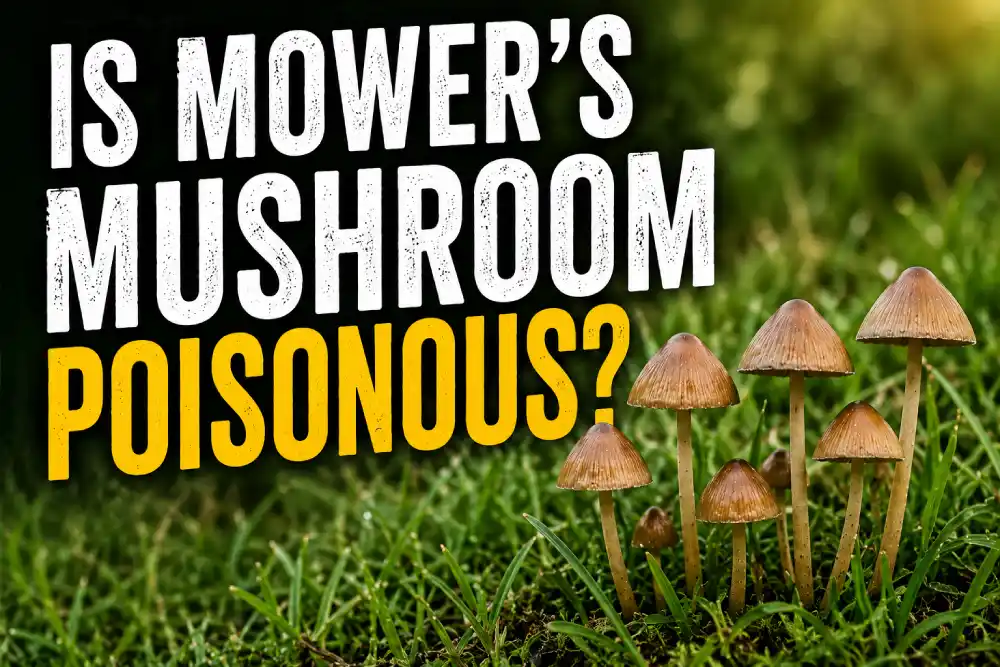
In mushroom identification, examining the cap, gills, stem, habitat, and spore print provides the most accurate results.
Cap Identification
The cap is one of the first features people notice.
Typical cap characteristics include:
- Light brown to tan coloration
- Bell-shaped when young
- Flattened appearance with maturity
- Smooth surface
- Slightly darker center
The cap often changes color depending on moisture levels.
Gill Characteristics
The gills underneath the cap are important diagnostic features.
Common gill traits:
- Closely spaced
- Brownish coloration
- Mottled appearance
- Darkening as spores mature
Gill color can vary depending on age and environmental conditions.
Stem Features
The stem is usually:
- Thin and fragile
- Pale brown to tan
- Hollow inside
- Lacking a prominent ring
The stem often bends easily due to its delicate structure.
Spore Print Color
Spore Print analysis can help distinguish Mower's Mushroom from similar species.
Typical spore print:
- Dark brown
- Brownish-black
- Mottled appearance
Spore print testing is often necessary when identifying small brown mushrooms accurately.
Mower's Mushroom Identification Chart
Because many lawn mushrooms look similar, an identification chart can help compare key characteristics quickly.
| Feature | Mower's Mushroom |
|---|---|
| Scientific Name | Panaeolina foenisecii |
| Cap Color | Light brown to tan |
| Cap Shape | Bell-shaped to flat |
| Gill Color | Brown to dark brown |
| Stem Color | Pale tan |
| Stem Ring | Usually absent |
| Spore Print | Dark brown |
| Habitat | Lawns and grassy areas |
| Toxicity | Potentially poisonous |
| Edibility | Not recommended |
Key Identification Clues
Look for:
- Small brown cap
- Thin fragile stem
- Growth directly in grass
- Absence of a stem ring
- Dark brown spores
However, these characteristics should always be evaluated together rather than individually.
Check also Mushroom identification Quiz
Where Do Mower's Mushrooms Grow?
One reason Mower's Mushroom is so frequently encountered is its adaptability to urban and suburban environments.
Unlike many forest fungi, it thrives in maintained grassy landscapes.
Lawns and Residential Yards
The most common habitat includes:
- Front lawns
- Backyards
- Community green spaces
- Apartment complexes
These mushrooms often emerge after periods of rain followed by warm temperatures.
Parks and Sports Fields
Public grassy areas provide ideal growing conditions because of:
- Irrigation systems
- Rich organic matter
- Frequent mowing
- Moist soil
This explains why they are commonly found in recreational spaces.
Seasonal Appearance
Mower's Mushrooms are most common during:
- Spring
- Summer
- Early fall
Rainfall and humidity strongly influence fruiting activity.
Why They Grow in Grass?
These mushrooms feed on decomposing organic material beneath the soil surface.
Factors encouraging growth include:
- Excess moisture
- Thick thatch layers
- Decaying roots
- Nutrient-rich soil
Their appearance is often a sign of healthy organic decomposition within the lawn ecosystem.
Mower's Mushroom Lookalikes
One of the biggest challenges when identifying Panaeolina foenisecii is that it belongs to a large group of small brown mushrooms that often appear nearly identical to the untrained eye. In mycology, these are sometimes informally called "LBMs" (Little Brown Mushrooms) because many species share similar colors, sizes, and growth habits.
This similarity is one reason experts recommend never eating a mushroom based solely on appearance.
Panaeolus cinctulus
One of the most commonly confused species is the banded mottlegill.
Similarities
- Brown cap
- Lawn habitat
- Thin stem
- Dark gills
Differences
- Darker spore print
- Distinct cap banding
- Different gill appearance
- Often grows in richer organic material
Careful spore analysis is often needed to separate these species accurately.
Conocybe filaris
This lawn mushroom is significantly more dangerous than Mower's Mushroom.
Identification Clues
- Rust-brown spores
- More conical cap
- Delicate stem
- Lawn habitat
Why It Matters?
Conocybe species may contain dangerous toxins capable of causing severe poisoning.
Psilocybe cubensis and Similar Species
Many people mistakenly believe any small brown mushroom may be psychoactive.
However, Mower's Mushroom lacks the key identification traits commonly associated with Psilocybe species, including:
- Purple-brown spores
- Blue bruising
- Different habitat preferences
- Distinct cap characteristics
Misidentification is common because inexperienced observers focus only on color.
Why Lookalikes Create Problems?
Several mushrooms may:
- Grow in the same lawn
- Appear after the same rainfall
- Share similar cap colors
- Develop at similar sizes
This is why professional identification always relies on multiple characteristics instead of one visual feature.
Mower's Mushroom vs Poisonous Lawn Mushrooms
Many homeowners assume all lawn mushrooms are harmless because they grow in residential areas. Unfortunately, some toxic mushrooms thrive in exactly the same environments.
Understanding the differences can improve lawn safety and identification accuracy.
Feature | Mower's Mushroom | Conocybe Species | Galerina Species |
|---|---|---|---|
Typical Habitat | Grass lawns | Lawns and mulch | Decaying wood |
Cap Color | Tan to brown | Brown to orange-brown | Brown |
Spore Print | Dark brown | Rust-brown | Rust-brown |
Stem Ring | Usually absent | Usually absent | May be present |
Toxicity | Potentially poisonous | Poisonous | Deadly poisonous |
Warning Signs to Watch For
Potentially dangerous lawn mushrooms may have:
- Rust-colored spores
- Distinct stem rings
- Unusual odors
- Bright discoloration
- Wood-growing habits
Because these features vary, proper identification remains essential.
Why Lawn Mushrooms Should Not Be Eaten?
Even experienced foragers rarely consume unidentified lawn mushrooms because:
- Multiple species look similar
- Toxic species grow in lawns
- Environmental conditions alter appearance
- Misidentification risks are high
The safest approach is to treat unknown lawn mushrooms as inedible.
Symptoms of Mushroom Poisoning
If a toxic mushroom is consumed, symptoms can range from mild stomach upset to severe medical emergencies depending on the species involved.
Because symptoms vary widely, medical attention should always be sought when an unknown mushroom has been eaten.
Mild Symptoms
Milder reactions may include:
- Nausea
- Vomiting
- Diarrhea
- Stomach cramps
- Digestive discomfort
These symptoms often appear within a few hours after ingestion.
Moderate Reactions
Some people may experience:
- Dizziness
- Sweating
- Weakness
- Dehydration
- Headaches
Severity often depends on the amount consumed and the mushroom species involved.
Severe Poisoning Symptoms
Dangerous mushrooms can cause:
- Liver damage
- Kidney failure
- Confusion
- Seizures
- Organ failure
Species such as Galerina marginata are especially dangerous because symptoms may be delayed while internal damage progresses.
When to Seek Medical Help?
Immediate medical attention is recommended if:
- An unknown mushroom was consumed
- Symptoms become severe
- A child ingests a wild mushroom
- A pet eats lawn mushrooms
Saving a mushroom sample or photographs can assist medical professionals with identification.
Are Mower's Mushrooms Dangerous to Dogs and Pets?
Pet owners often discover Mower's Mushrooms while walking dogs or maintaining their lawn. Because pets frequently investigate objects with their mouths, accidental ingestion is a common concern.
Risks for Dogs
Dogs may be more vulnerable because they:
- Eat grass frequently
- Explore with their mouths
- Consume mushrooms out of curiosity
Symptoms may include:
- Vomiting
- Diarrhea
- Excessive drooling
- Lethargy
- Loss of appetite
Risks for Cats
Cats are generally less likely to consume mushrooms, but accidental ingestion can still occur.
Potential signs include:
- Digestive upset
- Weakness
- Behavioral changes
- Reduced appetite
What Pet Owners Should Do?
If a pet consumes a wild mushroom:
- Remove any remaining mushroom material.
- Take photographs of the mushroom.
- Contact a veterinarian immediately.
- Monitor symptoms closely.
Prompt veterinary care is always the safest option when mushroom ingestion is suspected.
How to Remove Mower's Mushrooms From Your Lawn?
Although Mower's Mushrooms are generally temporary, many homeowners prefer removing them for aesthetic reasons or to reduce risks for children and pets.
Because mushrooms are only the visible fruiting bodies of a larger underground fungal network, simply removing the cap rarely eliminates the fungus completely.
Reduce Excess Moisture
Fungi thrive in damp conditions.
Helpful steps include:
- Watering less frequently
- Improving drainage
- Fixing low spots
- Avoiding over-irrigation
Reducing moisture often decreases mushroom growth.
Improve Lawn Aeration
Compacted soil traps moisture and organic matter.
Aeration can:
- Improve drainage
- Increase airflow
- Reduce fungal activity
- Promote healthier grass growth
Remove Organic Debris
Mower's Mushrooms feed on decomposing material.
Removing the following may help:
- Excess thatch
- Dead roots
- Grass clippings
- Organic debris
This reduces available food sources for fungi.
Hand Removal
For immediate removal:
- Wear gloves
- Pick mushrooms before they release spores
- Dispose of them in sealed bags
- Keep children and pets away
Hand removal will not eliminate the underground fungus but may reduce future spore production.
Can Fungicides Eliminate Mower's Mushrooms?
Fungicides are generally not recommended because:
- The underground fungal network is extensive
- Results are often temporary
- Healthy lawn practices are usually more effective
Improving drainage and reducing organic buildup typically provides better long-term control.
Frequently Asked Questions About Mower's Mushroom
Is Mower's Mushroom Poisonous to Humans?
Yes, Panaeolina foenisecii is generally considered potentially poisonous and should not be eaten. While it is not typically associated with the severe toxicity of deadly mushrooms, it may cause gastrointestinal symptoms such as nausea, vomiting, diarrhea, and stomach discomfort.
Because toxicity can vary and misidentification is common, experts recommend treating Mower's Mushroom as inedible.
Can Dogs Eat Mower's Mushrooms?
No. Dogs should never be allowed to eat Mower's Mushrooms or any unidentified lawn mushrooms.
Even if the mushroom itself causes only mild toxicity, accidental confusion with more dangerous species can occur. If a dog eats a wild mushroom, contact a veterinarian immediately.
What Color Is a Mower's Mushroom Spore Print?
The spore print of Panaeolina foenisecii is typically dark brown to brownish-black.
Spore print analysis is one of the most useful identification methods in Mycology because many lawn mushrooms appear similar on the surface.
Why Do Mower's Mushrooms Grow in Lawns?
Mower's Mushrooms grow because lawns contain organic material that fungi can break down.
Common factors that encourage growth include:
- Moist soil
- Frequent rainfall
- Thick thatch layers
- Decaying roots
- Organic matter beneath the grass
Their presence often indicates active decomposition within the soil ecosystem.
How Do I Identify a Mower's Mushroom?
Identification involves examining several features together, including:
- Small tan-to-brown cap
- Thin fragile stem
- Brown mottled gills
- Dark brown spore print
- Growth directly in grass
No single feature should be used alone because many lawn mushrooms resemble one another.
Are Mower's Mushrooms Psychoactive?
No. Panaeolina foenisecii is not generally considered a reliable psychoactive mushroom.
Confusion sometimes occurs because it resembles species such as Panaeolus cyanescens and other small brown mushrooms. Proper identification is necessary because appearance alone can be misleading.
Should I Remove Mower's Mushrooms From My Yard?
Many homeowners choose to remove them if children or pets frequently use the lawn.
Removal may be helpful when:
- Pets are present
- Young children play outdoors
- Mushrooms appear in large numbers
- You want to reduce accidental ingestion risks
Improving drainage and reducing excess organic matter are usually the most effective long-term solutions.
Final Thoughts
Panaeolina foenisecii is one of the most common lawn mushrooms found in residential yards, parks, and grassy landscapes. Although it is not considered one of the world's deadliest mushrooms, it is generally regarded as potentially poisonous and should not be consumed.
The biggest concern surrounding Mower's Mushroom is not only its potential toxicity but also its resemblance to other lawn fungi, including poisonous and psychoactive lookalikes. Accurate identification requires examining multiple characteristics such as cap shape, gill structure, stem features, habitat, and spore print color.
For homeowners, parents, pet owners, and beginner mushroom enthusiasts, the safest approach is simple: avoid eating any unidentified lawn mushroom. Understanding fungal identification, practicing safe lawn management, and learning basic principles of Mycology can help reduce risks while improving appreciation for the fascinating world of fungi.
Sign in to leave a comment and join the discussion.
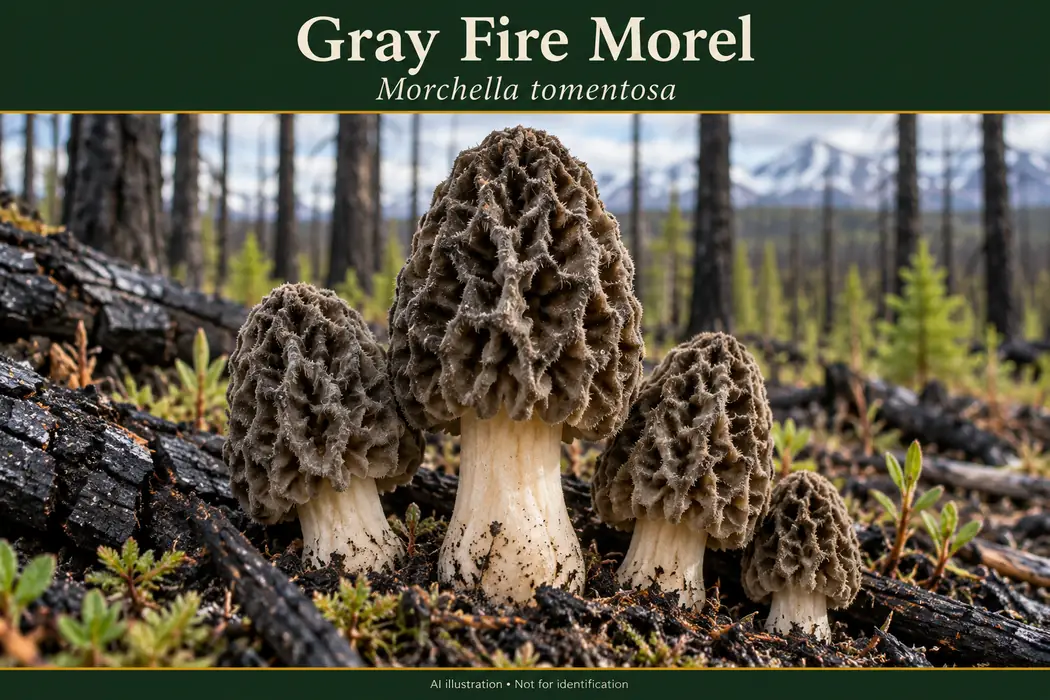 Species Guide
Alaska has many edible mushrooms, including morels, king boletes, golden chanterelles, hedgehogs, oyster mushrooms and bear’s head mushrooms. Most appear...
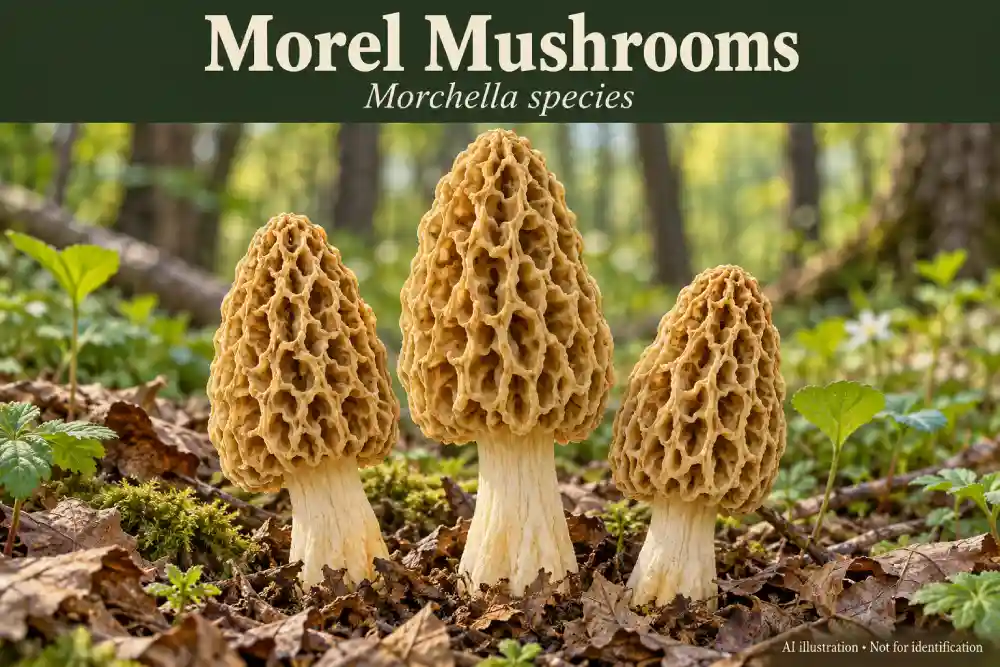 Species Guide
Wisconsin is home to edible mushrooms such as morels, chanterelles, oyster mushrooms, hen of the woods, chicken of the woods and giant puffballs. Different...
 Species Guide
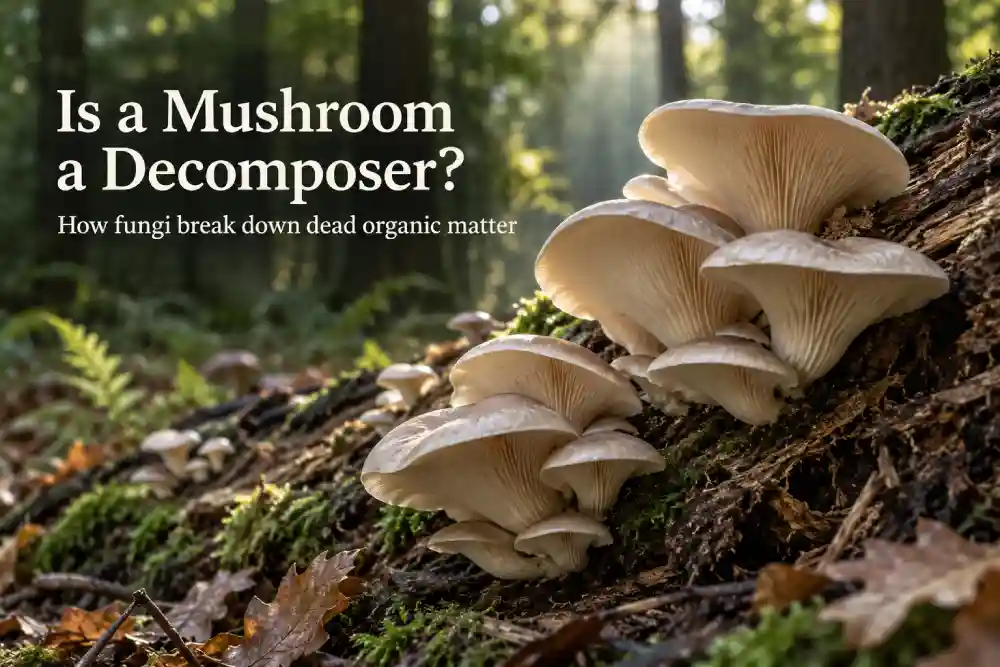
Is a Mushroom a Decomposer? Yes, many mushroom-forming fungi are decomposers. They break down dead wood, fallen leaves and other organic material, helping...