4 Best Pink Oyster Mushroom Grow Kits (November 2026)
— views
The best pink oyster mushroom grow kits include the Back to the Roots Organic Pink Mushroom Grow Kit for a first pink kit, the Back to the Roots Organic Pink Miniature Mushroom Grow Kit for a small lower-cost kit, and the Pink Oyster Grow Kit, 5 lb, Single Pack for a larger block.
The best pink oyster mushroom grow kit for most people is the Back to the Roots Organic Pink Mushroom Grow Kit, which includes a mister and gives mushrooms in about 10 days according to the listing. It has thousands of reviews, so there is plenty of buyer feedback to read first.
Choose by room temperature first. Ohio State University Mycology lists pink oyster fruiting at 75 to 90°F, which is warm for a home. If your room runs cooler, another type may suit you better. Our oyster mushroom grow kit guide compares the oyster types, and our mushroom grow kit comparison covers other species.
How We Chose Pink Oyster Mushroom Grow Kits
We compared current Amazon listings against university extension guidance and did not test these products. Each kit then received a score out of 10, based on three weighted factors.
- Beginner ease, 40%: how forgiving the format is, per extension guidance.
- Review depth, 30%: how many buyers have reviewed the listing.
- Listing clarity, 30%: whether the listing states what you get and what to expect.
A score compares listings. It is not a lab result or a yield guarantee. Product facts come from each listing, so treat them as the seller's claims. Growing facts come from the university and journal sources linked on this page.
| Product | Best for | Type | Our score |
|---|---|---|---|
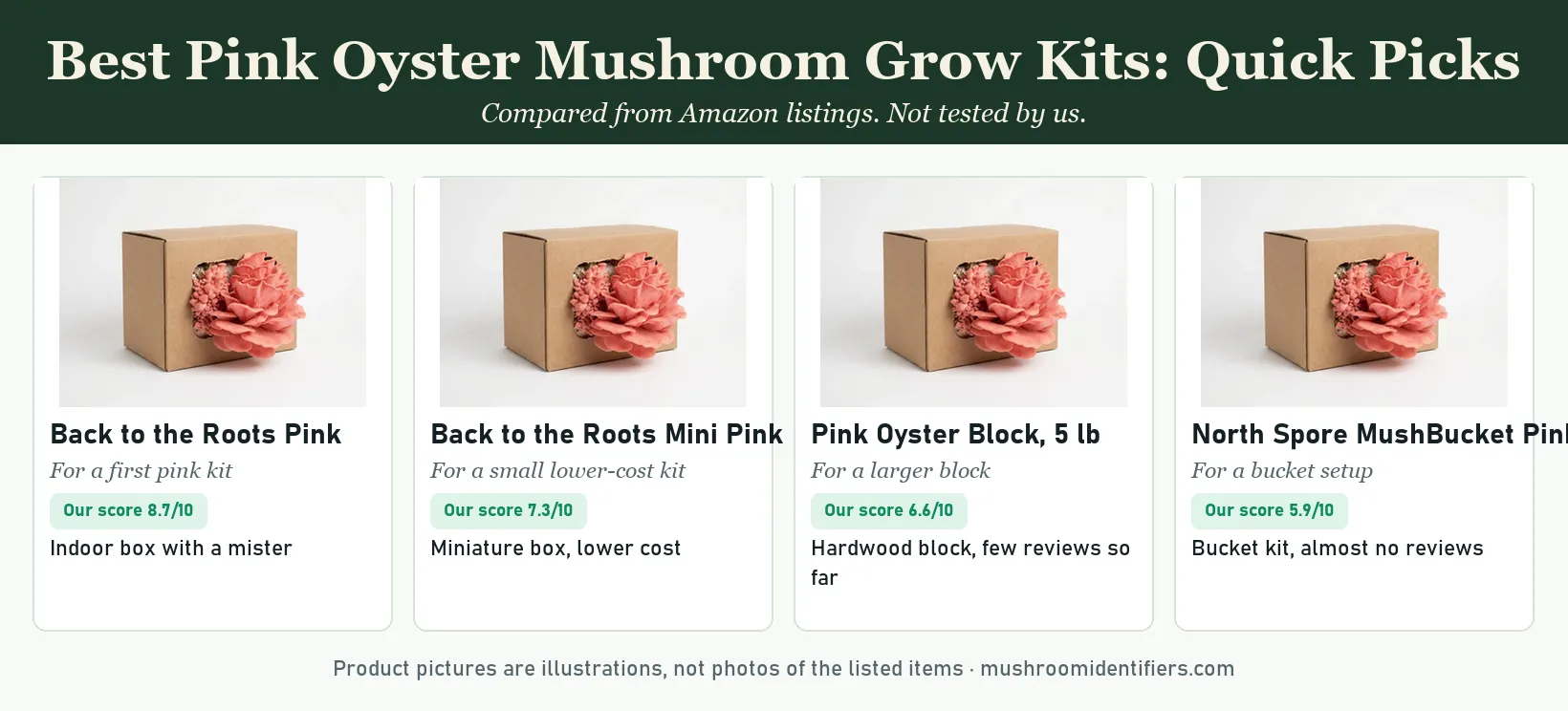
| Back to the Roots Organic Pink Mushroom Grow Kit | A first pink kit | Box kit | 8.7/10 |
| Back to the Roots Organic Pink Miniature Mushroom Grow Kit | A small lower-cost kit | Miniature kit | 7.3/10 |
| Pink Oyster Grow Kit, 5 lb, Single Pack | A larger block | Hardwood block | 6.6/10 |
| North Spore MushBucket Pink Oyster Mushroom Bucket Grow Kit | A bucket setup | Bucket kit | 5.9/10 |
The Best Pink Oyster Mushroom Grow Kits for Different Needs
Each kit below needs the same three things: warmth, moisture and fresh air. They differ in size, format and how much the listing tells you.
Back to the Roots Organic Pink Mushroom Grow Kit: Best for a first pink kit
Our score: 8.7/10
- Organic and non-GMO, according to the listing.
- A mister is included, according to the listing.
- Place it near a window, and expect mushrooms in about 10 days, according to the listing.
- Thousands of reviews.
This kit suits a first-time grower with a warm, bright room. The mister is in the box, so you do not need a separate spray bottle. Your main jobs are keeping it warm and keeping it moist.
Pros
- The mister is included, according to the listing.
- Thousands of buyer reviews are available to read.
- The listed wait of about 10 days is close to the 7 to 10 days Ohio State gives.
Cons
- Ohio State's 7 to 10 days applies at 85 to 90°F, so a cooler room may take longer.
- The listing facts used here give no yield figure.
- The window advice needs care, because UGA Extension keeps oyster kits out of direct sunlight.
Give the kit bright, indirect light. UGA Extension keeps oyster kits in a bright room, out of direct sun. Cornell Small Farms has a rough test: a room is bright enough if a book is comfortable to read there.
Young mushrooms need frequent water. UGA Extension mists them several times a day, using bottled water or water that has stood overnight.
Back to the Roots Organic Pink Miniature Mushroom Grow Kit: Best for a small lower-cost kit
Our score: 7.3/10
- A miniature version of the Back to the Roots pink kit.
- Organic and non-GMO, according to the listing.
- A lower-cost option than the full-size kit.
This kit suits someone who wants to test a room before buying something larger. It also suits a small gift. The listing facts used here say little else, so read the listing for what comes in the box.
Pros
- It is a lower-cost way to learn whether your room is warm enough.
- A miniature kit takes less space than a full-size kit.
Cons
- The listing facts used here give no timing, size or yield figure.
- The listing facts used here do not say whether a mister is included.
- A smaller harvest than the full-size kit is a fair assumption, though no figure is stated.
Treat this kit as a test. Put a room thermometer next to it and note the daytime and nighttime readings. We found no source that says how a pink oyster kit behaves below Ohio State's range, so your own room is the real test.
Pink Oyster Grow Kit, 5 lb, Single Pack: Best for a larger block
Our score: 6.6/10
- A fresh 5 lb hardwood block, according to the listing.
- First harvest in 10 to 14 days, according to the listing.
- Cut an X in the bag to start, according to the listing.
- Few reviews so far.
This block suits a grower who has a warm room and a plan for using the harvest quickly. The 5 lb is the size of the block, not the size of the harvest. Setup is short, but you need your own way to mist it unless the listing says otherwise.
Pros
- It is the largest stated block on this page.
- The listing states both the timing and how to start.
Cons
- Few reviews so far.
- The listing facts used here give no yield figure and do not mention a sprayer.
- A larger harvest is harder to use before it spoils.
Keep fresh air around the block. Cornell says oysters are fussier about carbon dioxide than most species, and it keeps farm rooms below 800 ppm. High carbon dioxide gives long stems and small caps. Do not seal the block in a box or closet.
The listing's 10 to 14 days is slower than Ohio State's 7 to 10 days. The two figures may reflect different conditions, because Ohio State's figure is for 85 to 90°F.
North Spore MushBucket Pink Oyster Mushroom Bucket Grow Kit: Best for a bucket setup
Our score: 5.9/10
- A bucket grow kit, according to the listing.
- For beginners to advanced growers, according to the listing.
- Almost no reviews so far.
This kit suits a grower who wants a project rather than a box on a counter. The listing facts used here do not say what is in the bucket, so read the listing before you buy.
Pros
- The listing says it suits beginners to advanced growers.
- UW-Madison Extension says a bucket can be reused after a grow.
Cons
- Almost no reviews so far.
- The listing facts used here give no timing or yield figure.
- A bucket takes more room than a box or a block.
UW-Madison Extension describes a home bucket method for oysters, which shows what bucket growing involves. It uses a 5-gallon bucket with 30 to 40 side holes, filled with soaked hardwood chips and grain spawn. It waits about 14 days for pins, then mists at least twice a day. That is a general method, not the instructions for this kit.
The method's 65 to 75°F sits below most of Ohio State's range for pink oysters. Follow the instructions that come with your kit.
Why Pink Oysters Need Warmth
Pink oysters (Pleurotus djamor) are a warm-climate mushroom, and most sources put fruiting at about 70 to 90°F. Ohio State says the species suits tropical climates and year-round indoor growing. The figures differ by source and strain.
| Source | Fruiting temperature |
|---|---|
| Ohio State University Mycology | 75 to 90°F |
| Mycobiology review, 2020, var. roseus | 23 to 30°C, about 73 to 86°F |
| Same review, another P. djamor entry | 21 to 35°C, about 70 to 95°F |
| Saudi Journal of Biological Sciences review, 2016 | 24 to 30°C as the optimal range, about 75 to 86°F |
One conflict is worth knowing. The 2016 review also cites a study that kept P. djamor at 18 to 20°C, about 64 to 68°F. Treat 75°F and up as the target, and treat cooler results as possible but less certain.
General Oyster Advice May Not Apply
Most oyster advice is written for cooler species. UGA Extension keeps oyster kits at 60 to 70°F, with a tolerance of 55 to 75°F. Cornell says quality and speed are best in the low 60s°F, and that productivity falls above 75°F. Cornell does not mention pink oysters. Its summer pick is the phoenix oyster, so its numbers do not describe this species.
Follow the card that comes with your kit first. Use these sources to judge whether your room is close.
If Your Home Is Cool
Find the warmest spot that still has indirect light and fresh air. A kitchen may work better than a hallway. Keep the kit away from a heater vent, because moving hot air dries it out. Do not shut it in a closet to hold heat, because stale air causes long stems and small caps.
UGA Extension suggests a reset for an oyster kit with no pins after 4 to 5 weeks. It refrigerates the kit for a day or two without freezing, mists it and restarts. We found no source that tested this reset on pink oysters.
Pink Oysters Do Not Keep
Cook pink oysters soon after harvest, because Ohio State gives them a shelf life of under 3 days. Plan the meal before the mushrooms are ready.
That figure is shorter than oysters in general. Cornell says properly timed oysters last about 7 days at 34 to 37°F, but that page does not cover pink oysters. The Mycobiology review reports 8 to 11 days at 0°C or 1 to 2 days at 20°C for fresh Pleurotus in general. We found no study that measured how long pink oysters keep in a home refrigerator, so plan around Ohio State's figure.
When to Harvest
Harvest a little early rather than late. Cornell says to pick oysters when the gills are exposed but the cap edge is still curled under, and to check daily. Our guide to the parts of a mushroom shows where the gills and cap edge are.
Short-Term Storage
Refrigerate anything you cannot cook the same day. The University of Kentucky says fresh specialty mushrooms should go into vented cardboard containers that allow air to circulate. Illinois Extension advises against washing produce until just before serving. Throw away anything slimy or discolored.
Drying Extra Mushrooms
Drying is the way to keep a larger harvest. A 2022 study in Food Measure dried pink and gray oysters by cabinet, vacuum and microwave. It found pink oysters more likely to lose color and brown. Microwave drying gave the most browning. Our guide on how to dry mushrooms covers home methods.
Cooking
Cook pink oysters thoroughly. Illinois Extension does not recommend eating specialty mushrooms raw, and says an internal temperature of 145°F should be sufficient. Ohio State describes the flavor as meaty, seafood-like and umami. It says pink oysters can be chewy and that fried ones resemble bacon or ham.
Box, Block or Bucket
Choose a box for a first try, a block for more substrate and a bucket if you want a longer project. None of these formats changes what the species needs, so warmth comes first.
| Format | Kit here | Start | Watch for |
|---|---|---|---|
| Box | Back to the Roots, full size or miniature | Follow the card and mist | Direct sun from the window spot |
| Block | Pink Oyster Grow Kit, 5 lb | Cut an X in the bag, per the listing | A harvest too big to use in time |
| Bucket | North Spore MushBucket | Follow the kit instructions | Few reviews and more floor space |
The rows reflect the listing facts and our reading of the sources. They are not test results. Utah State University Extension lists oysters as a beginner species, and UF/IFAS Gardening Solutions calls a kit the easiest way to start.
Pink Growth on the Block
A pink kit makes contamination harder to judge. Pink mushrooms are the crop. Utah State's warning is about the substrate: discard it quickly if it turns black, green, pink or orange. We found no source that shows how to tell young pink pins from pink mold, so throw the block out if you are unsure.
After the Harvest
UGA Extension rests a kit in a dark room for 2 to 3 weeks and gets fewer mushrooms the second time. It also says a spent kit can go in a compost pile or the garden. Anything that appears outdoors later is a wild mushroom, whatever you composted. Our article on why mushrooms grow in your yard explains the causes.
Which Pink Oyster Mushroom Grow Kit Should You Choose?
Choose by your room first, then by how much you want to grow.
- If you want your first pink kit, choose the Back to the Roots Organic Pink Mushroom Grow Kit.
- If you want to test a room at lower cost, choose the Back to the Roots Organic Pink Miniature Mushroom Grow Kit.
- If you want a larger block and can use the harvest quickly, consider the Pink Oyster Grow Kit, 5 lb, Single Pack.
- If you want a bucket project, consider the North Spore MushBucket Pink Oyster Mushroom Bucket Grow Kit.
- If your home stays below about 70°F, look at a cooler oyster type instead.
Our Top 3 Picks at a Glance
Frequently Asked Questions
How long does a pink oyster mushroom grow kit take?
Listings on this page say about 10 days and 10 to 14 days. Ohio State says 7 to 10 days at 85 to 90°F. A cooler room may take longer.
What temperature do pink oyster mushrooms need?
Ohio State lists 75 to 90°F for fruiting. Journal reviews give about 73 to 86°F and a wider 70 to 95°F. Aim for 75°F or warmer if you can.
Why is my pink oyster kit not fruiting?
Check the temperature first, because pink oysters want more warmth than most oysters. Then check moisture, fresh air and light. Follow the card that came with your kit.
How long do pink oyster mushrooms last after harvest?
Ohio State gives a shelf life of under 3 days. We found no study of pink oysters in a home refrigerator. Plan to cook them soon after harvest.
Can you dry pink oyster mushrooms?
Yes. A 2022 study dried pink oysters by cabinet, vacuum and microwave. Pink oysters browned more readily than gray ones, and microwave drying gave the most browning.
What do pink oyster mushrooms taste like?
Ohio State describes them as meaty, seafood-like and umami. It says they can be chewy. It also says fried pink oysters resemble bacon or ham.
Can you eat pink oyster mushrooms raw?
Illinois Extension does not recommend eating specialty mushrooms raw. It says all of them should be fully cooked. An internal temperature of 145°F should be sufficient.
Is pink growth on the block contamination?
Pink mushrooms are the crop, but Utah State says to discard substrate that turns pink, black, green or orange. We found no source on telling young pins from pink mold. If you are unsure, throw the block out.
Is a pink oyster kit good for beginners?
Yes, if your room is warm. Utah State lists oysters as a beginner species, and UF/IFAS calls a kit the easiest way to start. A cool home is the main obstacle.
Final Safety Reminder
A kit grows a known species, but a wild mushroom that looks like it is a different matter. Never eat a wild mushroom based on a chart, a photo or an app. Expert confirmation is needed first. Our oyster mushroom identification guide explains why, and our guide to poisonous vs edible mushrooms covers the risks. If something unexpected appears, check it with our free mushroom identifier and a local expert.
Spores can matter around any kit. A 1991 study of Korean mushroom workers found respiratory symptoms in 23 of 308 workers and suspected a reaction to Pleurotus floridae, a different oyster type. That was commercial work, and we found no study of home kits. If you cough or feel short of breath around a kit, stop using it and talk to a doctor.
About this guide: we compared current Amazon listings with university extension guidance and did not test these products. As an Amazon Associate, Mushroom Identifiers earns from qualifying purchases at no extra cost to you. Prices and availability are shown on Amazon.
Sign in to leave a comment and join the discussion.
 Guide
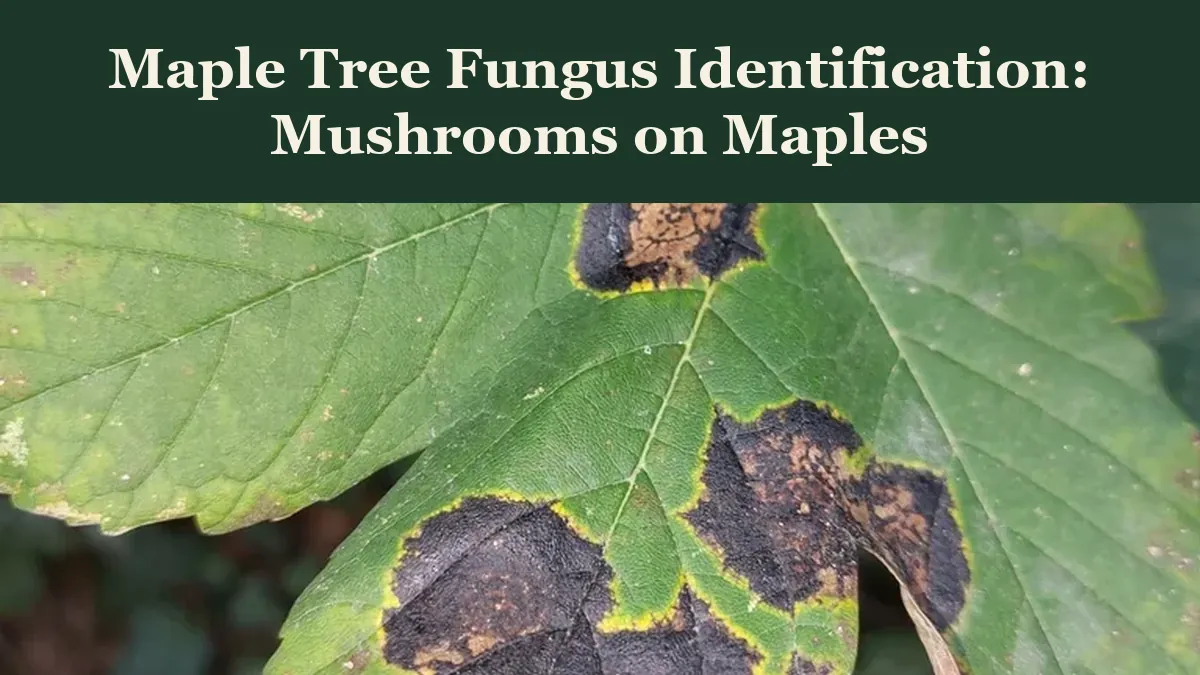
Most maple tree fungus is either a leaf spot that looks alarming but rarely hurts the tree, or a decay fungus fruiting from wood that is already rotting...
 Guide
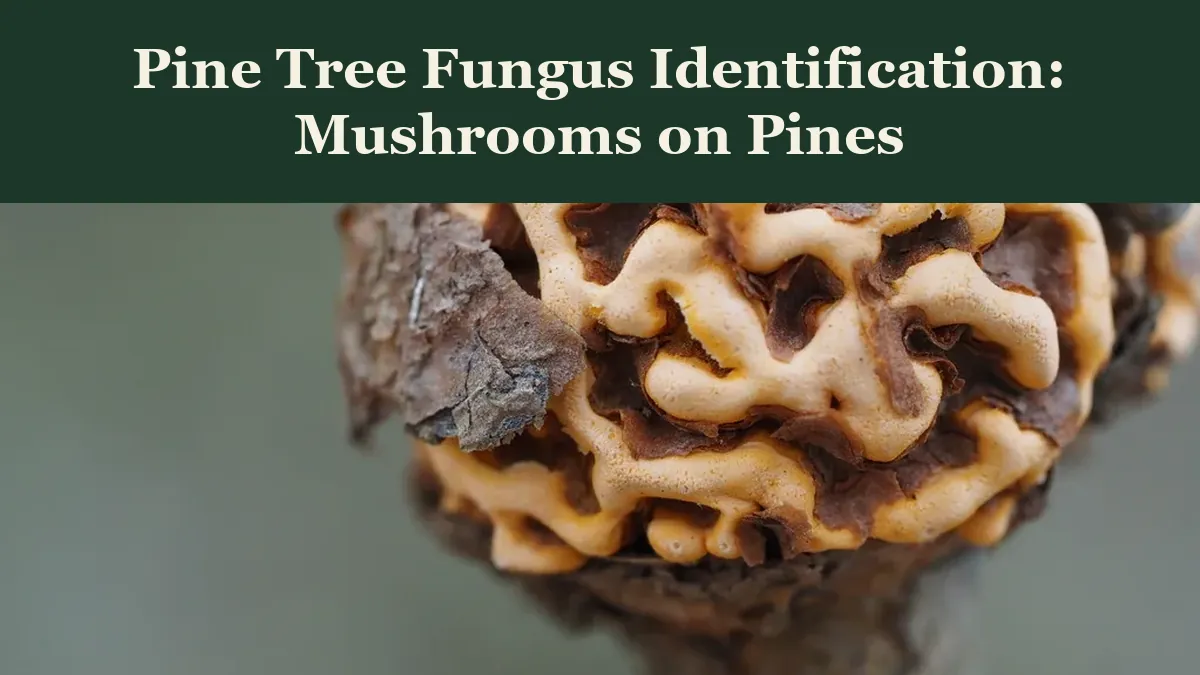
Pine tree fungus identification starts with color and place: orange powder on a woody gall is a rust, brown dead shoot tips are a blight, a conk at the base...
 Guide
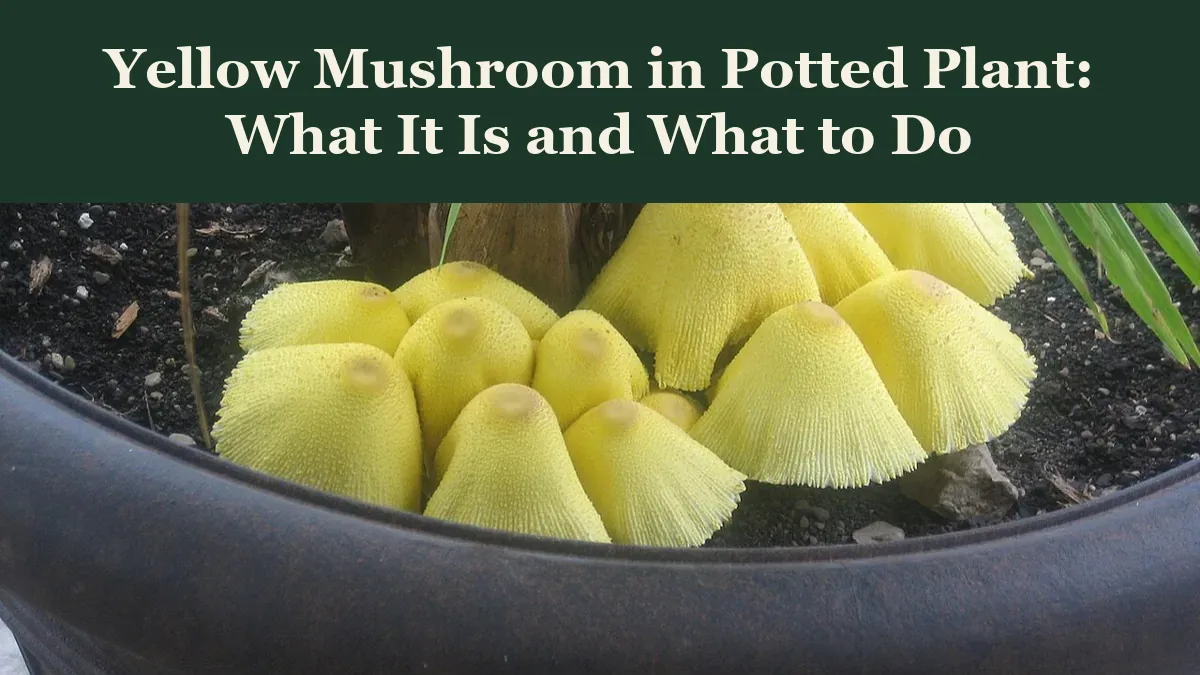
A yellow mushroom in a potted plant is almost always the flowerpot parasol, Leucocoprinus birnbaumii , a lemon-yellow mushroom that feeds on dead organic...