5 Best Shiitake Mushroom Grow Kits (November 2026)
— views
The best shiitake mushroom grow kits include the North Spore Organic Shiitake Mushroom Growing Kit, 100 Log Plugs for a complete starter, the North Spore Shiitake Mushroom Spawn Plugs, 100 ct for growers who own a drill bit, and the North Spore Shiitake Mushroom Spawn Plugs, 500 ct for many logs.
The best shiitake mushroom grow kit for most people is the North Spore Organic Shiitake Mushroom Growing Kit, 100 Log Plugs, which includes a drill bit according to the listing. You supply the logs. The Amazon shiitake options on this page are outdoor log kits and plug spawn, not countertop blocks.
First harvests take many months. UF/IFAS Gardening Solutions says mushrooms should appear in 6 to 18 months. Mississippi State Extension gives a 9 to 18 month wait before the first soak.
Choose by how many logs you can get. At about 40 holes per log, 100 plugs cover 2 to 3 logs. If you want mushrooms this month, start with an oyster mushroom grow kit instead. Our mushroom grow kit comparison covers the other formats.
How We Chose Shiitake Mushroom Grow Kits
We compared current Amazon listings against university extension guidance and did not test these products. Each product then received a score out of 10, based on three weighted factors.
- Beginner ease, 40%: how much a first-time grower must supply and learn, per extension guidance.
- Review depth, 30%: how many buyers have reviewed the listing.
- Listing clarity, 30%: whether the listing states what you get and what to expect.
A score compares listings. It is not a lab result or a yield guarantee. Product facts come from each listing, so treat them as the seller's claims. Growing facts come from the university sources linked on this page.
| Product | Best for | Type | Our score |
|---|---|---|---|
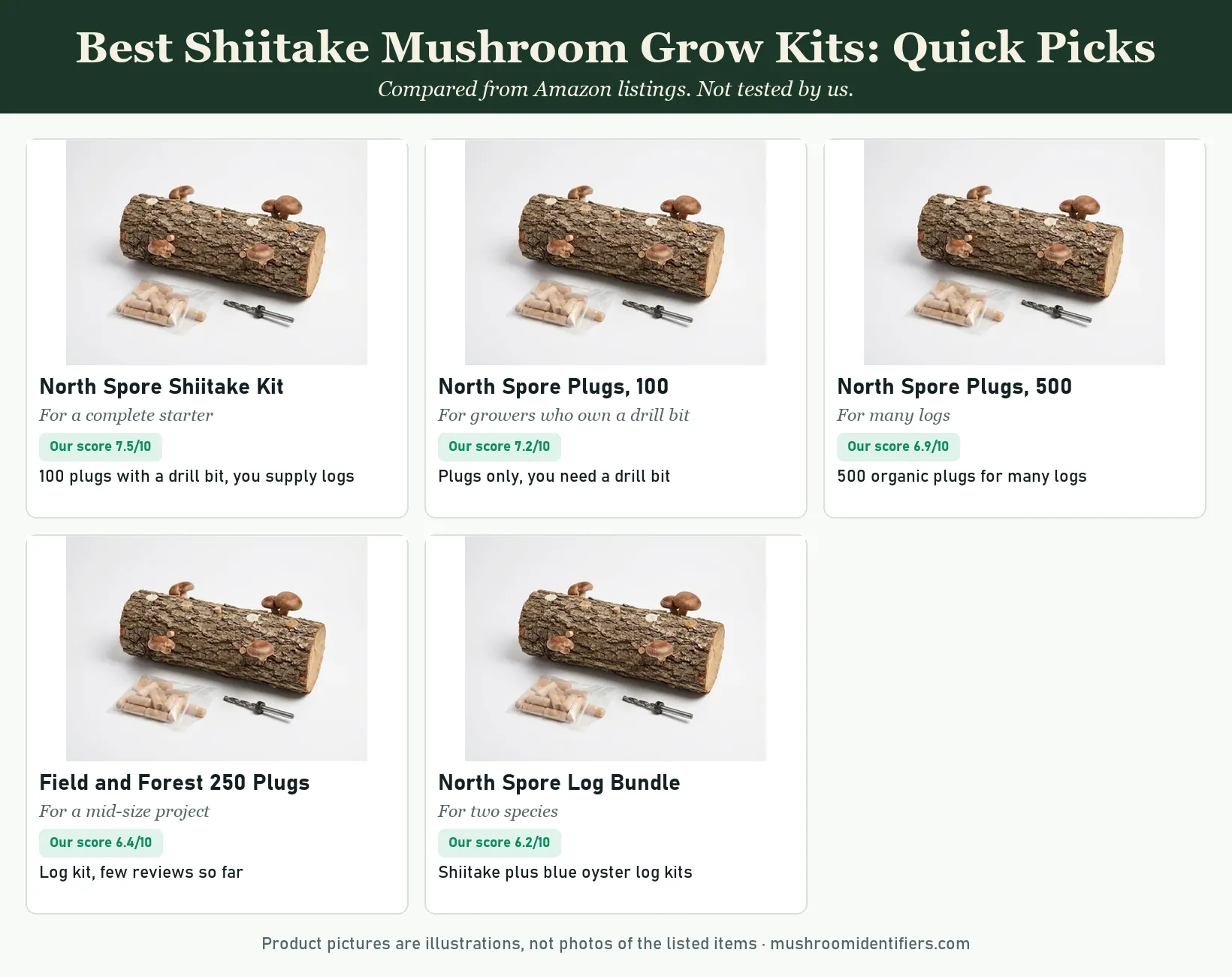
| North Spore Organic Shiitake Mushroom Growing Kit, 100 Log Plugs | A complete starter | Log plug kit | 7.5/10 |
| North Spore Shiitake Mushroom Spawn Plugs, 100 ct | Growers who own a drill bit | Plug spawn | 7.2/10 |
| North Spore Shiitake Mushroom Spawn Plugs, 500 ct | Many logs | Plug spawn | 6.9/10 |
| Field and Forest Products Shiitake Mushroom Log Kit, 250 Plugs | A mid-size project | Log plug kit | 6.4/10 |
| North Spore Organic Shiitake and Blue Oyster Log Growing Kit Bundle | Two species | Log kit bundle | 6.2/10 |
The Best Shiitake Mushroom Grow Kits for Different Needs
Every option below is spawn for outdoor logs, so make sure you can get fresh hardwood logs before you buy. Spawn is living fungus grown on a carrier, and a plug is a small dowel that holds it.
North Spore Organic Shiitake Mushroom Growing Kit, 100 Log Plugs: Best for a complete starter
Our score: 7.5/10
- A starter kit for logs, with 100 log plugs.
- Includes a drill bit, according to the listing.
- USDA organic, according to the listing.
- You supply the logs.
This kit suits a first-time grower who does not own a plug-sized bit. It is a project, not a quick kit. You drill each log, tap in the plugs, seal the holes and then wait through the seasons.
Pros
- The drill bit is included, according to the listing.
- Oregon State says dowel spawn needs no special tools and tolerates low moisture better than sawdust spawn.
- Two or three logs make a small first trial.
Cons
- The first mushrooms take many months.
- You must find freshly cut hardwood logs yourself.
- The listing facts used here do not name a strain or mention wax, so check both before buying.
Line up your logs before you order, because sources want them inoculated soon after cutting. Cornell's shiitake guide recommends a wide-range strain for a first try, so look for the strain on the listing.
The methods on this page also use a drill, a hammer and food-grade wax. The listing facts used here name only the drill bit, so check what else comes in the box.
North Spore Shiitake Mushroom Spawn Plugs, 100 ct: Best for growers who own a drill bit
Our score: 7.2/10
- 100 plugs, with plugs only in the pack.
- USDA organic, according to the listing.
- Suits first-time growers, according to the listing.
- Gives years of harvests from one log, according to the listing.
This pack suits a grower who already has the right bit and a drill. It has the same plug count as the kit above, so it covers the same 2 to 3 logs. A small first batch is a sensible way to learn the steps.
Pros
- You do not buy a second bit if you already own one.
- Extension sources agree that a log fruits for years, which fits the listing claim.
- The listing says the plugs suit first-time growers.
Cons
- You must own or buy the right bit.
- The listing facts used here do not name a strain or mention wax.
- "Years of harvests" depends on the wood and on keeping logs moist.
Oregon State Extension uses a 5/16-inch bit for dowel plugs. Check the size on the listing before you rely on a bit you own.
The wood changes the result. Growers quoted in Cornell's guide expect about 8 flushes from red oak and only 4 or 5 from red maple. A flush is one round of mushrooms.
North Spore Shiitake Mushroom Spawn Plugs, 500 ct: Best for many logs
Our score: 6.9/10
- 500 plugs.
- USDA organic, according to the listing.
- Spawn for shiitake mushrooms.
- The listing facts used here name no drill bit.
This pack suits someone with a woodlot, a large tree coming down or a group sharing the work. At about 40 holes per log, 500 plugs cover about 12 logs. That is too much for a first test unless you have help.
Pros
- It covers about 12 logs at about 40 holes each.
- Cornell's guide describes forcing groups of logs in turn, and more logs make that possible.
Cons
- Twelve fresh logs is a large job to finish soon after cutting.
- Each forced fruiting means soaking logs for 12 to 24 hours, so you need a tub that fits them.
- The listing facts used here name no bit, wax or strain.
The University of Kentucky estimates about five minutes per log for drilling and inoculating on a farm. Twelve logs take about an hour at that pace. A first-timer will be slower.
Field and Forest Products Shiitake Mushroom Log Kit, 250 Plugs: Best for a mid-size project
Our score: 6.4/10
- 250 plugs, according to the listing title.
- Sold as a shiitake mushroom log kit.
- Few or no reviews so far.
This kit suits a grower who has about 6 logs, which sits between the two North Spore pack sizes. It suits a careful buyer who will read the listing, because the facts used here are thin.
Pros
- It covers about 6 logs at about 40 holes each.
- The size sits between the 100 and 500 counts.
Cons
- Few or no reviews so far.
- The listing facts used here give only the plug count, so check for a strain, a bit and wax.
Six logs give you room to compare woods. Try two kinds if you can get them, and label each log with the wood and the date.
North Spore Organic Shiitake and Blue Oyster Log Growing Kit Bundle: Best for two species
Our score: 6.2/10
- A bundle of two log kits.
- Grows shiitake and blue oyster mushrooms.
- USDA organic, according to the listing.
- Few or no reviews so far.
This bundle suits a grower who wants two mushrooms from one log project. It asks for more planning, because the best wood for one species may not be the best for the other.
Pros
- One purchase covers two species.
- A second species gives you something to compare on the same site.
Cons
- Few or no reviews so far.
- The listing facts used here give no plug count.
- One load of logs may not suit both species.
Cornell's guide does not recommend aspen or other soft hardwoods for shiitake. It says those woods might suit other mushrooms, such as oysters. Keep the two species on separate, labeled logs. Our oyster mushroom identification guide explains what a true oyster looks like.
Which Logs to Use
Use freshly cut logs from healthy hardwood trees, about 4 to 6 inches across, with the bark intact. Old yard logs and firewood will not work. Cornell's guide says that wood has already been contaminated by local fungi or has dried out.
| Source | Diameter | Length | Woods named first |
|---|---|---|---|
| Cornell | 4 to 6 inches | 3 to 4 feet | Red and white oak, sugar maple |
| Mississippi State | 4 to 6 inches is easiest. 4 to 8 inches is the full range | 2 to 3 feet is easiest | Oak, sweetgum, beech, hophornbeam, hornbeam, persimmon |
| Oregon State | 2.5 to 7 inches | 12 inches or longer | Sugar maple, white oak |
Cornell Small Farms ranks the woods. Oak and sugar maple rate excellent. Ironwood, musclewood and American beech rate very good. Birch, bitternut hickory and red maple rate good. White ash, elm, aspen, evergreens and fruit woods are not suitable.
The lists differ by region and by source. Mississippi State includes persimmon, while Cornell's guide advises against fruit trees such as apple and cherry. Oregon State says to avoid decay-resistant wood such as walnut, while Cornell says walnut needs more research. Your county extension office can advise on local trees.
When to Cut
Cut logs while the tree is dormant. Mississippi State cuts from November to March. UF/IFAS says December to early February. Cornell says early spring before leaf-out is the most common choice, and that winter also works.
Cornell warns that thin-barked beech and red maple can lose bark if cut late in spring. Keep bark on the log, because damaged bark gives other fungi a way in.
How Soon to Inoculate
Sources conflict on the deadline. Oregon State says within 15 to 30 days of cutting. A Cornell Cooperative Extension Master Gardener article rests logs for about 2 weeks and finishes within 2 months. Cornell Small Farms says as early as possible, and adds that winter-cut logs can be stored for several months out of sun and wind.
The shorter window is the safer plan. Oregon State says shiitake does not compete well with other fungi.
How to Inoculate a Log
Drill staggered holes, tap in the plugs, seal each hole with wax and stack the log in shade. The steps below combine Mississippi State, Oregon State and Cornell.
- Drill the holes. Oregon State uses a 5/16-inch bit and holes 1 inch deep. Mississippi State goes 1 to 1.5 inches deep.
- Space them. Mississippi State spaces holes 6 inches apart along the log, in rows 2 inches apart, staggered in a diamond pattern. That gives about 40 holes. Cornell's guide plans for at least 30 to 40.
- Add the plugs. Hammer each plug in until it is flush with the bark.
- Seal with wax. Cover each hole with food-grade wax, such as cheese wax or paraffin. Wax holds moisture in and keeps pests out.
- Skip the ends. Mississippi State says not to wax the cut ends. An experiment at Cornell found no production difference between waxed and unwaxed ends.
- Stack in shade. Cornell wants 75 to 100 percent shade all year. Mississippi State says 60 percent. Cornell says the north side of a building can work for a small setup. Keep logs off bare dirt.
- Keep logs moist. Oregon State says to water a log if no rain has fallen for about 5 days. Cornell says moisture should not drop below 30 percent. UF/IFAS warns that a log rots if it stays too wet.
Treat hot wax with care. Cornell's guide warns that heated wax can be highly flammable. Never leave it unattended, and melt it away from where small children play.
How Long Until the First Shiitake
Plan on about a year, and up to 18 months. The wait is the spawn run, when the fungus colonizes the wood. Sources differ, so plan for the longer figure.
| Source | Wait before fruiting |
|---|---|
| UF/IFAS | 6 to 18 months |
| Oregon State | 6 to 18 months |
| University of Kentucky | 6 to 18 months of incubation |
| Cornell guide | 8 to 18 months, with about one year as the general figure |
| Mississippi State | 9 to 18 months |
| Cornell Master Gardener article | 12 months, with fruiting the following spring |
Log size matters. A grower quoted in Cornell's guide says larger logs may take 18 to 24 months. Cornell Small Farms says very early inoculation can give a late-summer flush the same year in favorable conditions. Do not plan on that.
How to Tell a Log Is Ready
White mycelium at the cut ends is the usual sign. Mississippi State soaks a log once the ends look whitish. Cornell's guide adds that some logs are ready without visible mycelium.
How Forcing Works
A ready log fruits on its own, but unpredictably. Soaking it makes fruiting more predictable. Mississippi State and Cornell soak logs in cold water for 12 to 24 hours. The wait after a soak varies by source. Mississippi State says about 10 days, the Master Gardener article says about 5 days and Oregon State says 2 to 4 days.
Strain changes this. Cornell's guide says cold-weather strains will not reliably fruit after being forced. Oregon State uses cold water for a warm-weather strain and warm water for a cold-weather strain.
Harvest and Cook
Mississippi State picks shiitake when the cap is about 75 percent open, with the rim still curled under. It says the stem is too woody to eat. It stores fresh mushrooms in a paper bag in the refrigerator for up to one week. For a bigger harvest, see our guide on how to dry mushrooms.
Cook shiitake before you eat it. Mississippi State says so, and Illinois Extension does not recommend eating specialty mushrooms raw. A 2011 report in Dermatology Reports describes a skin rash after eating raw or undercooked shiitake.
How Long a Log Keeps Producing
A well-kept log usually fruits for about 3 to 5 years, though sources range from 2 to 7 years. The table shows each figure.
| Source | Productive life |
|---|---|
| Mississippi State | 2 to 3 years, depending on starting log size |
| Cornell guide | 3 to 4 years, fruiting twice a year |
| Cornell Master Gardener article | 3 to 4 years |
| UF/IFAS | 3 to 5 years |
| Oregon State | 5 to 7 years |
Rest matters too. Sources give different gaps between soaks: 7 weeks in the Master Gardener article, 8 to 10 weeks at Mississippi State, 10 to 12 weeks at Oregon State and 2 to 4 months at UF/IFAS. Mississippi State says the second and third flushes are the most productive.
Keep expectations modest. Cornell's guide gives upwards of 8 ounces per flush from a log, which is a farm figure. We found no extension yield figure for any kit on this page.
Watch for Other Fungi
A log sits in the open, so other fungi will try it. Mississippi State says log contamination is common and that colorful fungi may grow on a log. It says not to treat them like shiitake. Kentucky names Trichoderma, Hypoxylon and Polyporus versicolor as competitors. That last name is an older name for turkey tail.
Kentucky says logs with blue-green Trichoderma are toxic and must be removed and destroyed. Oak logs can also host wild oak fungi, which our oak tree fungus guide covers.
The worst case is a small brown mushroom. The Burke Herbarium says deadly galerina grows on stumps and logs of conifers and hardwoods. It says the mushroom carries the same toxins as the death cap. Only pick what you are sure is shiitake.
Which Shiitake Mushroom Grow Kit Should You Choose?
Choose by the number of logs you can get and the tools you already own.
- If you want a first project and own no bit, choose the North Spore Organic Shiitake Mushroom Growing Kit, 100 Log Plugs.
- If you already own the right bit, choose the North Spore Shiitake Mushroom Spawn Plugs, 100 ct.
- If you have about 12 logs and help, choose the North Spore Shiitake Mushroom Spawn Plugs, 500 ct.
- If you have about 6 logs, consider the Field and Forest Products Shiitake Mushroom Log Kit, 250 Plugs.
- If you want two species, consider the North Spore Organic Shiitake and Blue Oyster Log Growing Kit Bundle.
- If you have no shade or logs, choose an indoor oyster kit instead.
Our Top 3 Picks at a Glance
Frequently Asked Questions
How long does a shiitake mushroom grow kit take?
A log kit takes many months. UF/IFAS and Oregon State say 6 to 18 months, and Mississippi State says 9 to 18 months. Plan for about a year or longer.
Can you grow these shiitake kits indoors?
No. The Amazon options on this page are outdoor log kits and plug spawn, not countertop blocks. Logs need shade, moisture and space to soak.
What logs are best for shiitake?
Cornell rates oak and sugar maple as excellent. Mississippi State also lists sweetgum, beech, hophornbeam, hornbeam and persimmon. Use freshly cut logs from healthy trees.
How many logs do 100 shiitake plugs cover?
About 2 to 3 logs. Mississippi State uses about 40 holes per log, and Cornell's guide plans for at least 30 to 40. Bigger logs need more holes.
Do you need wax for shiitake plugs?
The extension guides we opened all seal the holes with wax. Wax holds moisture in and keeps pests out. Food-grade cheese wax or paraffin are common choices.
Can you use old logs or firewood?
No. Cornell's guide says you cannot grow shiitake on dead wood such as old yard logs or firewood. Local fungi have usually contaminated it, or it has dried out.
How long do shiitake logs last?
Sources give 2 to 7 years. Most figures fall between 3 and 5 years. Log size, wood species and moisture all affect the result.
How do you make a shiitake log fruit?
Soak a ready log in cold water for 12 to 24 hours. Mushrooms follow within about 2 to 10 days, depending on the source. Cold-weather strains do not reliably respond to soaking.
Is a shiitake log kit good for beginners?
Utah State lists shiitake as a beginner species. A log is still a long project with real physical work. A first-time grower who wants a quick result should start with an oyster kit.
Final Safety Reminder
A log is open to the air, so never assume that everything growing on it is shiitake. Only eat what you are certain you planted, and cook it thoroughly. Keep children and pets away from unknown mushrooms. If something unexpected appears, check it with our free mushroom identifier and a local expert. Our guides on how to identify a mushroom you found and poisonous vs edible mushrooms explain what to look at. Expert confirmation is needed before anyone eats a wild mushroom.
About this guide: we compared current Amazon listings with university extension guidance and did not test these products. As an Amazon Associate, Mushroom Identifiers earns from qualifying purchases at no extra cost to you. Prices and availability are shown on Amazon.
Sign in to leave a comment and join the discussion.
 Guide
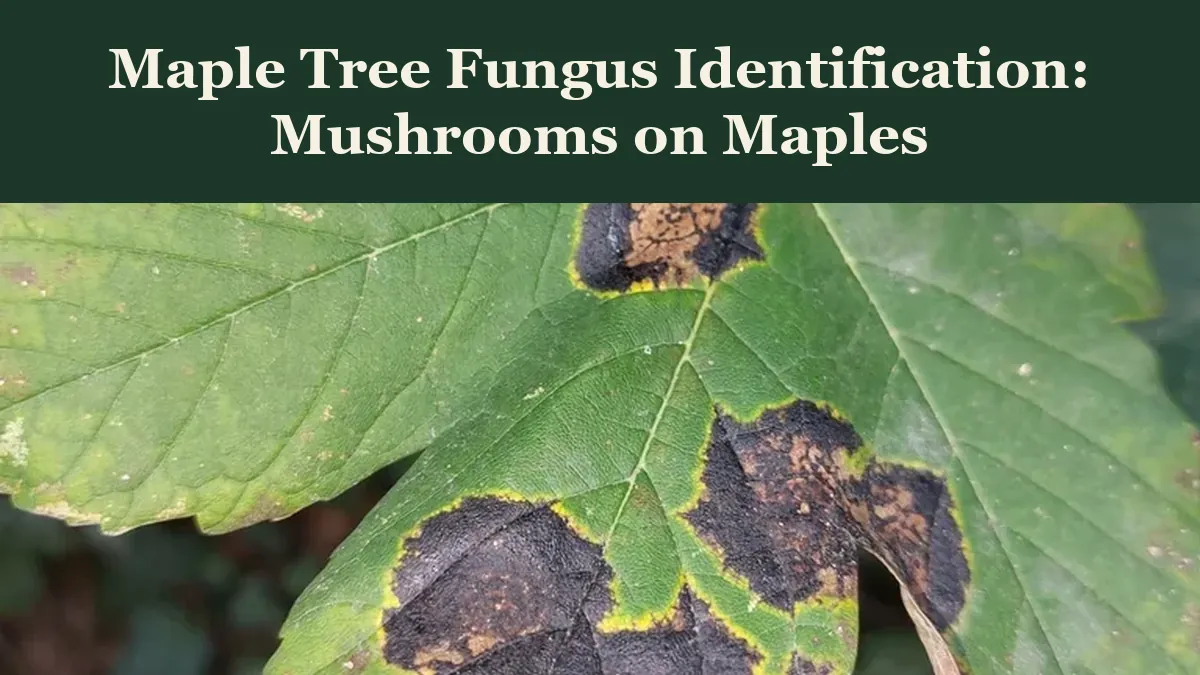
Most maple tree fungus is either a leaf spot that looks alarming but rarely hurts the tree, or a decay fungus fruiting from wood that is already rotting...
 Guide
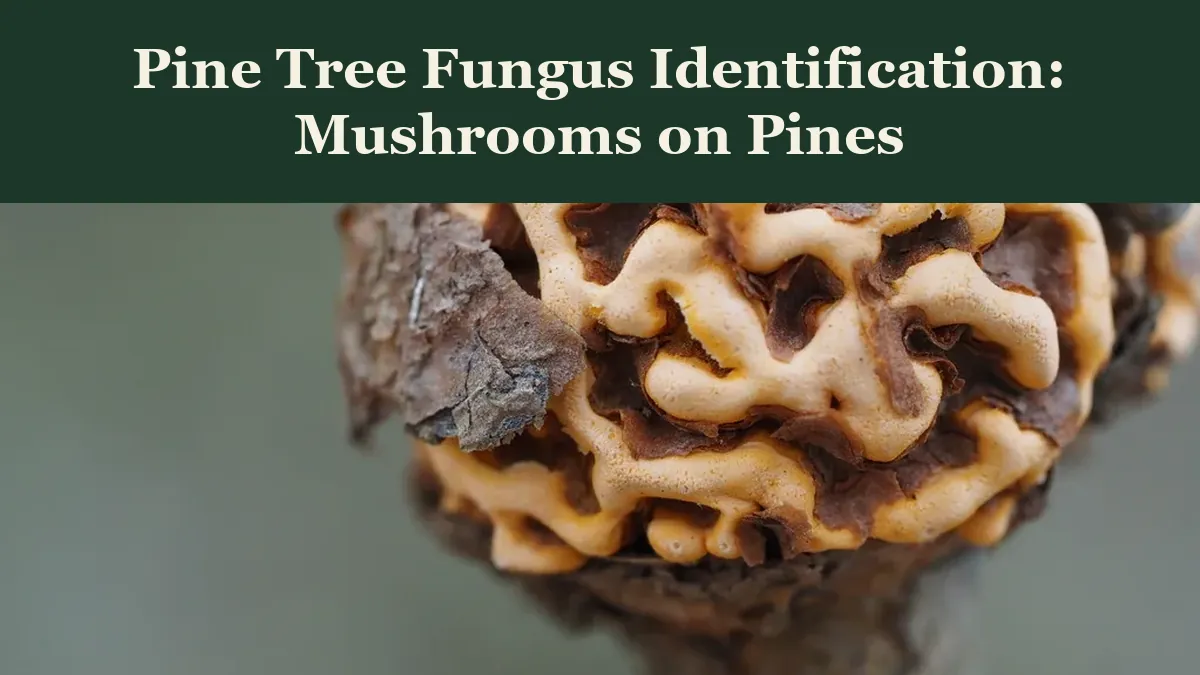
Pine tree fungus identification starts with color and place: orange powder on a woody gall is a rust, brown dead shoot tips are a blight, a conk at the base...
 Guide
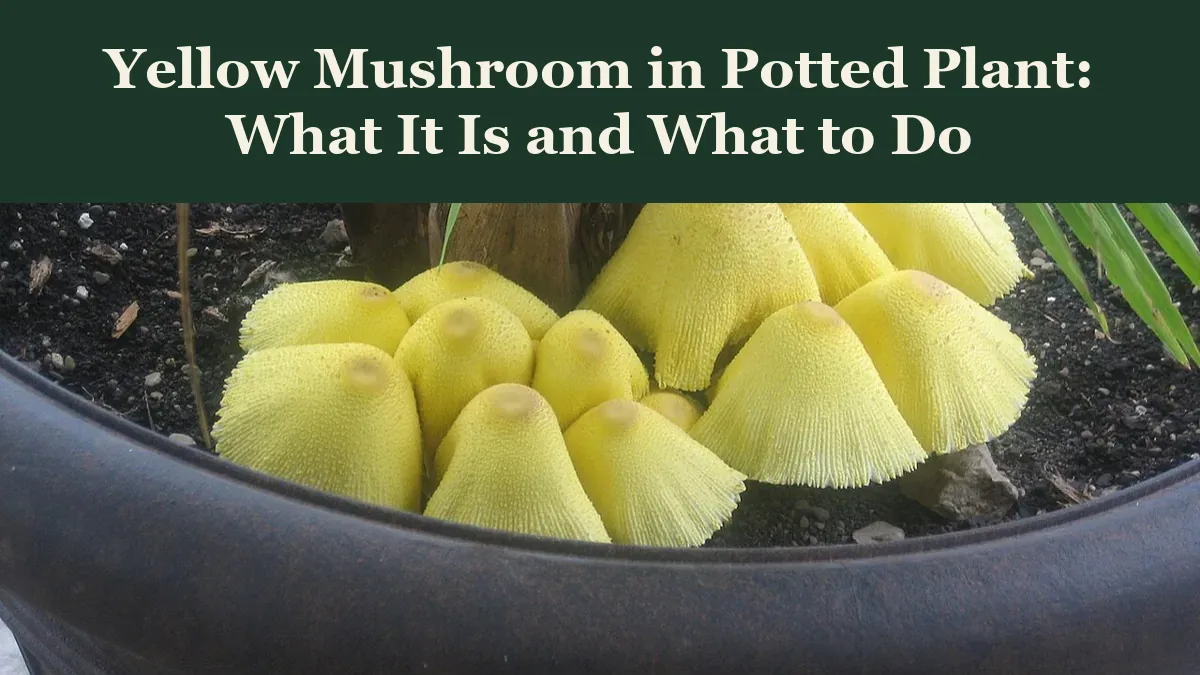
A yellow mushroom in a potted plant is almost always the flowerpot parasol, Leucocoprinus birnbaumii , a lemon-yellow mushroom that feeds on dead organic...